
2026 Best Construction Equipment Parts Suppliers?
Choosing the best construction equipment parts suppliers in 2026 requires more than comparing catalog prices. A low-cost hydraulic filter may look attractive online, yet a poor seal can leave an excavator idle beside a muddy jobsite. Availability, fitment accuracy, material quality, warranty terms, and technical support deserve equal attention. So does evidence.
Chris Sleight, a respected construction equipment industry analyst, offers a practical reminder: “A part’s value is measured by uptime, not shelf price.” That principle guides this review. The strongest suppliers should show clear compatibility data, dependable delivery, traceable manufacturing, and responsive after-sales service. Their catalogs should cover excavators, loaders, bulldozers, cranes, engines, undercarriages, and hydraulic systems. They should also explain whether each component is OEM, licensed, remanufactured, or aftermarket.
No supplier wins every category. Some provide excellent filters but limited electronic components. Others offer fast global shipping but weaker technical documentation. That matters.
This guide compares suppliers through a contractor’s eyes. We consider real maintenance pressure, not polished marketing alone. We examine delivery promises, return policies, product testing, and customer feedback from demanding worksites. Still, every ranking has limits. Product quality can vary between factories, regions, and production batches. Buyers should verify serial numbers, operating conditions, and warranty coverage before ordering.
The right supplier should reduce uncertainty. More importantly, it should protect machine uptime when the schedule cannot wait.
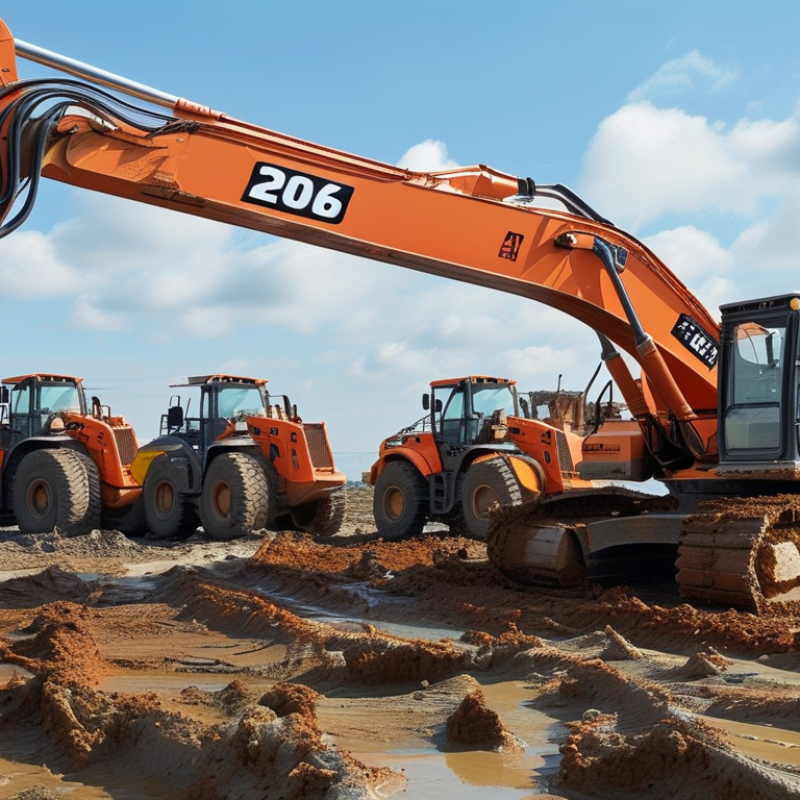
What Construction Equipment Parts Suppliers Do in 2026
In 2026, construction equipment parts suppliers do more than store components. They help contractors identify the correct part, verify compatibility, and reduce machine downtime. A reliable supplier checks model numbers, production years, and component specifications before shipping. Some teams also review equipment photos and serial information with customers. Small details matter.
Modern suppliers manage digital inventories with live stock updates and shipment tracking. They may provide inspection reports for hydraulic pumps, engine components, electrical units, and undercarriage parts. Quality control should include visual checks, measurements, pressure testing, and documented results. It sounds simple. It is not always consistent.
Experienced suppliers also support repair planning. They can suggest suitable replacement options without hiding differences in service life or price. Remanufactured parts may reduce costs, but their testing history must be clear. New parts still require careful fitment checks. Catalog data can be incomplete or outdated, especially for older machines. That is where honest communication becomes important. A dependable supplier admits uncertainty and asks for more evidence instead of guessing. Contractors should receive clear warranty terms, realistic delivery dates, and practical installation guidance. Fast answers are useful, but accurate answers protect the job.
2026 Best Construction Equipment Parts Suppliers? – What Construction Equipment Parts Suppliers Do in 2026
| Supplier Activity | Typical Parts or Service | Primary Equipment Covered | 2026 Customer Value | Common Quality or Compatibility Check |
|---|---|---|---|---|
| Engine and fuel-system supply | Filters, injectors, fuel pumps, gaskets, belts, hoses and cooling components | Excavators, loaders, graders, generators and site dumpers | Supports reliable starting, fuel efficiency and reduced unplanned downtime | Engine model, part number, dimensions, pressure rating and emissions-system compatibility |
| Hydraulic component distribution | Hydraulic pumps, motors, valves, cylinders, seals, hoses and fittings | Excavators, backhoe loaders, telehandlers and material handlers | Helps maintain lifting force, digging performance and attachment control | Flow rate, operating pressure, port size, seal material and hydraulic-fluid specification |
| Undercarriage and wear-part supply | Track chains, rollers, idlers, sprockets, track shoes, bucket teeth and cutting edges | Crawler excavators, bulldozers, compact track loaders and trenchers | Improves ground contact, digging productivity and component service life | Track pitch, link count, shoe width, bolt pattern, tooth profile and material hardness |
| Electrical and electronic parts | Alternators, starters, batteries, sensors, relays, wiring harnesses and control modules | Construction machinery with diesel, hybrid or electronically controlled systems | Supports diagnostics, machine monitoring, safe operation and reduced electrical failures | Voltage, connector type, communication protocol, calibration requirement and fault-code compatibility |
| Transmission and drivetrain support | Clutches, torque-converter components, axles, differential parts, drive shafts and seals | Wheel loaders, articulated haulers, tractors and compact utility equipment | Maintains traction, power transfer and machine mobility on demanding sites | Transmission code, gear configuration, spline dimensions, torque rating and lubricant requirement |
| Cab, safety and operator components | Seats, windows, mirrors, wiper systems, warning lights, switches and restraint components | Cabs for excavators, loaders, cranes, rollers and aerial work equipment | Improves operator visibility, comfort and compliance with site-safety practices | Mounting dimensions, load rating, visibility requirements, electrical connection and safety certification |
| Attachment and tool supply | Buckets, breakers, augers, grapples, compactors, quick couplers and attachment wear kits | Excavators, skid-steer loaders, backhoe loaders and wheel loaders | Allows one base machine to perform multiple construction tasks | Machine weight, hydraulic flow, mounting interface, working width and approved operating pressure |
| Parts identification and technical support | Parts catalogs, exploded diagrams, cross-reference tools and installation guidance | Mixed fleets containing older, current and imported equipment | Reduces ordering errors and helps maintenance teams select compatible replacements | Serial-number range, machine configuration, revision level and documented interchangeability |
| Inventory and fulfillment management | Stock forecasting, regional warehousing, urgent dispatch and scheduled replenishment | Rental fleets, contractors, dealers and heavy-equipment maintenance operations | Improves parts availability and reduces equipment waiting time | Inventory status, order cut-off time, shipping location, delivery estimate and return policy |
| Remanufactured and repairable components | Rebuilt pumps, starters, alternators, control units, injectors and exchange components | Machines where repair cost, availability or sustainability is a major concern | Can lower lifecycle cost and reduce material waste when testing is properly documented | Core inspection, replacement scope, bench-test results, warranty terms and traceability records |
Related Posts
-
2026 Best Aftermarket Heavy Equipment Parts for Optimal Performance?
-
Top 10 Aftermarket Heavy Equipment Parts in China You Should Know?
-

How to Choose the Best Aftermarket Undercarriage Parts for Your Equipment?
-
Top 10 Heavy Construction Equipment Every Contractor Should Consider for 2023
-
Why Trackhoe Rental is Essential for Your Construction Project?
-
2026 Top Excavator Rental Services for Construction Projects?