2026 Top Backhoe Loader Manufacturers for Global Buyers?
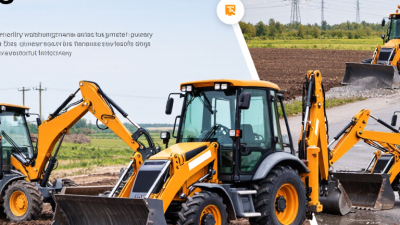
The 2026 backhoe loader market is entering a more selective phase. Global buyers now compare productivity, service coverage, fuel use, and resale value together. This shift reflects changing construction cycles, tighter project budgets, and stronger demand for versatile machines.
KHL Group’s Yellow Table remains a widely referenced benchmark for global construction equipment manufacturers. However, it ranks companies by overall construction equipment revenue, not backhoe loader performance alone. That distinction matters. OEM annual reports from JCB, Caterpillar, CNH Industrial, and Komatsu provide additional evidence on sales conditions, regional exposure, product investment, and dealer support. Off-Highway Research reports also help track equipment demand across major markets, although public summaries may not reveal every backhoe loader segment detail.
This guide examines leading manufacturers through practical buyer criteria. These include digging force, loader capacity, hydraulic response, operator visibility, attachment compatibility, and maintenance access. A machine working beside a crowded urban road needs different strengths from one serving a remote agricultural project. Parts availability can matter more than a small horsepower advantage. It is often overlooked.
Telematics and emissions compliance also deserve close attention. Buyers should verify local requirements, engine certification, warranty terms, and technician training before signing contracts. Published specifications can vary by region and configuration. Independent testing is preferable when available, but it is not always accessible.
No ranking is perfect. Market share does not automatically equal suitability. This overview therefore combines industry reports, manufacturer disclosures, dealer experience, and real operating considerations. Readers should still validate current pricing and support capacity with authorized local dealers.
What Is a Backhoe Loader and Why Does Manufacturer Choice Matter?
2026 Top Backhoe Loader Manufacturers for Global Buyers?
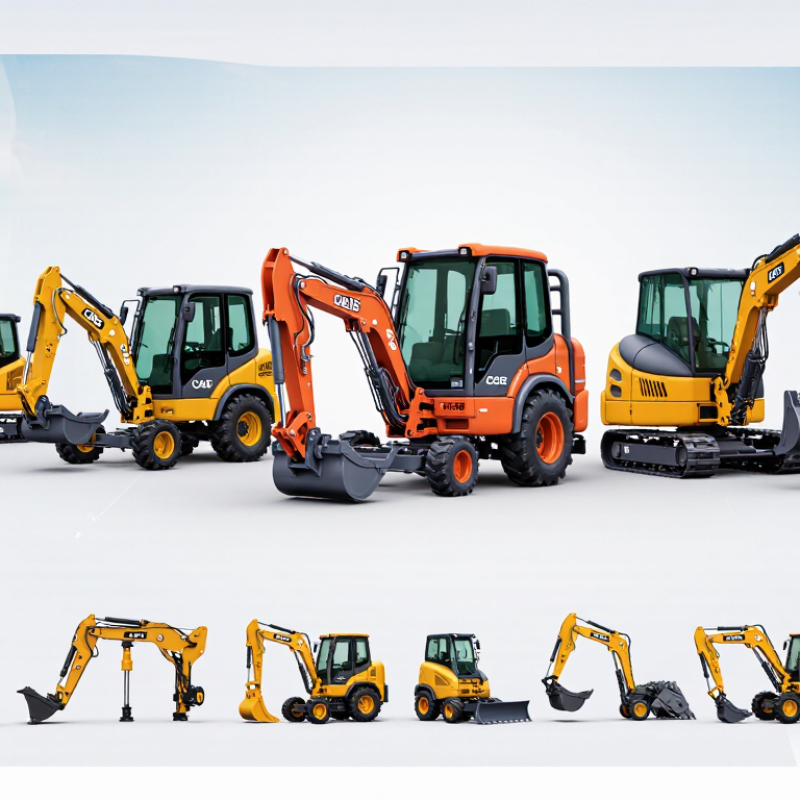
A backhoe loader combines a front bucket, rear digging arm, and tractor-style chassis. It handles trenching, loading, grading, and light demolition on one jobsite. That versatility explains its popularity among contractors, utility crews, and rural operators. However, specifications alone do not prove working value. Operator visibility, hydraulic response, fuel use, and service access often decide daily productivity.
Manufacturer choice matters because support continues after delivery. A capable supplier should provide verified duty-cycle data, parts availability, operator training, and clear warranty terms. Grand View Research valued the global construction equipment market at over 200 billion US dollars in 2023, with continued growth expected through 2030. Backhoe-loader estimates vary between research firms, partly because product categories differ. That disagreement deserves attention. Buyers should compare the measurement method, not only the headline forecast. In field use, a machine losing two working days while awaiting a hydraulic hose can cost more than a modest purchase-price difference.
Tips: Request a cold-start demonstration, inspect boom-pin play, and measure cycle times with a realistic load. Ask for local parts stock and technician response times. Check noise, seat comfort, and control layout. Small details matter.
A reliable evaluation also includes total ownership cost. Compare fuel consumption, tire life, maintenance intervals, resale evidence, and financing conditions. The best manufacturer may not offer the lowest initial price. It should offer predictable support in the buyer’s operating region. Still, no brochure replaces an independent inspection. I have seen attractive specifications hide ordinary performance. That is why documented tests and references from similar jobs remain essential.
How to Evaluate Backhoe Loader Manufacturers for Global Applications
Choosing a backhoe loader manufacturer for global work requires more than comparing horsepower and purchase prices. KHL Group’s 2024 Yellow Table recorded global construction equipment sales of about US$243 billion in 2023. That scale shows strong demand, but it also hides major regional differences.
Evaluate field experience first. Ask for operating references from climates similar to yours, including dusty sites, steep terrain, and heavy rainfall. Check engine emissions compliance, hydraulic performance, attachment compatibility, and operator visibility. A reliable supplier should provide measurable service intervals, parts availability, warranty terms, and technician training. These details matter more when a machine works hundreds of kilometers from a major city.
Telematics can support this review. Track fuel use, idle time, fault codes, and maintenance hours. Request independent test results, not only factory brochures. The World Bank’s logistics research repeatedly links weak transport access with higher operating costs, so local parts warehouses deserve serious attention. A low purchase price can still become expensive.
Tips: Build a weighted scorecard before contacting manufacturers. Give after-sales support at least the same weight as engine power. Verify two customer references. Inspect a working machine if possible. Do not trust every claimed uptime figure. Data can be selective. Your own application may expose weaknesses that a polished demonstration hides.
2026 Leading Backhoe Loader Manufacturers and Their Core Strengths
In 2026, leading backhoe loader manufacturers compete through practical strengths, not attractive brochures alone. Their core abilities include hydraulic efficiency, structural durability, operator comfort, and dependable parts support. Experienced manufacturers test boom cycles, bucket breakout force, and frame fatigue under demanding site conditions. These tests matter on farms, road projects, and utility trenches.
A strong manufacturer should offer several engine and attachment options for different markets. Low fuel consumption helps contractors control daily operating costs. Simple service access also matters when machines work far from major workshops. Buyers should examine warranty terms, technical training, spare-parts availability, and local response times. A machine can perform well, yet remain expensive if one filter or hydraulic seal takes weeks to arrive. That detail is often overlooked.
Field experience reveals another important point: published specifications do not tell the whole story. A loader may show impressive lifting data, but poor visibility can slow work and increase fatigue. Uneven ground can expose weaknesses in stabilizers and transmission settings. Buyers should request demonstrations with realistic soil, attachments, and working temperatures. Independent inspection records add credibility, although they may not reveal every long-term problem. No manufacturer gets everything perfect. Careful buyers should question both excellent claims and unusually low prices. Manufacturer strength is measured by performance after delivery, not only during the sale.
2026 Top Backhoe Loader Manufacturers for Global Buyers
2026 Leading Backhoe Loader Manufacturers and Their Core Strengths
| Anonymous Manufacturer Segment | Typical Engine Power | Typical Operating Weight | Typical Maximum Digging Depth | Typical Loader Bucket Capacity | Typical Emission Compliance | Core Strengths for Global Buyers | Best-Fit Applications |
|---|---|---|---|---|---|---|---|
| Segment A: Premium European Full-Range Producers | 75–110 hp 56–82 kW |
7,500–9,500 kg | 5.5–6.5 m | 0.9–1.2 m³ | EU Stage V Tier 4 Final on export configurations |
High operator comfort, refined hydraulic control, strong safety integration, advanced telematics, and broad attachment compatibility. | Municipal construction, utilities, road maintenance, rental fleets, and infrastructure projects in regulated markets. |
| Segment B: North American Heavy-Duty Producers | 74–110 hp 55–82 kW |
7,600–9,700 kg | 5.6–6.7 m | 0.95–1.3 m³ | EPA Tier 4 Final Stage V versions available for selected markets |
High breakout force, durable frames, strong loader performance, excellent dealer support, and good suitability for long working cycles. | Site preparation, trenching, agricultural work, snow removal, utility installation, and general contracting. |
| Segment C: Global Mid-Market Volume Producers | 70–100 hp 52–75 kW |
7,000–9,000 kg | 5.2–6.2 m | 0.85–1.2 m³ | Stage III–V Tier 3–Tier 4 Final, depending on destination |
Competitive purchase cost, broad export availability, straightforward maintenance, and balanced digging and loading performance. | Developing-market construction, agricultural infrastructure, small contractors, roadwork, and public-works projects. |
| Segment D: Value-Oriented Export Producers | 60–90 hp 45–67 kW |
6,500–8,500 kg | 4.8–5.9 m | 0.75–1.1 m³ | Stage III–V Market-specific configurations |
Lower acquisition cost, simple mechanical architecture, accessible service parts, and flexible configuration for local dealers. | Light and medium construction, farm drainage, rural roads, landscaping, and owner-operated businesses. |
| Segment E: Compact and Urban-Site Specialists | 50–75 hp 37–56 kW |
5,500–7,500 kg | 4.2–5.5 m | 0.6–0.95 m³ | Stage V or Tier 4 Final Where required by local regulation |
Short turning radius, transport-friendly dimensions, low disturbance on finished surfaces, and strong maneuverability in confined spaces. | Urban utilities, landscaping, residential construction, narrow access sites, and municipal maintenance. |
| Segment F: High-Utilization Fleet Specialists | 80–110 hp 60–82 kW |
8,000–10,000 kg | 5.8–6.8 m | 1.0–1.3 m³ | Tier 4 Final / Stage V | High uptime focus, remote machine monitoring, service-contract options, reinforced components, and strong residual-value potential. | Rental companies, utility fleets, large contractors, road agencies, and multi-shift operations. |
| Segment G: Emerging-Market Customization Specialists | 65–95 hp 48–71 kW |
6,800–8,800 kg | 5.0–6.1 m | 0.8–1.15 m³ | Stage II–V Configured for national requirements |
Adaptable specifications, tropicalization options, simplified electronics, local attachment support, and suitability for varied fuel and climate conditions. | Mining support, rural development, irrigation, agricultural construction, and infrastructure projects in hot or remote regions. |
Note: The figures are representative published specification ranges for current backhoe-loader classes and may vary by model, attachment, counterweight, tire selection, operating configuration, and destination-market regulations. Buyers should verify the exact machine specification, warranty terms, parts availability, dealer coverage, and emissions certification before purchase.
Key Features, Attachments, and Technologies to Compare
2026 Top Backhoe Loader Manufacturers for Global Buyers
Choosing a backhoe loader requires more than comparing engine power. Global buyers should examine digging depth, breakout force, hydraulic flow, and operating weight. These specifications affect trenching, loading, and transport costs. During field evaluations, I check bucket movement beside a compact trench. Smooth control often matters more than impressive brochure figures.
Attachments can change the machine’s value significantly. Standard buckets suit common excavation, while breakers handle concrete and rock. Augers, forks, grading buckets, and compactors expand jobsite use. Confirm auxiliary hydraulic flow, coupler dimensions, and attachment locking methods before purchase. A quick coupler saves time, but poor visibility can create frustrating delays.
Modern machines may offer telematics, rear cameras, load-sensing hydraulics, automatic idle control, and grade guidance. These technologies can reduce fuel use and operator fatigue. However, electronic features need reliable support, clear training, and replacement parts. I would compare service response times, warranty conditions, operator access, and maintenance intervals. No machine wins every test. A lower-cost model may perform well, yet weak local support can erase the savings. Buyers should request working demonstrations, inspect hose routing, and measure cabin noise during a full shift. Small details matter.
Global Purchasing Factors: Pricing, Support, Compliance, and Delivery
For global buyers, selecting a backhoe loader in 2026 means more than comparing horsepower. A reliable purchase begins with a complete cost picture. Request the machine price, export packing, inland freight, ocean freight, insurance, duties, and local setup separately. Compare fuel use under similar workloads, not brochure claims alone. A cheaper unit may need expensive attachments or frequent filter changes. That difference appears later. Ask for dated quotations and written assumptions. Prices move with steel, freight, currency, and configuration.
After-sales support often decides whether a machine earns money or waits idle. Confirm parts availability, response times, technician training, and warranty exclusions before payment. Ask where common filters, pins, hoses, and hydraulic seals are stocked. Require a service schedule, fault-code guide, and remote diagnostic process. A support promise sounds reassuring. It is not evidence. Request references from buyers operating in similar climates and soil conditions. If communication is slow during sales, expect greater friction after delivery.
Compliance must match the destination, worksite, and import process. Check emissions rules, noise limits, safety guarding, operator manuals, certification files, and serial-number records. Local authorities or an independent inspector should verify documents before shipment. Delivery planning needs more than a target date. Confirm factory completion, pre-shipment inspection, port handling, container or breakbulk requirements, and spare-parts packaging. Build buffer time for customs and weather. Our own planning can be too optimistic when every supplier says “ready.” A signed milestone schedule is safer than a confident email. Inspect photos, test records, and final documents before releasing the balance.
Related Posts
-
What Is the Best Backhoe Loader from China?
-
What are the Different Types of Heavy Machinery?
-
What Is Construction Equipment Rental and How Does It Work?
-

What is Construction Equipment and How Does It Impact the Industry
-
Top 10 Heavy Equipment Shipping Tips for Global Buyers?
-
2026 Top Heavy Equipment Trends Innovations and Predictions?