How to Find the Best Earth Moving Equipment Rental for Your Project
In the construction and excavation industries, the importance of selecting the right earth moving equipment rental cannot be overstated. According to John Anderson, a leading expert in heavy machinery and equipment logistics, "Choosing the right equipment is crucial to the success of any project, as it can affect both the efficiency and cost of operations." With numerous rental options available, project managers face the challenge of determining which equipment will best meet their project requirements while staying within budget constraints.
Understanding the specific needs of your project is the first step in making an informed rental decision. Factors such as project size, soil type, and anticipated duration of work will play pivotal roles in identifying the most suitable equipment. Furthermore, consulting with experts can provide valuable insights and help ensure that you select the right machines to enhance productivity.
As the demand for earth moving equipment rental continues to rise, so too does the competition among rental companies. This underscores the importance of conducting thorough research and comparing options to secure the best possible deal. The right choice in earth moving equipment rental not only streamlines operations but also contributes to the overall success of your project, making it essential to navigate this process with care and expertise.

Characteristics of Earth Moving Equipment: Key Features to Evaluate
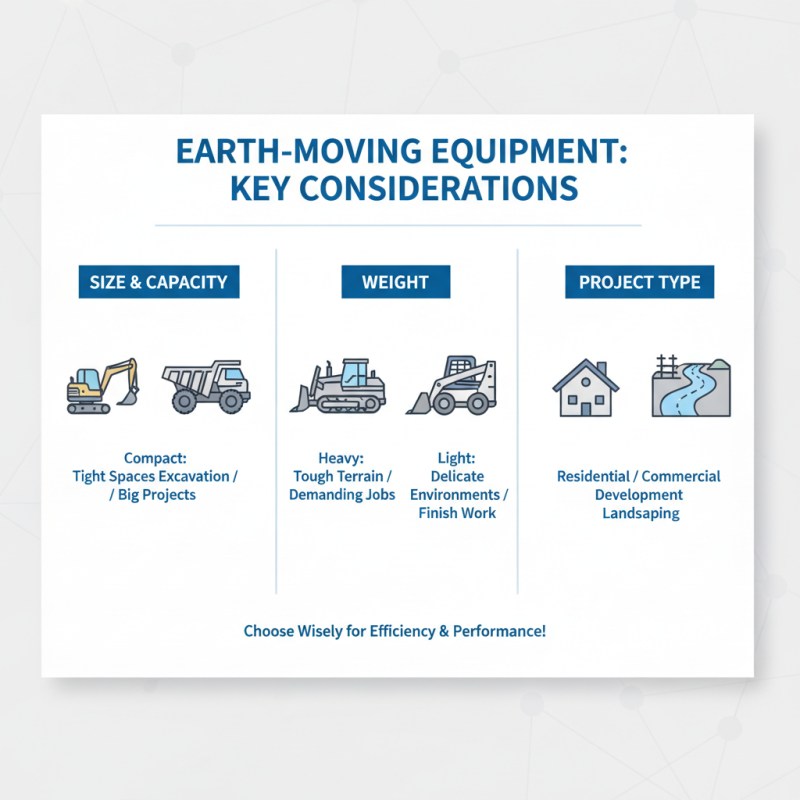
When evaluating earth moving equipment for your project, several key features should be considered to ensure you select the right machinery. First and foremost, the size and capacity of the equipment are crucial. Understanding the scale of your project will help you determine whether you need compact machines for tight spaces or larger equipment for extensive excavation. Additionally, consider the weight of the equipment, as heavier machinery may be better suited for tough terrain, while lighter options might excel in more delicate environments.
Another important characteristic to evaluate is the equipment's versatility. Machinery that can perform multiple functions, such as digging, lifting, and grading, can save time and costs by reducing the need for several different pieces of equipment. Look for models that offer attachments or accessory options to enhance functionality. Finally, reliability and maintenance requirements are essential factors; select equipment that has a reputation for durability and comes with a clear maintenance plan to minimize downtime on your project.
Understanding Different Types of Earth Moving Equipment Available for Rent
When it comes to earth moving projects, understanding the different types of equipment available for rent is crucial for selecting the right tools for the job. The most common types of earth moving equipment include excavators, bulldozers, and backhoes. Excavators are primarily used for digging and are effective for heavy lifting tasks; they come in various sizes to accommodate different project scales. Bulldozers, on the other hand, are designed for pushing large quantities of material, making them ideal for site preparation and grading work.
Another important category is the backhoe loader, which combines a front loader with a rear digging arm. This versatility allows it to handle a variety of tasks, from excavation to moving materials and light demolition. Additionally, compactors and trenchers are specialized equipment types that serve specific purposes—compactors are utilized for ground leveling and ensuring soil stability, while trenchers are perfect for digging narrow trenches, such as those needed for utility installations. By familiarizing yourself with these different types of earth moving equipment, you can make informed decisions on what machinery best fits your project requirements.
Earth Moving Equipment Rental Comparison
This chart illustrates the average rental costs per day for various types of earth moving equipment. It helps you to understand which equipment may be most cost-effective for your project needs.
Analyzing Rental Costs: Budgeting for Earth Moving Equipment Rentals
When planning a project that requires earth moving equipment, understanding rental costs is crucial for effective budgeting. Start by researching the types of equipment you need, as different machines come with varying rental rates. Consider factors like the size, capacity, and functionality of the equipment, as these will influence the rental price. Additionally, many rental companies offer different pricing structures, including hourly, daily, or weekly rates. Choosing the right rental period can significantly impact your overall costs, so it's important to align the rental duration with your project timeline.
Another aspect to assess in budgeting for earth moving equipment rentals is the additional fees that may apply. Common extras include delivery and pickup charges, maintenance fees, and insurance costs. It’s essential to clarify these potential expenses with the rental provider upfront to avoid surprises at the end of your project. Furthermore, evaluating the condition and age of the equipment can impact rental costs, as newer models might carry higher prices due to their advanced features and efficiency. By analyzing these factors and preparing a detailed budget, you can ensure that your project remains financially viable while securing the necessary equipment to achieve your goals.
How to Find the Best Earth Moving Equipment Rental for Your Project - Analyzing Rental Costs: Budgeting for Earth Moving Equipment Rentals
| Equipment Type |
Rental Cost per Day |
Rental Duration (Days) |
Total Rental Cost |
Deposit Required |
| Excavator |
$200 |
5 |
$1000 |
$500 |
| Bulldozer |
$250 |
3 |
$750 |
$600 |
| Backhoe |
$180 |
4 |
$720 |
$400 |
| Skid Steer Loader |
$150 |
7 |
$1050 |
$300 |
| Dump Truck |
$220 |
6 |
$1320 |
$550 |
Selecting a Reputable Rental Company: Credibility and Insurance Considerations
When selecting a reputable earth moving equipment rental company, credibility and insurance considerations play a pivotal role in ensuring your project's success. A significant factor to consider is the company’s history and customer reviews. According to a report from the American Rental Association, 70% of construction professionals prioritize using rental companies with a proven track record and favorable customer feedback. This highlights that opting for long-established companies typically leads to better service, maintenance standards, and overall reliability of equipment.
Insurance is another critical element when evaluating rental companies. A comprehensive insurance policy protects both the rental company and the customer against potential liabilities. The Equipment Leasing and Rental Association states that rental companies should carry liability insurance with a minimum coverage limit, often recommended to be around $1 million. This coverage not only safeguards you from accidents that may occur on-site but also reassures you of the company's commitment to safety and risk management. Aligning with a rental provider that adheres to industry standards for insurance demonstrates their dedication to protecting both their own assets and yours, fostering a safer project environment.
Assessing Rental Duration and Flexibility: Impact on Project Timelines
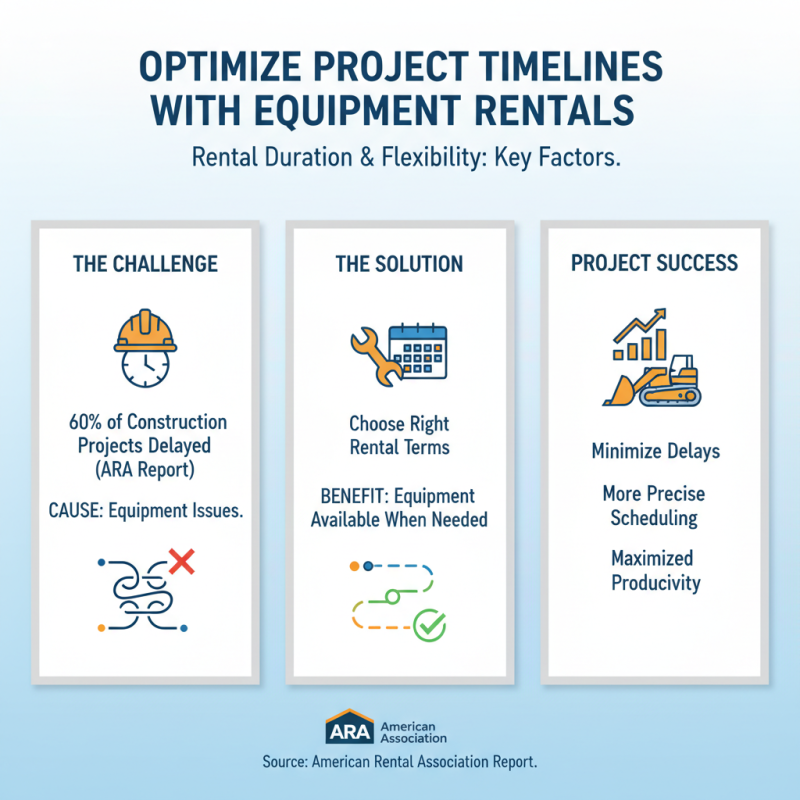
When planning a construction or earth-moving project, rental duration and flexibility are critical factors that can significantly impact project timelines. According to a report from the American Rental Association (ARA), nearly 60% of construction projects experience delays, often due to equipment-related issues. Choosing the right rental terms can help minimize these delays by ensuring that equipment is available when needed, thus allowing for more precise project scheduling.
Flexibility in rental agreements can also contribute to cost savings and efficiency. A survey by Equipment Today revealed that projects often benefit from short-term rentals, which can be extended if necessary without the commitment of long-term leases. This adaptability allows project managers to respond to changing site conditions or unexpected tasks that may arise, thereby maintaining momentum and meeting deadlines. In fact, projects that leverage flexible rental options report a 15% improvement in overall completion times compared to those locked into rigid contracts.
In conclusion, assessing rental duration and flexibility is essential for optimizing project timelines. By choosing a rental strategy that aligns with the specific demands of your project, you can not only enhance productivity but also reduce associated costs, ensuring a smoother workflow from start to finish.