Top 10 Best Heavy Construction Equipment for Your Next Project
In the ever-evolving landscape of construction, the role of heavy construction equipment stands paramount in shaping the efficiency and effectiveness of various projects. According to a report by ResearchAndMarkets, the global heavy construction equipment market is projected to reach $245 billion by 2026, driven primarily by increasing infrastructure investments and urbanization. These robust machines are not just powerful; they are vital assets that significantly enhance productivity and safety on construction sites.
As construction projects grow in scale and complexity, the demand for advanced heavy construction equipment continues to rise. The latest technologies integrated into these machines not only streamline operations but also reduce labor costs and improve overall project timelines. Moreover, the adoption of eco-friendly machinery is on the rise, with the market witnessing a shift towards sustainable practices. With diverse options available, ranging from excavators to bulldozers, selecting the right heavy construction equipment can dramatically impact the success of your next project, ensuring that deadlines are met without compromising quality.
Overview of Heavy Construction Equipment Types
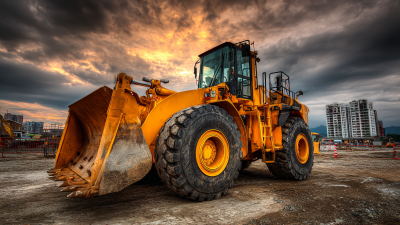
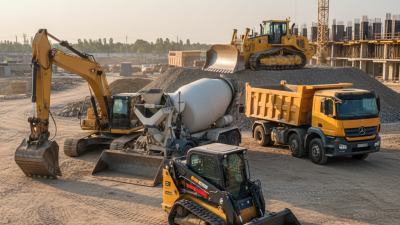
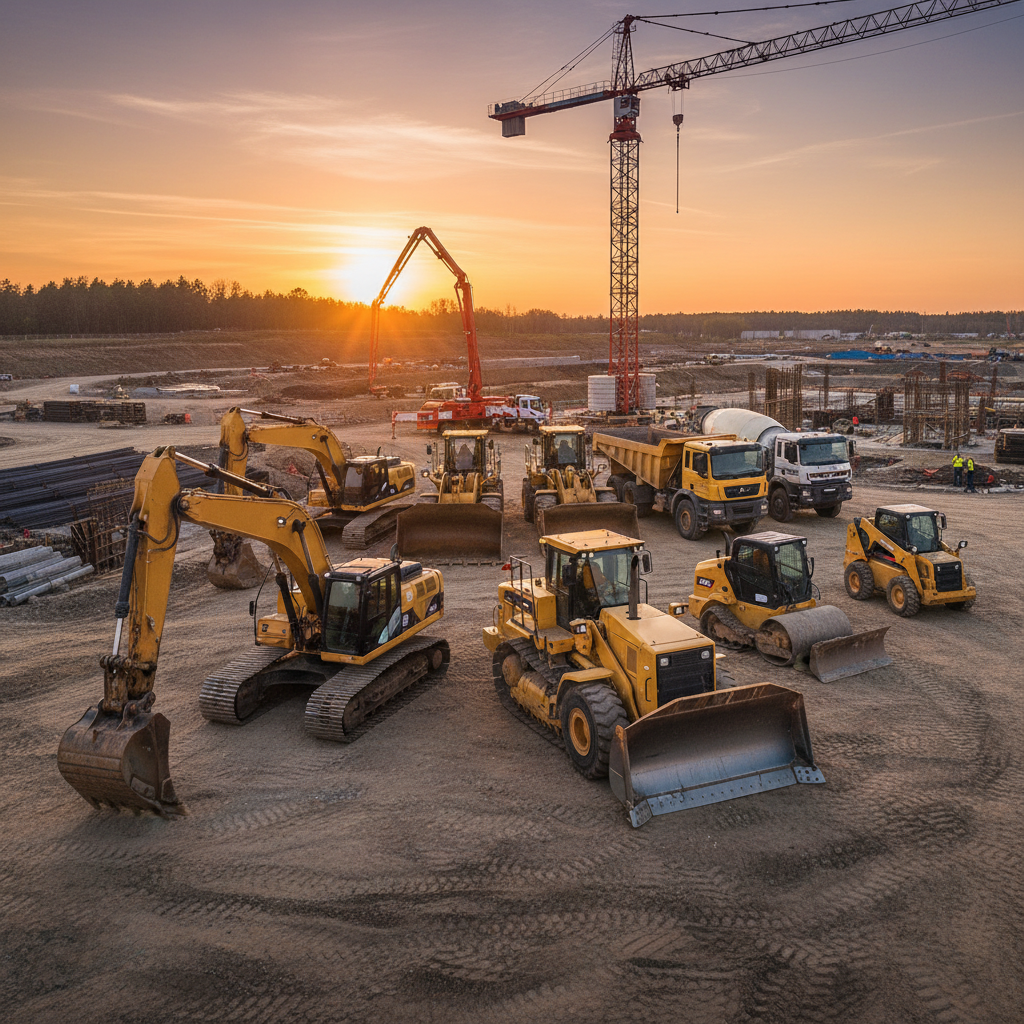
When it comes to heavy construction equipment, understanding the various types available is crucial for the success of any project. Heavy construction equipment encompasses a wide range of machines designed for tasks such as earthmoving, lifting, and material handling. Common types include excavators, bulldozers, backhoe loaders, and cranes. These machines are essential in streamlining operations, increasing efficiency, and ensuring safety on job sites.
Tips for selecting the right equipment include evaluating the project scale and specific requirements. For instance, if you need to dig deep foundations, an excavator might be your best choice due to its versatility and power. Additionally, consider the rental market; as the construction equipment rental market is expected to grow significantly, renting can often be a cost-effective solution for short-term projects. Understanding the functions of hydraulic cylinders, which convert hydraulic fluid pressure into linear motion, is also important. They play a critical role in the performance of many heavy construction machines, providing the needed force and durability.
Choosing the right type of heavy construction equipment not only enhances project productivity but also impacts overall costs. Consequently, assess the workload and efficiency ratings of the equipment before making a decision. Remember, investing in high-quality equipment can lead to improved outcomes and long-term savings.
Top 10 Best Heavy Construction Equipment for Your Next Project
| Equipment Type |
Weight (lbs) |
Engine Power (HP) |
Operating Capacity (lbs) |
Common Use |
| Excavator |
20,000 |
150 |
8,000 |
Digging |
| Bulldozer |
30,000 |
200 |
20,000 |
Grading |
| Wheel Loader |
18,000 |
150 |
12,000 |
Loading |
| Backhoe Loader |
15,000 |
90 |
3,500 |
Excavating |
| Crane |
40,000 |
400 |
20,000 |
Lifting |
| Dump Truck |
26,000 |
300 |
14,000 |
Transporting |
| Paver |
35,000 |
150 |
5,000 |
Paving |
| Telehandler |
10,000 |
100 |
8,000 |
Material Handling |
| Road Roller |
18,000 |
120 |
12,000 |
Compacting |
| Skid Steer Loader |
7,000 |
60 |
3,000 |
Versatile Work |
Criteria for Selecting Heavy Construction Equipment
When selecting heavy construction equipment for your next project, several key criteria should guide your decision-making process. First and foremost, consider the specific requirements of your project, including the type of work involved, the site conditions, and the materials you will be handling. Equipment such as excavators, bulldozers, and cranes each serve distinct purposes; choosing the right machinery can significantly impact efficiency and safety.
Another critical factor is the equipment's reliability and maintenance history. Researching the brand reputation and user reviews can provide insights into performance and potential downtime issues. Additionally, assess the availability of parts and service support in your area, as this can affect ownership costs and operational readiness. Lastly, evaluate your budget constraints; while it’s tempting to opt for the cheapest option, investing in high-quality, durable equipment often pays off in the long run through enhanced productivity and reduced repair costs. Taking these criteria into account will help ensure that you select the best heavy construction equipment for your upcoming project.
Top 10 Heavy Construction Equipment Models
When embarking on a heavy construction project, choosing the right equipment can significantly impact efficiency and productivity. Among the top models in the industry, the excavator stands out for its versatility. This machine is ideal for digging, moving earth, and even demolition tasks. Additionally, modern excavators come equipped with advanced hydraulic systems that enhance their performance.
Another vital piece of equipment is the bulldozer, known for its powerful blade that can push large quantities of soil or rubble. Its weight and durability make it a reliable choice for clearing sites and shaping the terrain. When selecting a bulldozer, consider the size and power needed for your specific project requirements.
**Tips:** Always assess the terrain before selection; knowing whether you'll be working on rocky or soft ground can dictate the type of tracks or wheels needed. Furthermore, ensure proper operator training for all machinery to maximize safety and efficiency on-site. Regular maintenance checks before and during your project will prevent unexpected breakdowns, keeping your schedule on track.
Top 10 Best Heavy Construction Equipment for Your Next Project
Benefits of Using Heavy Construction Equipment
Heavy construction equipment plays a pivotal role in modern construction projects, providing numerous benefits that enhance efficiency and productivity. Utilizing these machines not only accelerates project timelines but also improves overall safety on job sites. Equipment such as excavators, bulldozers, and cranes allow for heavy lifting, precise digging, and extensive grading, which would be incredibly labor-intensive and time-consuming if performed manually. This mechanization reduces the risk of injuries, allowing workers to focus on tasks that require specialized skills.
In addition, the integration of AI technology into construction equipment is revolutionizing the industry. AI implements algorithms that optimize equipment performance, track project progress in real-time, and ensure maintenance needs are anticipated before they lead to breakdowns. This predictive capability enhances project management, allowing for better resource allocation and workflow efficiencies. As the construction landscape continues to evolve, embracing these advanced tools not only helps in adhering to project deadlines but also positions companies at the forefront of innovation in the field.
Maintenance and Safety Tips for Heavy Equipment Users
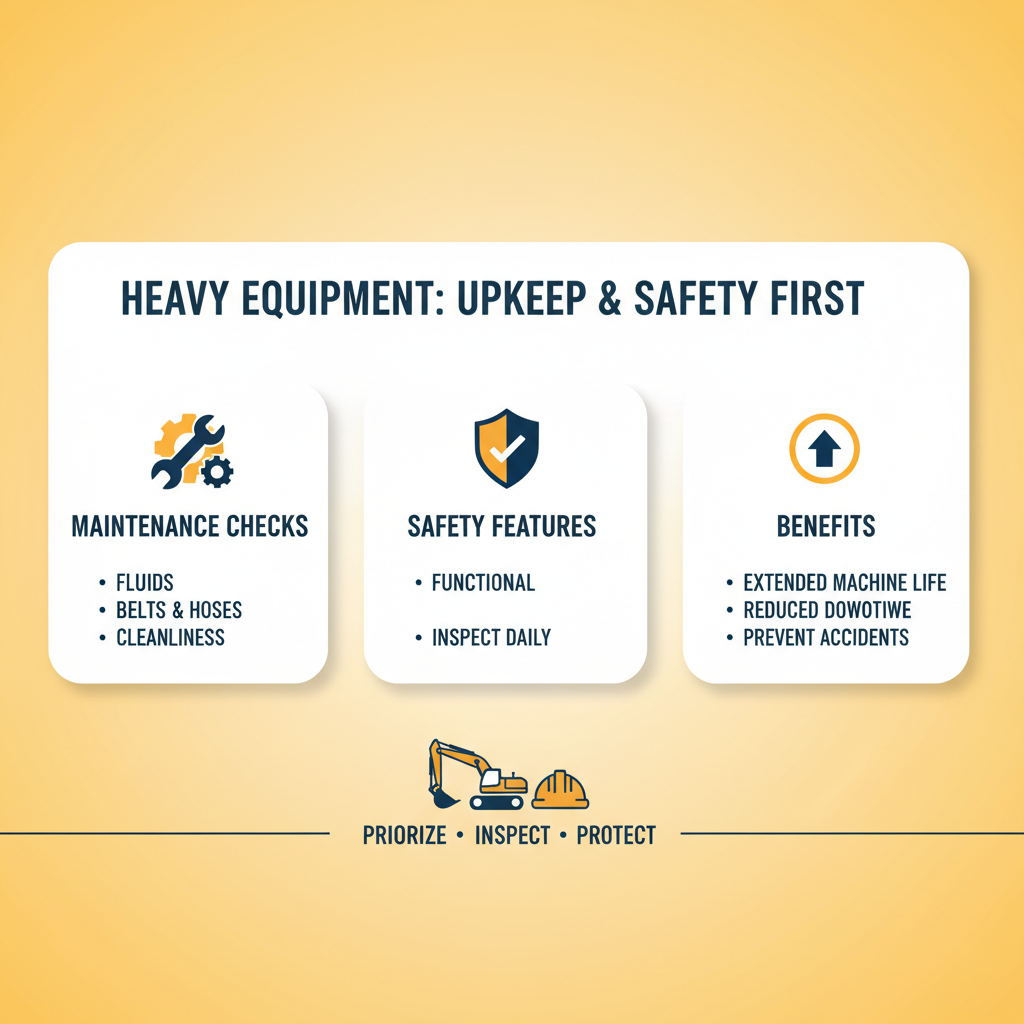
When operating heavy construction equipment, maintenance and safety should always be top priorities.
Regular inspections and maintenance checks can significantly enhance the longevity of your machines.
Make it a point to review all fluid levels, inspect belts and hoses for wear and tear, and ensure that safety features are functioning properly.
Keeping equipment clean also helps identify potential issues before they escalate.
Another vital aspect of safety is operator training. Ensure that all personnel are adequately trained and certified to operate heavy machinery.
This minimizes the risk of accidents and injuries on-site. Additionally, reinforce the importance of wearing personal protective equipment (PPE) such as helmets, gloves, and visibility gear.
Always maintain a communication system among workers to alert them of any hazards promptly.
Finally, consider creating a safety checklist that includes pre-operation inspections, operating procedures, and post-operation maintenance.
This can serve as a daily reminder of best practices and ensure that every operator knows their responsibilities.
By prioritizing maintenance and integrating comprehensive safety measures, you'll create a more efficient and safer work environment for everyone involved.