How to Choose the Best Aftermarket Undercarriage Parts for Your Equipment?
Choosing the right aftermarket undercarriage parts is crucial for equipment longevity. According to a report by Market Research Future, the global aftermarket parts industry is projected to reach $700 billion by 2025. These components are often the backbone of heavy machinery, affecting efficiency and performance.
Expert Bob Miner, an authority in heavy equipment maintenance, stated, "Selecting high-quality aftermarket undercarriage parts can dramatically extend the life of your equipment." His insights highlight the importance of making informed choices. Many operators overlook the significance of quality, opting for lower-cost alternatives that may compromise performance.
Be aware that not all parts are created equal. Counterfeit and substandard components can lead to costly repairs down the line. Investing in reputable brands often pays off. A well-informed decision can save not only money but also operational downtime. As the market grows, the challenge is to navigate through countless options and find parts that truly add value.

Understanding the Importance of Quality Aftermarket Undercarriage Parts
When it comes to maintaining heavy equipment, the undercarriage is a critical component. Quality aftermarket undercarriage parts can significantly impact performance and longevity. According to industry reports, nearly 50% of maintenance costs stem from undercarriage wear. Choosing high-quality parts is essential. They provide better durability and improved efficiency.
Not all aftermarket parts are created equal. Some may seem cost-effective but fail to perform. Reports indicate that low-quality parts can reduce equipment lifespan by up to 30%. Inspecting the materials and manufacturing processes is crucial. Ensure certifications and performance metrics support the product specifications.
Using the right aftermarket components can also enhance safety. A compromised undercarriage may increase the risk of accidents, leading to injury and costly downtime. Quality assurance is vital, as it ensures parts can withstand tough conditions. Pay attention to user reviews and technical data when making a choice. Curating reliable and durable options can be the difference between smooth operations and frequent repairs. Consider all these aspects carefully before making a decision.
Identifying Compatible Undercarriage Parts for Your Equipment Model
When selecting aftermarket undercarriage parts, compatibility is crucial. Each equipment model has unique dimensions and specifications. Researching your specific model number can save you time and money. A simple mistake may lead to a poor fit, causing more problems later. Sometimes, measurements may be slightly off, leading to incompatibility. It’s essential to double-check details from reliable sources.
Consider the type and use of your equipment. Heavy-duty applications require robust parts, while lighter tasks may allow for more flexibility. Weight ratings can guide your decision. Undercarriage parts include rollers, idlers, and tracks. Each serves a distinct function and must align with your needs. Additionally, your operating environment matters. Extreme conditions can affect part performance.
Compatibility isn't solely about dimensions. Materials used in parts can impact durability. Cheaper options might seem appealing, but they may not last long. Real-world experiences often highlight the importance of quality over cost. Engaging with online forums can help gather insights. Users often share their journey with different parts, providing valuable lessons. Be open to learning from others’ mistakes.
Evaluating Material Durability and Performance of Aftermarket Options
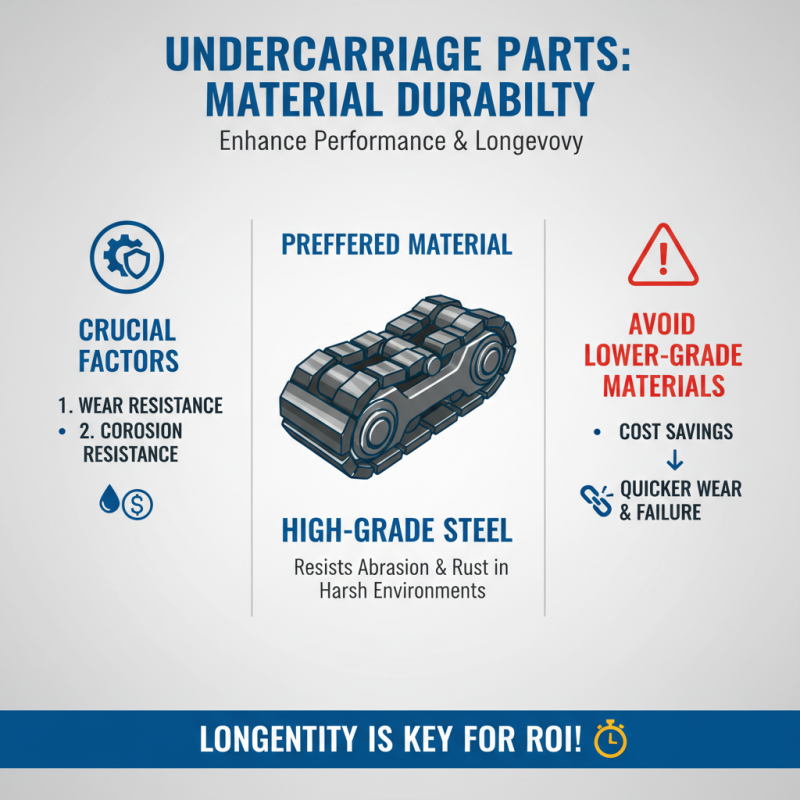
When selecting aftermarket undercarriage parts, material durability is crucial. The right materials can enhance performance and extend the lifespan of your equipment. Look for steel components that resist wear and corrosion, as these are vital for harsh environments. Some parts may use lower-grade materials to cut costs, but this often results in quicker wear. Longevity is key.
Performance is another critical factor. Aftermarket parts should meet or exceed the specifications of original equipment. However, not all options deliver on this promise. It's essential to evaluate real-world performance and user reviews. Some parts may look good on paper but fail under actual conditions. Pay attention to feedback from other users regarding durability and performance.
Remember, the balance between cost and quality is not always perfect. Sometimes, you'll find yourself questioning the trade-offs. A cheaper part might save money now, but will it hold up over time? Consider the long-term implications of your choices. Investing in high-quality components could save you from frequent replacements and downtime. Reflect on your specific needs to make an informed decision.
Comparing Cost-Effectiveness of Various Aftermarket Undercarriage Brands
When selecting aftermarket undercarriage parts, cost-effectiveness plays a significant role. Many brands claim durability and performance, but prices can vary widely. Some products are cheaper but may not last as long.
Cheaper parts might wear out quickly, leading to more frequent replacements. Parts from more reputable sources often come at a higher price but can offer better reliability.
It’s essential to weigh the initial price against longevity and performance. For instance, a well-made part might cost more upfront but save money over time. Some users notice that cheaper options fail sooner, which can result in downtime.
Downtime impacts productivity and ultimately, profitability.
Consider also the support and warranty provided by different brands. A solid warranty can indicate confidence in the product's durability. Research user reviews, and ask industry peers about their experiences. This will help avoid poor purchasing decisions.
Choosing the right part demands careful thought and a balance of cost with reliability.
Assessing Warranty and Support Options for Aftermarket Equipment Parts
When evaluating aftermarket undercarriage parts, warranty and support options are crucial. A robust warranty signifies the manufacturer’s confidence in their product. According to a recent industry report, 80% of equipment operators prefer parts backed by at least a one-year warranty. This not only offers peace of mind but also suggests better quality.
Consider the range of support services provided. Does the supplier offer technical assistance or installation guidance? This can significantly affect the performance of your machinery. A survey indicated that 65% of users experienced fewer issues when aided by expert support.
**Tip**: Always verify the warranty details before purchase. Don’t overlook conditions or exclusions that might limit coverage.
Some companies may offer extensive warranties but limited support. A lengthy warranty without proper assistance can lead to frustration when problems arise. Another insight shows that 50% of equipment failures stem from misalignment during installation.
**Tip**: Seek out suppliers who provide consistent support during and after the buying process. Knowledgeable representatives can make a substantial difference.
How to Choose the Best Aftermarket Undercarriage Parts for Your Equipment? - Assessing Warranty and Support Options for Aftermarket Equipment Parts
| Part Type |
Material |
Warranty Period |
Support Options |
Price Range ($) |
| Tracks |
Steel |
12 months |
Phone, Email |
300 - 800 |
| Sprockets |
Cast Iron |
18 months |
Online Chat, Email |
150 - 400 |
| Idler Wheels |
Rubber |
6 months |
Phone |
50 - 150 |
| Rollers |
Steel |
12 months |
Email, FAQ |
200 - 600 |
| Track Shoes |
Steel |
24 months |
Phone, Online Chat |
100 - 500 |