Why Choose Construction Equipment Rental for Your Projects?
In today's competitive construction industry, project managers face numerous challenges. Budget constraints and the need for advanced machinery often complicate the decision-making process. This is where construction equipment rental comes into play. Renting machinery provides flexibility, allowing businesses to adapt quickly to changing project needs.
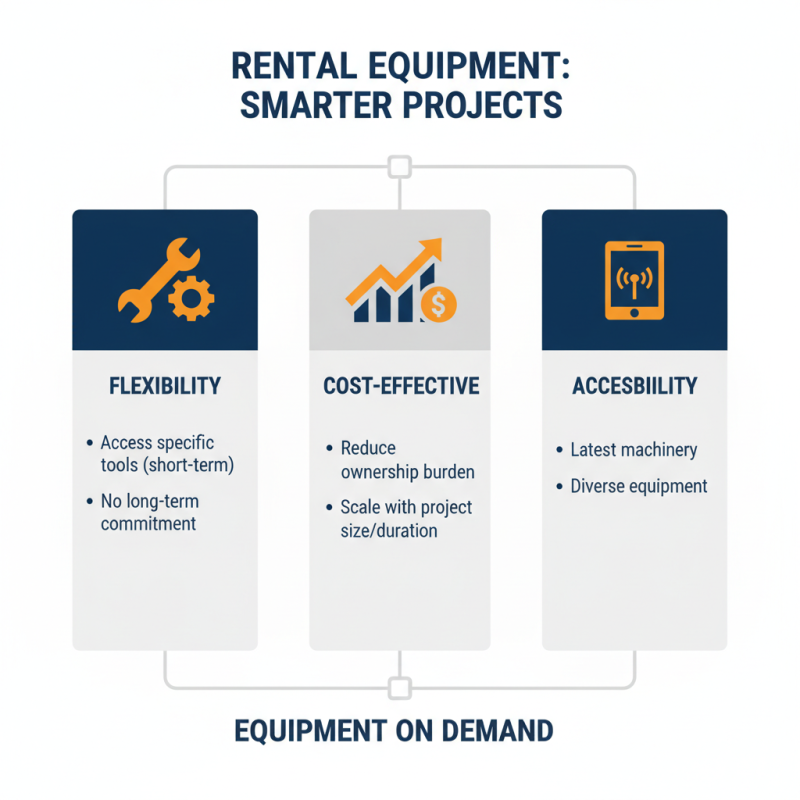
Choosing construction equipment rental can save costs significantly. Purchasing heavy machinery involves high upfront expenses, maintenance, and storage. Instead, renting allows companies to invest funds more wisely, focusing on project execution rather than equipment ownership. Additionally, rental companies offer various options tailored to specific project demands.
However, not every construction project is suited for rental. Companies need to analyze their unique situations carefully. Relying solely on rented equipment may pose risks if not managed properly. It is essential to establish trust in rental partners and ensure they have a good reputation. Ultimately, weighing the benefits against potential drawbacks is crucial for effective project management.
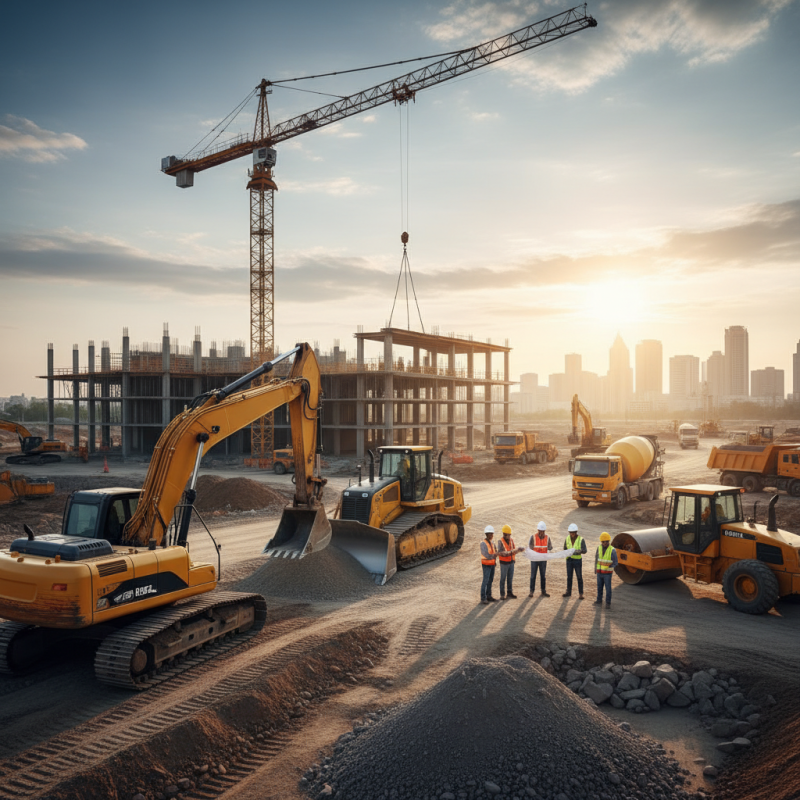
Benefits of Construction Equipment Rental for Cost Efficiency
Construction equipment rental is a practical choice for many project managers. Studies show that renting equipment can reduce costs by 30% compared to purchasing. This data reflects the growing trend of companies prioritizing cost efficiency. With rental, businesses only pay for the time they need the machinery, avoiding long-term ownership costs.
Maintenance is another significant aspect. Owning equipment means you bear the full burden of upkeep. When renting, maintenance is often included in the agreement. As a result, companies can focus on their core activities rather than dealing with repairs and servicing. This can lead to increased productivity and smoother project progress.
Tip: Always compare rental agreements. Look for hidden fees or additional charges that may affect your budget. Transparency is key.
Utilizing rental services can also be more environmentally friendly. It reduces the number of machines in operation. With fewer machines, there's less wear and tear on public roads and less environmental impact. However, not all rental companies maintain their equipment well. It’s crucial to choose a reliable provider to ensure you're using safe and efficient machinery.
Tip: Ask for equipment history and maintenance records before finalizing a rental. This can help avoid unpleasant surprises later.
Market Trends in Construction Equipment Rental Industry
The construction equipment rental industry is witnessing significant shifts. More firms are opting for rental services to stay agile. This trend stems from the need to control costs and access the latest technology without large upfront investments.
Market research reveals an increasing demand for specialized equipment. Contractors are focusing on specific tasks that require advanced machinery. The flexibility of renting allows them to choose equipment tailored for each project. However, not all firms adapt quickly. Some still rely on outdated tools, which can hinder productivity.
Sustainability is another emerging trend. Many rental companies are investing in green equipment. This move aligns with global efforts to reduce carbon footprints. Yet, the challenge remains for firms to balance sustainability with cost-effectiveness. As the market evolves, staying informed is key to making the right choices.
Environmental Benefits of Using Rental Equipment in Construction
Using rental equipment for construction projects presents significant environmental benefits. Firstly, renting reduces the need for new machinery. Manufacturing equipment consumes resources and energy, contributing to pollution. By choosing rental options, construction teams can minimize their carbon footprint. This approach allows for better resource management, as fewer machines are produced and used.
Rental equipment often features updated technology. Newer machines run cleaner and are more energy-efficient. These advancements lead to lower emissions during operation. Additionally, rentals reduce waste. When contractors finish a project, they return the equipment instead of disposing of it. This practice helps in recycling and reusing resources effectively.
However, the reliance on rental equipment is not without challenges. Some contractors may be unfamiliar with operating various machines. It's crucial to train personnel adequately. Ensuring all workers understand the equipment is essential for safety and efficiency. Embracing rentals means adapting to new practices within teams. This step can improve overall environmental responsibility in construction projects.
Environmental Benefits of Using Rental Equipment in Construction
Flexibility and Accessibility of Rental Equipment for Diverse Projects
Choosing rental equipment offers unmatched flexibility for diverse projects. Construction often requires specific tools and machinery that may only be needed for a short time. With rental services, you can access the latest equipment without the burden of long-term ownership. It allows you to scale your equipment needs based on project size and duration.
Accessibility is another significant advantage. Renting equipment can save you time in procurement. You can quickly find and deploy the machines you need. This approach eliminates the challenges of maintenance and storage associated with owned equipment. However, it is essential to consider the reliability of rental sources. Researching rental companies ensures you're working with recognized providers.
In some cases, rental equipment may not be available at the right time or location. Planning ahead can mitigate this risk, but unforeseen demands still arise. Each project has its unique requirements, and flexibility can sometimes have its drawbacks. Balancing the ideal equipment with availability is crucial for success.
Case Studies on Successful Construction Projects Using Rental Equipment
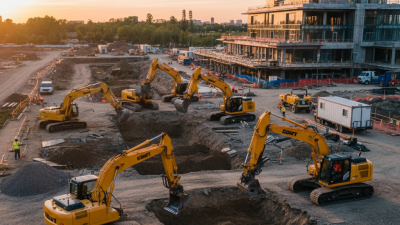
When it comes to construction projects, renting equipment offers notable advantages. Numerous case studies highlight successful outcomes achieved through this approach. A mid-sized company improved efficiency by using rented excavators instead of purchasing. They completed their project ahead of schedule. The flexibility of rental agreements allowed them to adjust equipment as needed, without long-term commitments.
One notable case involved a large infrastructure project. The team relied on rental cranes and scaffolding. They encountered unexpected challenges, such as bad weather, which delayed the timeline. However, the rental equipment allowed for rapid adjustments. This flexibility resulted in significant cost savings and minimized downtime. Such experiences illustrate how rental equipment can enhance project adaptability and responsiveness.
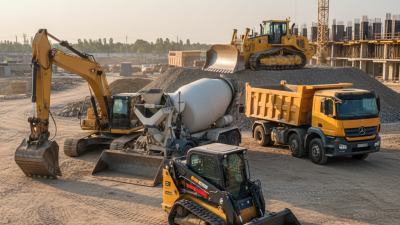
On another project, a team used rented concrete mixers for a residential development. Initially, they underestimated the volume of work. Faces of frustration emerged as the project fell behind schedule. However, swift action in obtaining additional rented mixers made a difference. The project regained its pace and ultimately met its deadline. Such stories emphasize the need for proactive planning and the utility of rental options in overcoming hurdles in construction.