How to Choose Aftermarket Heavy Equipment Parts for Optimal Performance?
Choosing aftermarket heavy equipment parts is crucial for maintaining performance. According to industry expert Mark Thompson, "The right parts can extend the life of your equipment." In a competitive market, this choice can determine your equipment’s efficiency and longevity.
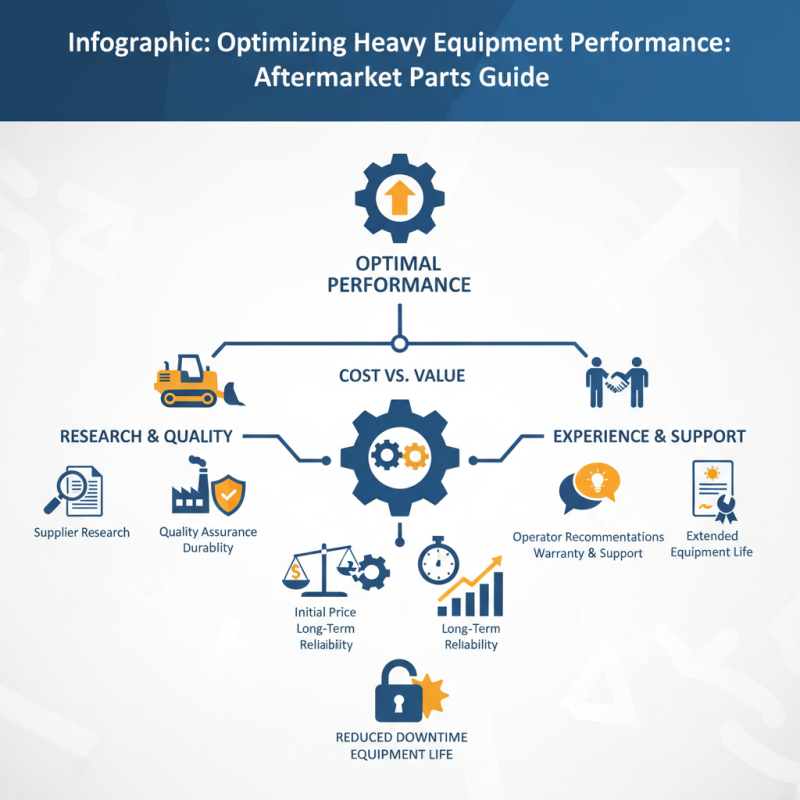
Selecting aftermarket heavy equipment parts can be overwhelming. The vast array of options often leads to confusion. It's vital to research suppliers and quality to ensure that parts meet your specific needs. Some parts may seem cheaper but can compromise reliability. Quality should always come before price in many cases.
Experience matters when selecting parts. Relying on recommendations from fellow operators can offer valuable insights. Also, consider warranty and support during your decision-making process. Reflecting on past purchases can highlight areas for improvement. Remember, investing time in choosing the right parts is key to avoiding costly downtime.
Understanding Aftermarket Parts for Heavy Equipment
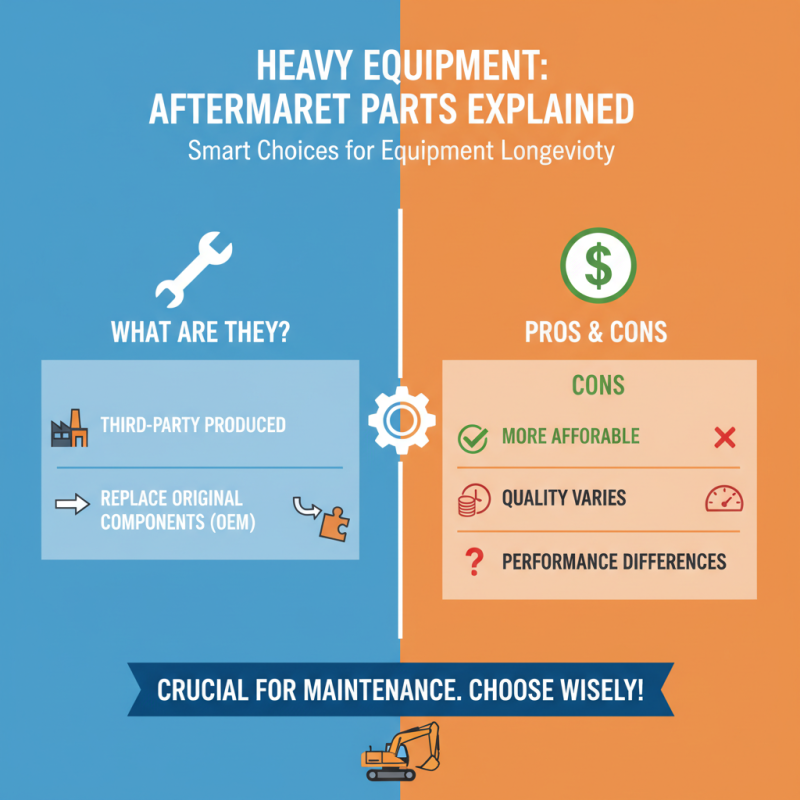
When it comes to heavy equipment, understanding aftermarket parts is crucial. These parts are produced by third-party manufacturers. They are designed to replace original components. Often, they can be more affordable and readily available than OEM parts. However, quality can vary greatly. Not every aftermarket part will provide the same level of performance.
Choosing the right aftermarket part requires careful consideration. Start by researching the specific part's compatibility with your equipment. Reviews and testimonials can offer insights into other users' experiences. Some aftermarket parts may not meet the same standards, which can lead to equipment failure. Always check return policies as well; not all parts fit perfectly, and sometimes modifications are necessary.
Keep in mind, while the cost savings can be tempting, investing in lower-quality parts may lead to higher long-term costs. The performance of your equipment could suffer, impacting productivity. It’s important to reflect on your choices deeply. Rate the balance between cost and reliability. This approach ensures that you make informed decisions, benefiting both your operations and your budget in the long run.
Assessing Compatibility with Your Equipment Model
When selecting aftermarket heavy equipment parts, compatibility with your model is crucial. Each piece of equipment has specific requirements. Using parts that don't fit can lead to performance issues. It could also shorten the lifespan of your machinery.
Check the specifications of your equipment. Compare them with the aftermarket parts. Look for variations in size, shape, and functional capabilities. Even slight differences can cause problems. It’s essential to ensure proper alignment and functioning.
**Tips:** Always consult your equipment's manual first. It holds valuable information. Seek advice from professionals. You may think you know your machine, but insights can help. Take your time assessing compatibility. Rushing can lead to costly mistakes. Sometimes, the cheapest option isn’t the best choice. Reflect on your decisions to avoid future troubles.
How to Choose Aftermarket Heavy Equipment Parts for Optimal Performance?
| Part Type |
Compatibility |
Material |
Warranty (Months) |
Price ($) |
| Hydraulic Cylinder |
Model A, Model B |
Steel |
12 |
450 |
| Alternator |
Model C |
Aluminum |
24 |
300 |
| Fuel Filter |
Model A, Model D |
Paper |
6 |
25 |
| Track Chain |
Model B, Model D |
Carbon Steel |
18 |
700 |
| Bucket Teeth |
Model A, Model C |
High Carbon Steel |
12 |
40 |
Evaluating Quality and Performance Standards
When choosing aftermarket heavy equipment parts, evaluating quality and performance standards is crucial. Start by considering the material used in the components. High-grade steel or durable composites often indicate better performance. Examine specifications closely. Parts that meet rigorous industry standards usually provide greater reliability.
Testing is another key area. Look for parts that have undergone testing in real-world conditions. This can highlight potential weaknesses that might not be apparent in lab settings. Ensuring compatibility with existing machinery can prevent costly downtime. Measure physical dimensions accurately for a perfect fit.
You may also reflect on past experiences with aftermarket parts. Did a previous choice cause delays or inefficiencies? Learning from those mistakes can guide future purchases. Reviews from other users can provide insight into long-term performance. Be cautious, as some parts may appear robust but fail under stress. Choosing wisely is essential for optimal equipment performance.
Comparing Costs and Warranty Options
When selecting aftermarket heavy equipment parts, cost and warranty options are crucial factors. A study by the Equipment Leasing & Finance Foundation indicates that equipment owners see an average savings of 30% when choosing aftermarket parts over OEM components. This significant difference can lead to substantial savings for businesses managing tight budgets. However, the lower price can sometimes come with risks.
Warranty terms can vary widely among aftermarket parts. Some manufacturers offer limited warranties that last only a few months, while others provide coverage for years. According to a recent report by the Association of Equipment Manufacturers, 40% of buyers overlook warranty details when making a purchase. This decision can lead to unexpected expenses down the line. It’s essential to thoroughly investigate which warranties cover what, and for how long.
Evaluating both costs and warranty options may feel overwhelming. Not every part from aftermarket suppliers is created equal. Reliability issues may arise with cheaper components. Therefore, proper research is needed to balance cost with quality. Unsurprisingly, some clients end up regretting their choices due to unexpected part failures. Ensuring a long-term partnership with a reliable supplier can provide both peace of mind and financial stability.
Researching Reputable Suppliers and Brands
When searching for aftermarket heavy equipment parts, it's crucial to explore reliable suppliers and brands. Focused research can save time and money in the long run. Seek suppliers who have industry experience. Online reviews can provide insights into their reputation and product quality. Check if they have durable, customer-tested parts that meet safety standards.
Tip: Always compare multiple suppliers. A lower price might indicate poorer quality. Consider the balance between cost and reliability. Look for suppliers with strong warranties or guarantees on their parts. This can be a sign of confidence in their products.
Sometimes, finding the right supplier can be frustrating. You may encounter misleading claims or lackluster customer service. Reflect on these challenges. Prioritize suppliers that communicate clearly and respond promptly. A good relationship with your supplier can enhance your operational efficiency in the long run. Don't hesitate to ask questions, even if it feels uncomfortable.
Aftermarket Heavy Equipment Parts Performance Comparison