How to Choose the Best Heavy Equipment for Your Needs?
Choosing the right heavy equipment is crucial for maximizing efficiency and minimizing costs in construction projects. According to a recent report by the Association of Equipment Manufacturers (AEM), the heavy equipment market is projected to reach $200 billion by 2027. It highlights the increasing demand for advanced machinery to meet growing construction needs. Expert John Smith, a leading consultant in heavy machinery, states, "Selecting the right equipment can dramatically affect project outcomes and budgets."
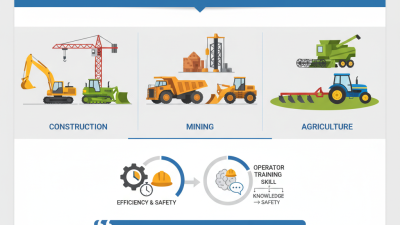
Understanding the specific requirements of your projects is essential. Factors such as workload, terrain, and equipment versatility play significant roles in decision-making. Many buyers overlook the importance of matching equipment capabilities to project needs, which can lead to costly errors. Additionally, maintaining equipment and ensuring proper training for operators can greatly enhance performance.
Investing time in research is vital. The heavy equipment industry is filled with options, making it overwhelming for many. Some decisions may seem straightforward, yet they can lead to significant repercussions. Reflecting on your choices and seeking expert advice will ensure you are equipped for success.
Factors to Consider When Choosing Heavy Equipment for Construction
Choosing the right heavy equipment for construction projects is crucial. The first factor to consider is the type of work required. Are you digging, lifting, or moving materials? Each task requires specific machinery. Assess the workload and the site conditions. This helps narrow your choices.
Next, evaluate the equipment's size and capacity. A mini excavator might be suitable for tight spaces but lacks the power for larger projects. Conversely, oversized machines can be inefficient and costly in smaller areas. Check the weight capacity of the equipment. Exceeding it can lead to damage and safety risks.
Also, maintenance and support are essential. Reliable equipment often has better long-term costs, even if the upfront price is higher. Research service availability in your area. Equipment that requires frequent repairs can delay your project and increase costs. Balancing all these factors will guide you in making a well-informed decision. Choosing heavy equipment is a significant investment. Be sure to reflect on your specific needs before making a commitment.
Understanding the Different Types of Heavy Equipment Available
When selecting heavy equipment, understanding the various types is crucial. The industry features
excavators, bulldozers, cranes, and loaders, each serving distinct purposes.
According to the American Rental Association, the equipment rental market will reach
$58 billion by 2025, reflecting the growing demand for specialized machinery.
Excavators are ideal for digging and demolition. They can easily maneuver in tight spaces. The versatility of attachments like
buckets and breakers enhances their functionality.
Bulky bulldozers, on the other hand, excel in earthmoving tasks. Their large blades can handle tough terrain, making them invaluable for
construction sites.
Tip: Assess your project's specific needs before choosing equipment. Consider factors like
terrain type and project size.
Cranes are vital for heavy lifting. They come in various configurations, each designed for specific lifting capacities and heights.
Loaders, used mostly for transporting heavy materials, offer fast cycle times.
Tip: Review operational costs and maintenance requirements. Some machines may seem affordable initially,
but operating expenses can add up. Understanding these aspects is essential for effective budgeting. Know the strength and limitations of
each equipment type to avoid mismatching them with your project objectives.
Analyzing Your Project Requirements and Budget Constraints
When selecting heavy equipment, understanding your project requirements is crucial. Clearly define the tasks at hand. Will you be moving earth, lifting materials, or paving? Each task requires specific machinery. Take the time to map out the scale and complexity. This initial analysis helps narrow down choices significantly.
Budget constraints play a pivotal role in decision-making. Consider both purchase and operating costs. A low purchase price may lead to higher maintenance expenses. It's important to evaluate long-term financial impacts. Sometimes, renting equipment emerges as a cost-effective solution. Be honest about your project's duration and frequency of use. It’s easy to overlook these factors, but they can make or break your financial planning.
Reflect on the support you may need. Some projects require specialized training for equipment operation. Ensure your team is prepared. Unforeseen challenges may arise, and being equipped is key to overcoming them. Balancing equipment selection with budget and requirements demands careful thought. Revisiting your choices periodically can lead to better outcomes.
Evaluating Equipment Performance Metrics and Specifications
When evaluating heavy equipment, performance metrics matter significantly. Look for key specifications like horsepower, lifting capacity, and fuel efficiency. These metrics will inform how well an equipment piece can handle rigorous tasks. For instance, a machine with higher horsepower may manage tough terrains better. However, it may also lead to increased fuel consumption.
Consider the operational cost too. Heavy equipment maintenance can accumulate over time. If a machine’s specifications are strong but it often breaks down, the long-term costs may outweigh initial savings. Reliability is a crucial factor. Frequent repairs can stall projects and inflate budgets.
User reviews and field tests can provide insight into real-world performance. These assessments offer a glimpse of how machines perform under various conditions. Don't overlook the importance of asking professionals with experience. Their knowledge can guide you through complex choices. Keep in mind that every need may require different specifications. Hence, personal evaluation of metrics is essential.
Heavy Equipment Performance Comparison
Impact of Equipment Maintenance and Support on Choice Selection
When selecting heavy equipment, the role of maintenance and support is often underestimated. Regular maintenance ensures that machinery operates at peak efficiency. Equipment that breaks down frequently can lead to significant downtime, affecting project timelines. Support services from manufacturers or dealers can significantly influence your choice. Quick access to spare parts and expert help can save time and money.
Inadequate maintenance can create long-term reliability issues. Some equipment may seem perfect on paper, but its upkeep may be costly. Lack of proper training in maintenance can lead to errors. Therefore, assessing the availability of comprehensive support is crucial. Ask about training programs for your team. Reliable support can make a significant difference in the longevity of your equipment.
Consider the challenges of maintaining heavier machinery. Equipment can require specialized knowledge for proper care. Not all vendors provide the same level of customer support. Investigating reviews and case studies can offer insights into the experiences of others. Ultimately, the right choice hinges on balancing equipment capabilities with sustainable maintenance practices.