How to Choose Construction Trucks for Your Business?
Choosing the right construction trucks can shape a business’s daily output, operating costs, and ability to meet project deadlines. The wrong vehicle may sit idle, burn more fuel than expected, or struggle with rough access roads. A dump truck suits hauling loose material, while a flatbed may better serve equipment deliveries. The best fit depends on the work, not the vehicle’s size or appearance. Small details matter. A narrow site entrance, steep grade, or frequent stop-and-start route can change what works in practice. No truck is perfect for every job, and that is worth admitting early.
A sound decision begins with clear information about your loads, routes, and working conditions. Estimate typical payloads, daily mileage, and hours spent on site. Compare those needs with vehicle capacity, fuel use, maintenance access, and driver visibility. Review service records for used trucks, and ask manufacturers or qualified dealers about specifications and support. Inspect the truck in person when possible; check tires, brakes, hydraulic components, and the cab’s controls. Also confirm that the vehicle suits applicable safety requirements and legal payload limits in your operating area. A spreadsheet can help, but it cannot capture every muddy turn or delayed repair. Leave room to reconsider assumptions. The goal is a reliable truck that supports real work without stretching the budget or the crew. Some trade-offs remain.
Identify Your Business’s Construction and Hauling Needs
Map a typical workweek before comparing trucks. Record the materials hauled, average load weight, trip distance, and hours spent on rough or paved roads. A short route between a jobsite and a nearby aggregate yard creates different demands from repeated highway trips. Note loading conditions, too: wet soil can weigh much more than its volume suggests. Truck-bed capacity alone is not enough; compare expected payload with the vehicle’s rated capacity.
Then track downtime and operating costs. The American Transportation Research Institute’s 2024 Operational Costs of Trucking report put average marginal operating costs at $2.270 per mile in 2023. Treat that as a broad benchmark, not a quote for your fleet; fuel, maintenance, and local routes change the result. That matters. A truck that carries more per trip may still cost more if it burns extra fuel or spends hours waiting to unload.
Match the body and configuration to the work. Frequent deliveries of loose material may call for a different setup than hauling equipment or utility supplies. The U.S. Census Bureau reported roughly $2.15 trillion in U.S. construction spending for 2024, but that national total cannot predict one company’s workload. Use your own job logs and seasonal schedule. The first estimate is often wrong. Recheck it against actual loads, muddy access roads, and the time needed to queue at each site.
Compare Truck Types for Different Jobsite Tasks
How to Choose Construction Trucks for Your Business?
Compare Truck Types for Different Jobsite Tasks
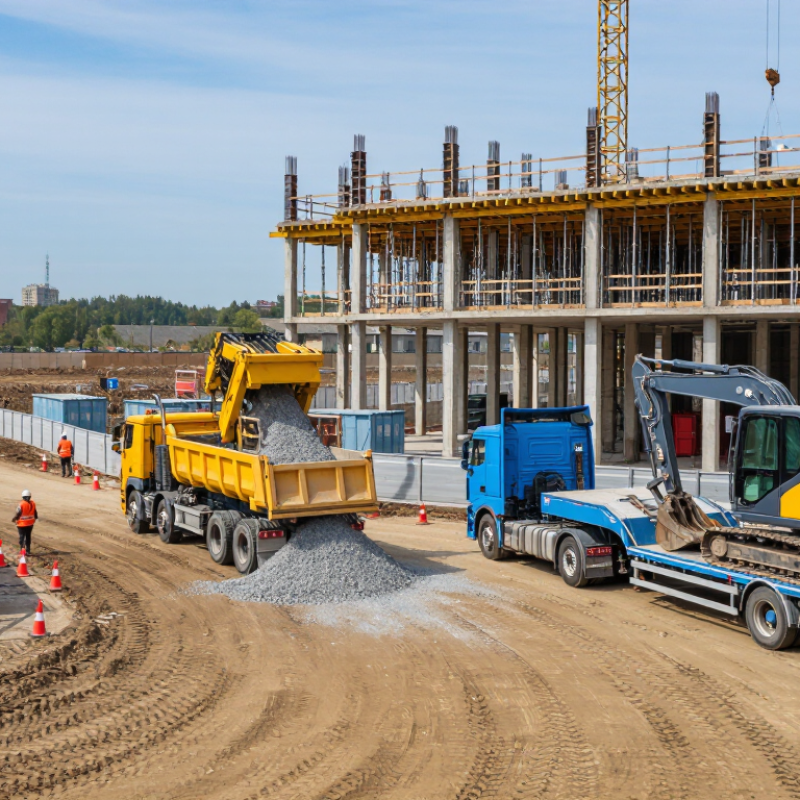
The right truck depends on what it carries and where it must go. A dump truck moves soil, gravel, and broken concrete efficiently, but tight access roads can limit its usefulness. On rough, sloped sites, an articulated hauler may handle uneven ground better. Mud changes everything. Check payload ratings and turning space before comparing truck sizes.
Flatbed trucks work well for pallets, pipes, and equipment that crews can load from the side. They need suitable tie-downs and enough room for safe loading. Concrete mixer trucks serve projects with steady pours and reliable site access; delays can affect the material’s workability. Water trucks help control dust and dampen compacted surfaces, though their tank capacity should match the area being treated.
Think about daily travel distance, ground conditions, and how often each load moves. A larger truck may seem efficient on paper, yet narrow gates or soft ground can slow the whole crew. It is easy to overlook unloading space. Compare operating costs, maintenance needs, and expected utilization, then confirm that the truck’s capacity suits the actual task—not just the busiest day. There is no perfect match for every site, and that judgment can take a second look.
How to Choose Construction Trucks for Your Business? — Compare Truck Types for Different Jobsite Tasks
| Truck Type | Best-Fit Jobsite Tasks | Typical Capacity or Capability | Key Advantages | Important Considerations |
|---|---|---|---|---|
| Dump Truck | Moving soil, sand, gravel, demolition debris, and other loose materials on roads and established jobsite routes. | Payload varies by axle configuration and local weight limits; many highway-oriented models carry roughly 10–20 tons. | Quickly unloads loose material with a tipping body; versatile for excavation, roadwork, and general site preparation. | Check legal road weights, body volume, turning space, and whether the site has firm, level ground for unloading. |
| Articulated Haul Truck | Hauling excavated material across rough, muddy, steep, or uneven terrain within large jobsites, quarries, and mines. | Common models carry approximately 25–45 tons, though capacity depends on vehicle size and configuration. | Articulated steering and purpose-built off-road design help maintain mobility on difficult terrain. | Usually intended for off-road hauling, not ordinary public-road travel; requires suitable loading, dumping, and turning areas. |
| Concrete Mixer Truck | Delivering ready-mixed concrete to foundations, slabs, columns, and other pours where fresh concrete is needed. | Drum capacity is commonly around 8–12 cubic yards (approximately 6–9 cubic metres); usable load depends on mix and regulations. | Keeps concrete agitated during delivery and supports continuous placement when deliveries are scheduled effectively. | Plan around travel time, access, washout requirements, and the concrete’s placement window. Heavy loads may limit access on weak ground. |
| Flatbed Truck | Transporting bundled lumber, steel, pipe, machinery, pallets, and other loads that can be secured on an open deck. | Payload depends on chassis, deck length, axle setup, and load dimensions; confirm the vehicle’s rated payload and tie-down capacity. | Open sides and deck make loading and unloading flexible, especially when using forklifts or cranes. | Loads need suitable restraints and, where required, permits for oversize dimensions. Weather protection is limited without covering. |
| Water Truck | Dust suppression on unpaved roads, soil conditioning, and supplying water for approved site operations. | Tanks commonly range from about 2,000 to 5,000 US gallons, depending on truck size and application. | Spray bars or hoses can distribute water across roads and work areas; tank options support different site needs. | Water adds substantial weight: 1 US gallon weighs about 8.34 lb. Verify legal gross weight, tank baffling, and access to refill points. |
| Service / Lube Truck | Bringing technicians, tools, fuel, lubricants, and selected maintenance supplies to equipment working across a large site. | Storage and fluid-tank capacity vary by body design; assess compartment layout and the payload remaining after equipment is installed. | Can reduce trips to a maintenance yard and support on-site inspections, repairs, and routine servicing. | Specify only the equipment needed for the fleet; added tanks, tools, and service bodies increase weight and maintenance complexity. |
Selection tip: Match the truck to the material, route conditions, loading equipment, and daily haul distance. Capacity figures are general planning ranges, not guaranteed specifications; verify the exact vehicle ratings, local regulations, and site requirements before purchase or rental.
Match Payload, Terrain, and Capacity to Your Work
A truck’s rated payload should match the heaviest load you carry regularly, not an occasional maximum. Estimate material weight as well as volume: a full body of dry topsoil can weigh far less than the same volume of wet clay. Check the truck’s payload rating and body capacity together. One may be reached before the other. That matters. Build in a margin for uneven loading, sticky material, and estimates that are slightly wrong.
Terrain changes what “enough capacity” means. On firm, level roads, a larger truck may move more material per trip. On soft ground, steep grades, or tight urban sites, added weight can reduce traction and make maneuvering harder. A smaller truck may reach the work area more reliably. Measure gate openings, turning space, and loading zones before choosing. Also consider ground clearance and whether the route includes muddy approaches or sharp slopes. Test the route if possible; a site plan rarely shows every rut.
Match truck capacity to the pace of loading and hauling. A high-capacity vehicle can sit idle if an excavator cannot fill it quickly, while a small body may create extra trips and fuel use. Track typical loads for a week, including material type, distance, and waiting time. The numbers may challenge your first estimate. Recheck them against the truck’s operating limits and the conditions your crew faces each day.
How to Choose Construction Trucks for Your Business
Match payload capacity to your typical load, terrain, and site conditions.
Payload figures are representative examples, not universal specifications; actual ratings vary by model and configuration. Compact and site dumpers suit confined or uneven jobsites, articulated dump trucks handle rough or soft haul roads, and rigid haul trucks are generally best for high-volume work on large, prepared routes. Check payload limits, route conditions, and local regulations before selecting a truck.
Calculate Purchase, Operating, and Maintenance Costs
Start with the work the truck will actually do: hauling heavy loads on rough sites differs from driving between paved jobs. List expected annual mileage, operating hours, payload, and typical route. Then calculate the purchase cost, including delivery, financing interest, taxes, and any required equipment. A low asking price can hide expensive financing or needed repairs. For a used truck, arrange an independent inspection and review its service records.
Estimate operating costs using realistic figures, not ideal conditions. Fuel use rises with idling, heavy loads, and stop-and-go site traffic. Include insurance, tires, fluids, and other routine supplies. Divide annual costs by expected working hours to estimate cost per hour. Leave room for downtime; a truck parked during a busy week can delay a job and affect other equipment schedules. Numbers can surprise.
Build a maintenance estimate from the service schedule and the truck’s condition. Budget for inspections, oil changes, brakes, and wear on suspension parts. Ask a qualified mechanic to flag likely repairs, but treat estimates as estimates. My spreadsheet may still miss something. Compare the truck’s full cost over your planned ownership period with the hours you expect to use it. If those hours are uncertain, test a lower-use scenario too; an extra set of tires or one unexpected repair can change the calculation.
Check Safety Features, Regulations, and Dealer Support
When choosing a construction truck, assess safety features in the conditions your crews actually face. A crowded site needs clear sightlines, effective mirrors or cameras, reliable braking, and visible warning lights. Check cab access, handholds, and steps, too; muddy boots make small design flaws matter. The U.S. Bureau of Labor Statistics reported 1,075 fatal work injuries in construction in 2023. That figure covers the industry, not trucks alone, but it underlines the stakes. Review applicable workplace and vehicle rules for your location, including requirements for inspections, load limits, lighting, and operator training. Ask the dealer to explain how the truck’s configuration supports those requirements.
Dealer support matters after delivery. Ask about technician availability, parts stock, mobile repairs, and realistic service turnaround times. Request a written maintenance schedule and a demonstration of safety systems before signing. OSHA’s construction guidance highlights hazards such as struck-by incidents and caught-in or between equipment; a dealer should explain how visibility aids and alarms work, not merely list them. Check whether training covers blind spots, reversing, and safe access around the vehicle. Get service commitments in writing. One caveat: a well-equipped truck cannot compensate for rushed training or poor site planning. Compare support promises with local references, and ask what happens when a critical part is delayed.
Related Posts
-
Why Choose Heavy Construction Equipment for Your Project?
-
Top 10 Construction Trucks in 2023 for Heavy Duty Performance and Reliability
-

Top 10 Construction Machinery Innovations Transforming the Industry
-
What are the Different Types of Heavy Machinery?
-
10 Essential Tips for Operating Heavy Machinery Safely and Efficiently?
-

Top Construction Machinery for Global Buyers in 2026?