How to Choose the Best Mini Excavators for Your Projects?
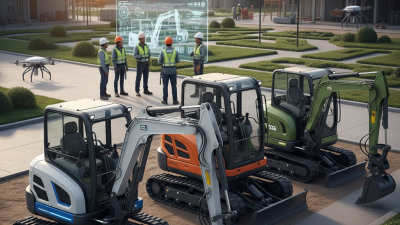
Choosing the best mini excavators for your projects requires a keen understanding of your specific needs. The global mini excavator market is projected to reach $6.6 billion by 2027, highlighting their importance in construction and landscaping. These machines excel in efficiency and maneuverability, making them suitable for tight spaces.
While selecting a mini excavator, consider the machine’s weight and digging depth. Typically, mini excavators weigh between 1 and 10 tons. This weight affects stability and transportability. It's essential to match the size to your project requirements and local regulations. Reports suggest that 40% of contractors prioritize fuel efficiency, underscoring the trend toward eco-friendly options.
However, not every model meets every project's unique demands. Some users report issues with hydraulic systems or limited accessory compatibility. A thoughtful approach is necessary when choosing. Evaluate your budget, intended use, and seek advice from reputable sources. Mini excavators can be a valuable investment, but careful selection is key for maximizing their potential.
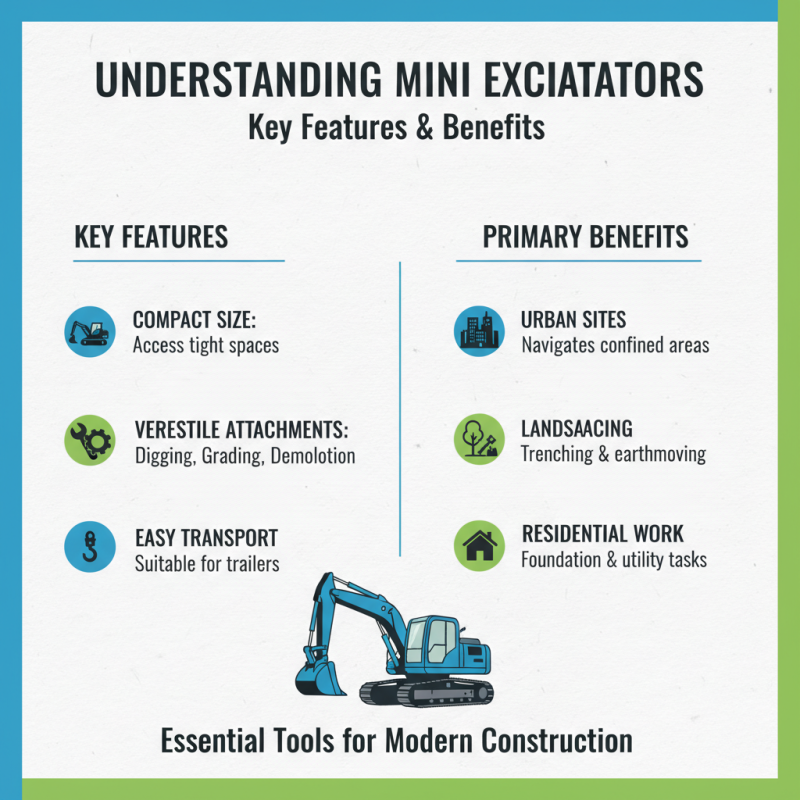
Understanding Mini Excavators: Key Features and Benefits
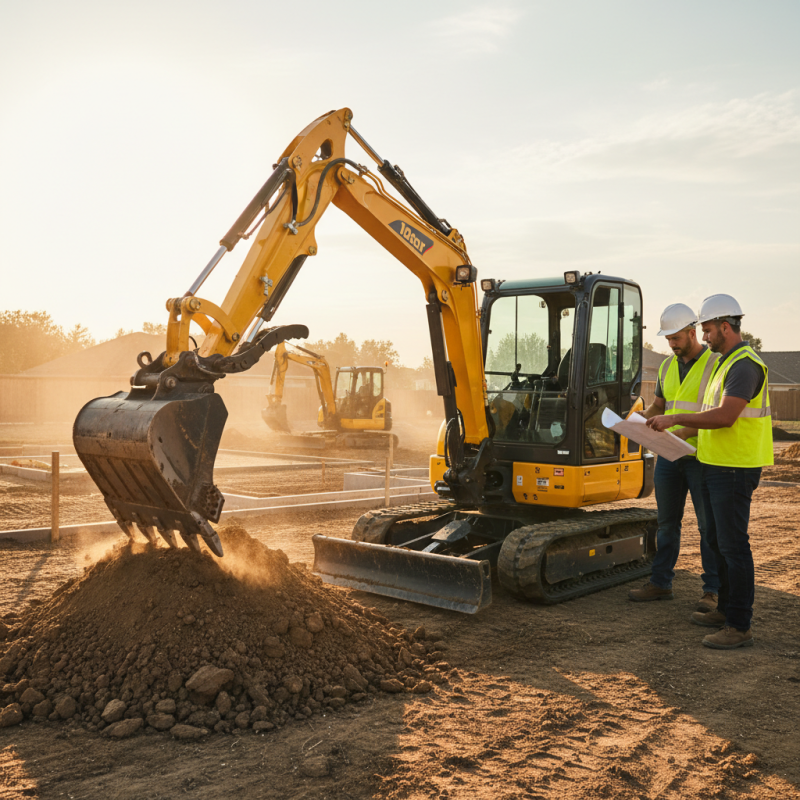
Mini excavators are essential tools for various construction projects. Their compact size allows access to tight spaces where larger machines cannot go. Many models offer versatility with attachments for digging, grading, or demolition. This makes them ideal for urban sites, landscaping, and residential work.
Key features of mini excavators include their hydraulic systems and operating weight. A robust hydraulic system ensures powerful performance for tough tasks. Models typically weigh between 1 and 10 tons. This weight range allows for precision without damaging surrounding areas. Many users appreciate the stability these machines offer, especially on uneven ground. Attention should be paid to the reach and digging depth as they vary significantly.
Maintenance is crucial for reliability. Regular checks on fluids, filters, and tracks prolong the machine's lifespan. Some operators find minor issues cropping up between service intervals. It's essential to address them early to avoid costly repairs. While mini excavators have many advantages, understanding their limitations is equally important. They may not perform well in all soil types or larger scale projects. Knowing when to employ them is key.
Assessing Project Requirements: Size, Depth, and Mobility Needs
Choosing the right mini excavator requires careful evaluation of your project needs. One key aspect to consider is size. Mini excavators come in various dimensions. Your project scope determines the ideal size. For narrow spaces, a compact model may be necessary. A smaller excavator can easily maneuver through tight areas, avoiding damage to surrounding structures.
Depth is another crucial factor. Projects may require digging to different depths. Understanding the depth requirements helps in selecting the right excavator. Some models can reach greater depths than others. If your project involves foundation digging, prioritize machines that offer this capability.
Mobility also plays a significant role. Some excavators are designed for rough terrains, while others excel on smooth surfaces. The type of ground you will be working on affects your choice. Evaluate the terrain before making a decision. Keep in mind that operational challenges may arise. Consider test runs to ensure the selected machine meets your expectations. There’s no one-size-fits-all solution; each project might require adjustments based on real-world conditions.
How to Choose the Best Mini Excavators for Your Projects? - Assessing Project Requirements: Size, Depth, and Mobility Needs
| Project Type |
Excavator Size |
Digging Depth (ft) |
Mobility Needs |
Recommended Weight Class (tons) |
| Landscaping |
Compact |
4-5 |
High maneuverability |
1-2 |
| Construction |
Standard |
6-8 |
Moderate site access |
2-3 |
| Utility Work |
Mini |
5-7 |
Limited access |
1-1.5 |
| Demolition |
Heavy-duty |
8-10 |
Flexible access |
3-4 |
| Farming |
Standard |
6-7 |
Open terrain |
2-3 |
Comparing Different Models: Performance and Specs Overview
When selecting a mini excavator, understanding the specifications and performance of different models is crucial. Look at the engine power, which typically ranges from 10 to 50 horsepower. A higher horsepower can mean better digging and lifting capabilities. Pay attention to the hydraulic system too. It affects how efficiently the machine performs tasks. A robust hydraulic system enhances productivity on the job site.
Consider the operating weight as well. Mini excavators weigh between 1,500 to 10,000 pounds. Heavier models offer stability but may be less maneuverable in tight spaces. Your project's requirements will guide this choice. Don’t forget to examine the digging depth and reach. Some models can dig up to 12 feet deep, while others may fall short. It’s essential to identify your project's needs early.
Many features can impact user experience. Comfort, visibility, and ease of operation matter. Control layout should feel intuitive. However, some operators find adjusting to new systems challenging. Reflect on your team’s experience level when selecting. Each model will have strengths and weaknesses. Identifying these ensures that you make a well-informed decision, aligning the equipment with your specific requirements.
Evaluating Budget: Costs, Maintenance, and Financing Options
When selecting a mini excavator, budget is a pivotal factor. Consider the initial cost of the machine. Prices can vary significantly based on size, features, and brand. On average, you might expect to spend anywhere from $15,000 to $50,000. This initial investment will heavily influence your project budget.
Ongoing maintenance costs are also crucial. Regular servicing is necessary to keep the mini excavator in optimal condition. Oil changes, filter replacements, and track inspections can add up. It's not uncommon for maintenance to cost around $1,000 to $2,000 annually. Planning for these expenses ensures your project remains on track.
Financing options are another key aspect. Depending on your financial situation, you might consider loans or leasing. Each option has its pros and cons. Leases can reduce upfront costs, but ownership remains with the lender. Loans lead to full ownership but often require higher monthly payments. Reflecting on these choices can help you make an informed decision, aligning with your financial capabilities.
Safety Features and Regulations: Ensuring Compliance and Protection
When selecting a mini excavator, safety features and compliance with regulations are paramount. Industry reports indicate that almost 40% of equipment-related injuries stem from inadequate safety measures. Mini excavators must be equipped with features such as rollover protective structures (ROPS) and seat belts. These elements are crucial in minimizing the risk of operator injury during accidents.
Regulatory compliance is another critical factor. According to the Occupational Safety and Health Administration (OSHA), adherence to safety standards can significantly reduce workplace accidents. Operators should verify that equipment meets ANSI standards for safety. Investing in machines that provide clear visibility and include emergency shut-off switches can further enhance on-site safety. Yet, operators must remain vigilant. Even the best safety features cannot replace adequate training and situational awareness.
Ultimately, the right choice of mini excavator extends beyond just the machine. It encompasses understanding and implementing safety regulations. Ignoring these factors can lead to serious consequences, including injuries and legal penalties. Regular safety audits and training sessions can ensure everyone on the team knows the risks involved. This focus on compliance not only protects workers but also fosters a culture of safety within the organization.
Mini Excavator Safety Feature Compliance by Category