
How to Choose a Mountain Bike in 2026?
Choosing a Mountain Bike in 2026 is not about chasing the newest frame or largest wheel size. It is about matching the bike to your real riding. A rocky trail near your home demands different control than smooth park paths or long gravel climbs. Start with terrain, distance, and confidence level. Then compare frame geometry, suspension travel, braking power, and tire width. Fit matters more. A saddle that sits too high can make a technical descent feel awkward, while a narrow handlebar may reduce control on steep, loose ground.
Reliable decisions also require careful evidence. Check manufacturer geometry charts, warranty terms, component specifications, and independent testing. A reputable local shop can measure your reach and help adjust suspension sag. Ask for a short outdoor test ride, not only a showroom spin. Test it outside. Notice how the bike climbs, turns, and stops. In 2026, electronic shifting, adjustable suspension, and advanced carbon frames may attract attention, but they can increase cost and maintenance. A simpler aluminum bike may serve a regular rider better. That is easy to overlook. I would also question impressive claims that lack clear testing conditions or long-term service information. The best choice balances performance, comfort, repair access, and budget. It should feel stable under braking, efficient uphill, and predictable when the trail becomes rough. This guide will help you make that comparison with practical standards, honest trade-offs, and safety in mind.
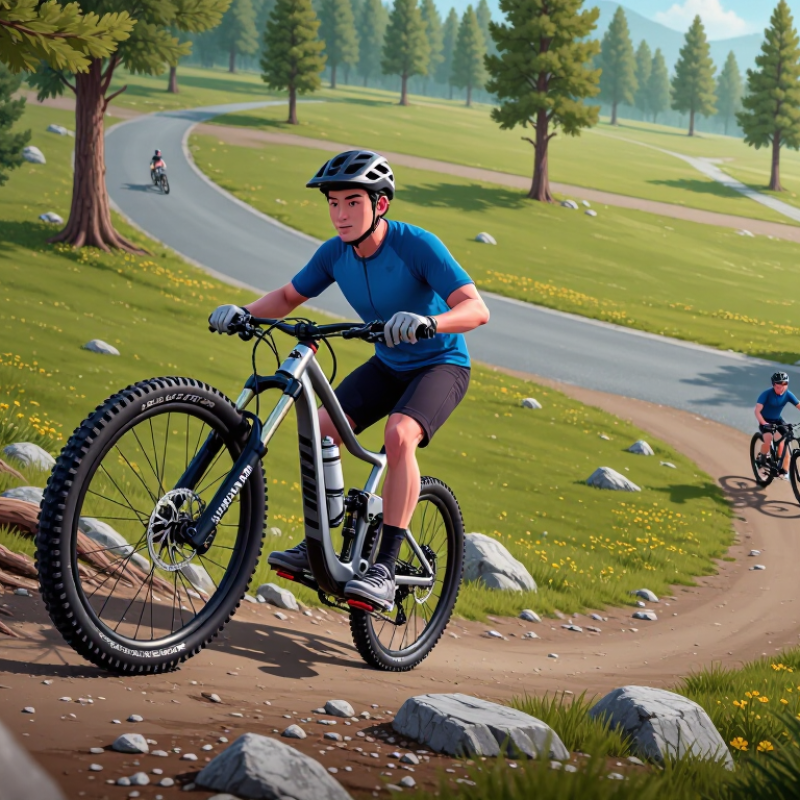
Define Your Riding Goals and Mountain Biking Environment
Choosing a mountain bike in 2026 starts with an honest question: where will you ride most often?
A bike for smooth park trails differs from one for steep, rocky descents. Define your main goal: fitness, weekend exploration, racing, or technical skill development. Be specific.
“I ride local woodland loops” is more useful than “I want versatility.”
During test rides, compare climbing effort, braking control, and body position on familiar terrain. This practical check reveals more than a specification sheet.
Your environment shapes the frame, suspension, tires, and gearing you actually need. Hard-packed paths with short climbs may suit a lighter, efficient setup. Wet roots, loose soil, and repeated rock gardens demand stronger control and dependable traction. In mountainous areas, longer descents make stable handling and consistent braking especially important.
A wide handlebar can feel confident downhill, yet awkward between trees or in a small shed.
Weather matters. Mud changes grip, maintenance, and stopping distance.
Ask a qualified technician to check fit, suspension settings, and safety-critical components. Professional cycling guidance generally recommends matching equipment to terrain, body size, and skill level. That advice is sensible, but personal testing remains essential.
I once chose aggressive tires for rare alpine trips and disliked their sluggish feel on daily paths. It was a costly reminder.
Choose for your real rides, not imagined adventures. Record your routes, elevation, surface, and discomfort after several outings. Those notes can expose poor assumptions before you spend more money.
Compare Mountain Bike Types and Their Intended Uses
How to Choose a Mountain Bike in 2026?
Compare Mountain Bike Types and Their Intended Uses
Choosing a mountain bike starts with the trail, not the price tag. I learned this after riding a heavy trail bike through flat woodland paths. Its suspension felt impressive, but it made easy climbs tiring. Cross-country bikes suit long distances, smooth climbs, and firm trails. They usually feel light, quick, and efficient. Their shorter travel can feel harsh on rocky descents, though.
Trail bikes offer a wider range of ability. They handle roots, loose stones, moderate jumps, and daily forest riding. Their balanced geometry helps beginners build control without feeling too slow. For steep descents and repeated impacts, an enduro bike provides stronger suspension and stability. That extra travel adds weight. It may also reduce climbing efficiency. Downhill bikes are more specialized. They are designed for bike parks and steep descents, not ordinary uphill rides.
Consider terrain, skill, and maintenance time. A full-suspension bike can improve comfort on rough ground, but its pivots and shock require regular inspection. A hardtail has fewer moving parts and teaches careful line choice. It can also expose poor body position quickly. I sometimes overvalued suspension travel when choosing equipment. More travel was not always better for my local trails. Measure the frame carefully, then test the reach, saddle height, and brake control. Your feet should feel stable on the pedals, with enough space to move behind the saddle. A short test ride can reveal problems that a specification sheet hides.
How to Choose a Mountain Bike in 2026? - Compare Mountain Bike Types and Their Intended Uses
Use this comparison to match a mountain bike’s design, suspension, and handling characteristics with the terrain and riding style you expect to encounter.
| Mountain Bike Type | Primary Intended Use | Typical Suspension Configuration | Typical Travel Range | Common Wheel Sizes | Typical Riding Position and Handling | Key Advantages | Main Trade-Offs |
|---|---|---|---|---|---|---|---|
| Cross-Country Hardtail | Fitness rides, smooth trails, beginner off-road riding, and efficient climbing. | Front suspension fork; rigid rear triangle. | Front: approximately 80–120 mm | 27.5 in 29 in | Efficient and responsive, with direct power transfer and relatively quick steering. | Lightweight, simple to maintain, efficient on climbs, and usually more affordable than a full-suspension bike. | Less comfort and traction on roots, rocks, drops, and rough descents. |
| Cross-Country Full Suspension | Fast trail loops, endurance events, technical cross-country courses, and long-distance off-road rides. | Front suspension fork and rear shock. | Front: approximately 100–120 mm Rear: approximately 90–110 mm | 27.5 in 29 in | Low and efficient riding position, with balanced climbing ability and improved control over uneven surfaces. | Better traction, comfort, and control than a hardtail while remaining relatively efficient. | More expensive, heavier, and more complex to service than a hardtail. |
| Trail Bike | General-purpose trail riding, varied singletrack, moderate technical terrain, and all-day adventure rides. | Front suspension fork and rear shock. | Front: approximately 120–150 mm Rear: approximately 110–140 mm | 27.5 in 29 in Mixed | Neutral and versatile, combining stable descending with practical climbing performance. | One of the most versatile categories; suitable for a broad range of trails and riding conditions. | Not as light and fast as a dedicated cross-country bike or as capable on extreme terrain as an enduro bike. |
| All-Mountain Bike | Long mountain rides involving substantial climbing, technical descents, rock gardens, and varied alpine terrain. | Front suspension fork and rear shock with a focus on descending control. | Front: approximately 140–160 mm Rear: approximately 130–160 mm | 29 in Mixed | Stable at speed but still designed to pedal efficiently between descents. | Strong balance between climbing range, descending confidence, and technical versatility. | Heavier and less efficient on smooth trails than a cross-country or lightweight trail bike. |
| Enduro Bike | Aggressive technical descents, steep terrain, rough natural trails, and timed enduro-style stages. | Long-travel front fork and rear shock, commonly with robust components. | Front: approximately 160–180 mm Rear: approximately 150–180 mm | 29 in Mixed | Slack and stable, with strong high-speed control and increased confidence on steep descents. | Excellent control through large impacts, steep sections, and rough, fast terrain. | Requires more effort on climbs and can feel less agile on smooth, low-speed trails. |
| Downhill Bike | Lift-accessed bike parks, downhill racing, jumps, drops, and the roughest sustained descents. | Long-travel dual suspension with a highly reinforced frame and components. | Front: approximately 190–200 mm Rear: approximately 190–220 mm | 27.5 in 29 in Mixed | Very stable at speed, with geometry optimized for descending rather than pedaling uphill. | Maximum descending control, impact absorption, and durability for demanding gravity riding. | Poor climbing efficiency, high weight, limited versatility, and usually requires shuttle or lift access. |
| Dirt Jump Bike | Dirt jumps, pump tracks, slopestyle-style riding, manuals, and compact urban features. | Usually a rigid rear end with a short-travel front fork; some models are fully rigid. | Front: approximately 80–100 mm, or rigid | 26 in 27.5 in | Compact, agile, and easy to maneuver in the air and through tight transitions. | Strong, playful, and well suited to jumps, tricks, and repeated hard landings. | Uncomfortable and inefficient for long rides, steep natural trails, and extended technical descents. |
| Fat Bike | Snow, sand, loose gravel, soft ground, and low-traction riding conditions. | Usually rigid; some models use a front suspension fork. | Rigid or front: approximately 60–100 mm | 26 in 27.5 in | Stable and traction-focused, with very wide tires run at low pressure. | Excellent flotation and grip on surfaces where standard mountain bike tires may sink or lose traction. | Heavy, slower on firm trails, and less precise than narrower-tire bikes on technical hardpack. |
| Electric Mountain Bike | Longer trail rides, steep climbs, repeated laps, and helping riders manage demanding terrain or distance. | Available as hardtail or full suspension, depending on the intended terrain. | Approximately 80–180 mm, depending on design | 27.5 in 29 in Mixed | Motor assistance improves climbing ability; handling depends on the bike’s suspension category and additional weight. | Extends ride range, reduces the physical effort of climbs, and makes repeated ascents more accessible. | Heavier, more expensive, dependent on battery charge, and subject to local access regulations. |
Selection tip: Choose based on your most demanding regular terrain rather than the easiest trails you ride. Travel figures, wheel sizes, geometry, and component specifications vary by frame size and model category, so use these ranges as general guidance rather than strict rules.
Choose the Right Frame Size, Wheel Format, and Suspension
Choosing a mountain bike in 2026 starts with fit, not suspension travel. I measure my inseam barefoot and compare it with the frame chart. Then I test the reach with slightly bent elbows. A frame that feels stretched can make rocky climbs awkward. A frame that feels cramped may punish your wrists on descents. Stand-over clearance matters too, especially when stopping on uneven ground. Leave a few centimeters of space. Small detail, big difference.
Wheel format changes the bike’s character. Larger wheels roll over roots more smoothly and hold speed well. They can feel slower to steer through tight switchbacks. Smaller wheels often feel lively and easier to move beneath you. Rider height is only a starting point; riding style and local trails matter more than online arguments. On mixed terrain, choose the largest wheel that still feels natural. I once selected a wheel that was too large and kept clipping corners. That mistake taught me to test, not assume.
Suspension should match the terrain, maintenance habits, and skill level. Short-travel suspension can feel efficient on flowing paths, while longer travel offers more control through repeated drops and rough landings. Check that the fork and rear shock support your weight range. Sag, rebound, and compression need careful setup, not random clicks. During a test ride, brake hard, climb seated, and cross a familiar root section. Listen for harsh bottom-outs and unwanted bouncing. Ask a qualified mechanic to inspect pivots, seals, and cable routing. Even expert advice can miss your personal fit. Leave room to reconsider.
How to Choose a Mountain Bike in 2026?
Use rider height as a starting point for frame size, then match wheel format and suspension travel to your riding style.
Frame Size
The chart shows typical rider-height ranges. Check the bike’s reach, standover clearance, and seat-tube length because sizing can vary between frame designs.
Wheel Format
27.5-inch: agile and easy to maneuver, often suitable for shorter riders. 29-inch: rolls over obstacles efficiently and maintains momentum, often preferred by taller riders and cross-country riders.
Suspension
Hardtail: efficient and low-maintenance. 120–140 mm: versatile trail use. 150–180+ mm: aggressive downhill and enduro riding.
Evaluate Components, Fit, Comfort, and Maintenance Needs
How to Choose a Mountain Bike in 2026?
Evaluate components, fit, comfort, and maintenance needs before judging appearance or price. A reliable mountain bike should match your trails, riding speed, and repair confidence. For rocky paths, hydraulic disc brakes offer controlled stopping and better heat management. Wider tires can improve grip, but they may feel slower on paved connections. Choose a simple, durable drivetrain if you ride far from repair services. More gears are not always better.
Fit affects control more than many new riders expect. When standing over the frame, leave comfortable clearance for uneven ground. Your reach should let you bend your elbows without stretching toward the handlebar. A professional fitting is useful, especially after knee, back, or wrist discomfort. Test the saddle, grips, and suspension settings on a short ride. Comfort matters.
I once focused too much on suspension travel and ignored poor handlebar pressure. That mistake made longer rides unnecessarily painful.
Tips:
Check brake pad thickness, chain wear, tire cracks, and suspension seals before buying. Ask a qualified mechanic about service intervals and replacement costs. Basic cleaning after muddy rides prevents expensive problems. Keep the chain lightly lubricated, but remove excess oil because it attracts grit. Some maintenance instructions look simple, yet adjustment errors can affect safety. If a component feels loose or braking becomes inconsistent, stop riding and seek inspection. Your preferred setup may change after several rides. That is normal.
Set a Budget and Inspect the Bike Before Buying
How to Choose a Mountain Bike in 2026?
Set a realistic budget before visiting a shop or browsing listings. The Outdoor Industry Association’s 2024 Outdoor Participation Trends Report recorded more than 10 million U.S. mountain bikers. That large user base supports a wide price range, but expensive parts do not guarantee a better ride. Keep 10–15% of your budget for a helmet, pedals, basic tools, and early adjustments. A cheaper bike may become costly after worn tires, loose cables, or damaged suspension appear.
Inspect the bike in daylight. Check the frame for cracks, deep scratches, or fresh paint around joints. Squeeze the brake levers; they should feel firm, not spongy. Spin each wheel and watch for side-to-side movement. Lift the chain and inspect stiff links. Push down the fork and rear suspension, then look for oil rings or unusual noises. The U.S. Consumer Product Safety Commission recommends checking bicycle brakes, tires, and steering components before riding, which is practical advice for every purchase.
Take a short test ride. Notice creaking. Shift through every gear under light pressure. Ask for service records, but do not trust paperwork alone. I once overlooked a slightly bent derailleur because the frame looked perfect. That mistake cost more than expected. A professional inspection is worthwhile for a used bike, although it can feel unnecessary when your budget is tight. Be willing to walk away.
