What is Construction Equipment and How Does It Impact the Industry

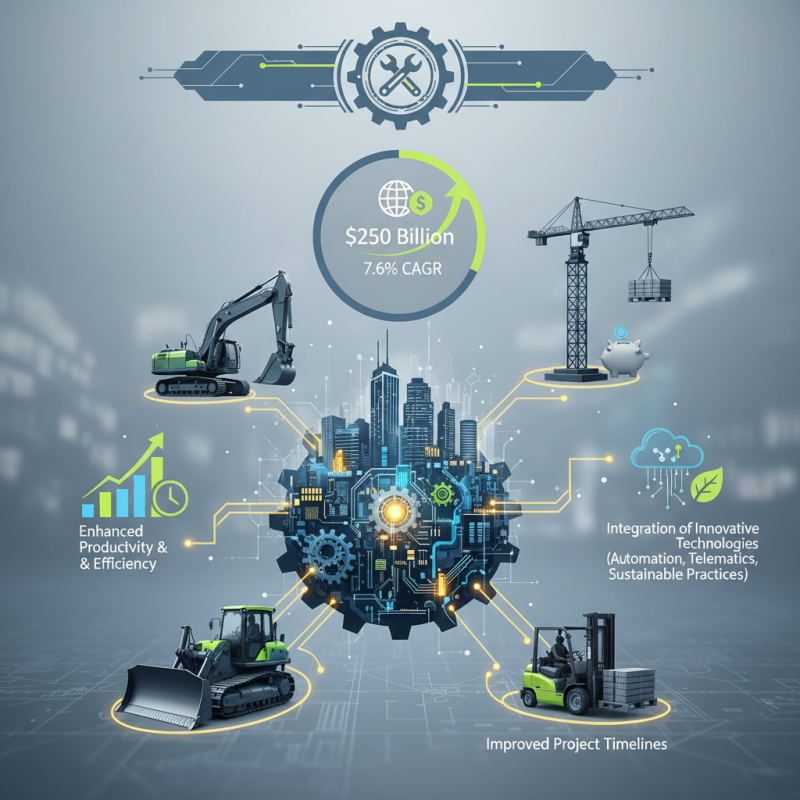
The construction industry has witnessed significant advancements over the years, with construction equipment playing a crucial role in enhancing productivity and efficiency. According to a report by ResearchAndMarkets, the global construction equipment market is expected to reach $250 billion by 2025, showcasing a compound annual growth rate (CAGR) of 7.6%. This growth reflects the increasing demand for machinery that can perform complex tasks with precision and speed, ultimately transforming the way construction projects are executed.

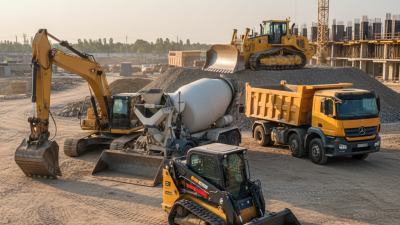
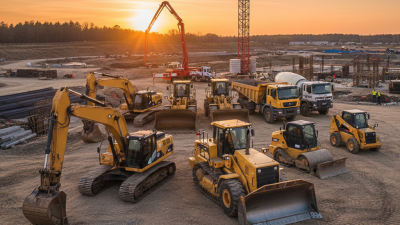
Construction equipment encompasses a wide range of machinery, from earthmoving machines like bulldozers and excavators to material handling equipment such as cranes and forklifts. These tools not only streamline operations but also reduce labor costs and improve safety on job sites. A study by the International Federation of Robotics highlights that incorporating advanced robotics into construction equipment can potentially improve project timelines by up to 20%.

As the construction landscape evolves, the integration of innovative technologies such as automation, telematics, and sustainable practices within construction equipment is becoming paramount. These developments are not only enhancing operational efficiency but also promoting environmentally conscious construction methods. Understanding the dynamics of construction equipment and its impact on the industry is essential for stakeholders aiming to thrive in this competitive market.
What is Construction Equipment and How Does It Impact the Industry

Definition and Overview of Construction Equipment

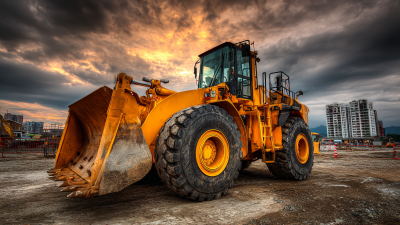
Construction equipment refers to the machinery and devices specifically designed for construction tasks. This encompasses a wide range of tools, from heavy machinery like bulldozers and excavators to smaller equipment such as drills and concrete mixers. The primary purpose of construction equipment is to enhance efficiency, safety, and the overall quality of construction projects. By automating various processes, these machines reduce manual labor requirements, allowing for faster project completion.

In the construction industry, the use of heavy equipment has revolutionized how projects are executed. With capabilities to move large volumes of earth, lift heavy materials, and support complex operations, construction equipment plays a crucial role in modern building and infrastructure development. The integration of advanced technology, such as GPS and telematics, further optimizes operations, enabling real-time monitoring and improved resource management. Consequently, the impact of construction equipment extends beyond mere functionality; it drives innovation and productivity, fundamentally shaping the industry's landscape.
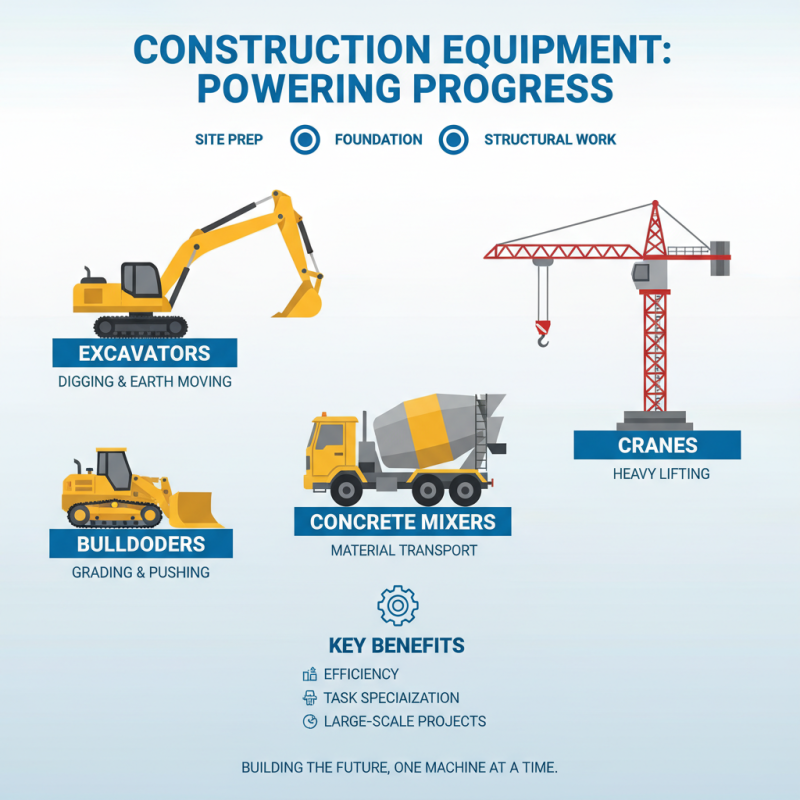
Types of Construction Equipment and Their Functions

What is Construction Equipment and How Does It Impact the Industry

Construction equipment plays a vital role in the efficiency and effectiveness of the construction industry, allowing for the completion of projects that would be difficult or impossible by manual labor alone. Various types of construction equipment serve specific functions, streamlining tasks across different phases of construction. For instance, excavators are essential for digging and moving large quantities of earth, while bulldozers are used for grading and pushing material, ensuring that sites are leveled and prepared for the next steps of construction.

In addition to heavy machinery, tools such as concrete mixers and cranes are crucial in transforming materials into structures. Concrete mixers enable the efficient mixing of concrete, which is fundamental for foundations, pavements, and structures. Meanwhile, cranes facilitate the lifting and moving of heavy materials to great heights, essential for constructing buildings and infrastructure. Each type of equipment contributes to increased productivity and safety on construction sites, ultimately impacting the overall timeline and budget of projects in the industry.

Technological Advancements in Construction Equipment

Technological advancements in construction equipment have dramatically reshaped the industry, leading to enhanced efficiency, safety, and sustainability. Innovations such as telematics, automated machinery, and 3D printing are revolutionizing traditional construction practices. According to a report by McKinsey, productivity in construction has lagged behind other sectors, but the integration of advanced technologies could boost productivity by up to 50%. This transformation not only streamlines operations but also reduces labor costs and project timelines.

Tips for selecting the right technology for your construction projects include assessing your specific project needs and budget. Explore equipment that incorporates IoT (Internet of Things) for real-time data tracking, which can help manage resources more effectively. For instance, using drones for site surveys can decrease the time spent on preliminary assessments by up to 80%, as reported by the DroneDeploy Industry Report. Embracing these technological advancements provides a significant competitive advantage in an increasingly digitized construction landscape.

Moreover, sustainability is a growing concern in construction, and modern equipment aims to address this. The use of electric machinery, which can reduce carbon emissions by up to 30%, is becoming more prevalent. Firms that adopt eco-friendly practices not only contribute positively to the environment but also appeal to a market that increasingly values sustainability. By staying updated with technological trends, construction companies can not only meet regulatory requirements but also enhance their brand reputation.

Economic Impact of Construction Equipment on the Industry

The economic impact of construction equipment on the industry is profound, influencing productivity, project timelines, and overall cost efficiency. According to a report by the Associated General Contractors of America, the use of advanced construction equipment can enhance productivity by up to 30%. This boost is crucial in a sector where margins are often tight and efficiency is vital for staying competitive. Moreover, heavy machinery like excavators and cranes not only speed up the construction process but also significantly reduce labor costs. As companies increasingly opt for mechanization, they experience a substantial reduction in project delays, which can save up to 15% on total project costs.

Additionally, the global construction equipment market has seen an upward trend, projected to reach USD 202 billion by 2027, as stated by a recent market analysis. This growth in the industry is driven by an increasing demand for infrastructure development, especially in emerging economies. The adoption of smart machinery equipped with IoT (Internet of Things) technologies further contributes to efficiency gains, allowing for real-time monitoring and maintenance. Consequently, the economic impact of construction equipment extends beyond mere financial metrics, fostering innovation and leading to more sustainable construction practices.

Future Trends in Construction Equipment and the Industry

The construction equipment industry is undergoing a significant transformation, driven by advancements in technology and a focus on sustainable practices. As companies look to enhance productivity and reduce their environmental impact, innovations such as artificial intelligence and low-carbon building solutions are becoming increasingly prevalent. These trends are not only reshaping the types of equipment used but also how they are integrated into construction processes, resulting in more efficient workflows and improved project outcomes.

Moreover, the construction equipment market in China is expected to see substantial growth, with projections indicating revenue reaching 876.6 billion yuan by 2024. This expansion reflects the broader trends within the construction industry, where factors like the increasing demand for infrastructure and stringent regulations on emissions are pushing companies to adapt and evolve. As the industry moves towards more intelligent and sustainable practices, the implications for equipment manufacturing and operational strategies will be profound, heralding a new era for construction professionals.

What is Construction Equipment and How Does It Impact the Industry - Future Trends in Construction Equipment and the Industry

Equipment Type Current Market Size (USD) Projected Growth Rate (2023-2028) Key Trends
Excavators $38 Billion 4.5% Automation, Electrification
Bulldozers $17 Billion 3.8% Remote Operation, Sustainability
Crane $25 Billion 5.0% Smart Technology, Load Monitoring
Loaders $20 Billion 4.0% Hybrid Solutions, Increased Safety
Concrete Equipment $15 Billion 3.5% 3D Printing, Enhanced Durability