What is Construction Equipment and Its Importance in the Industry?
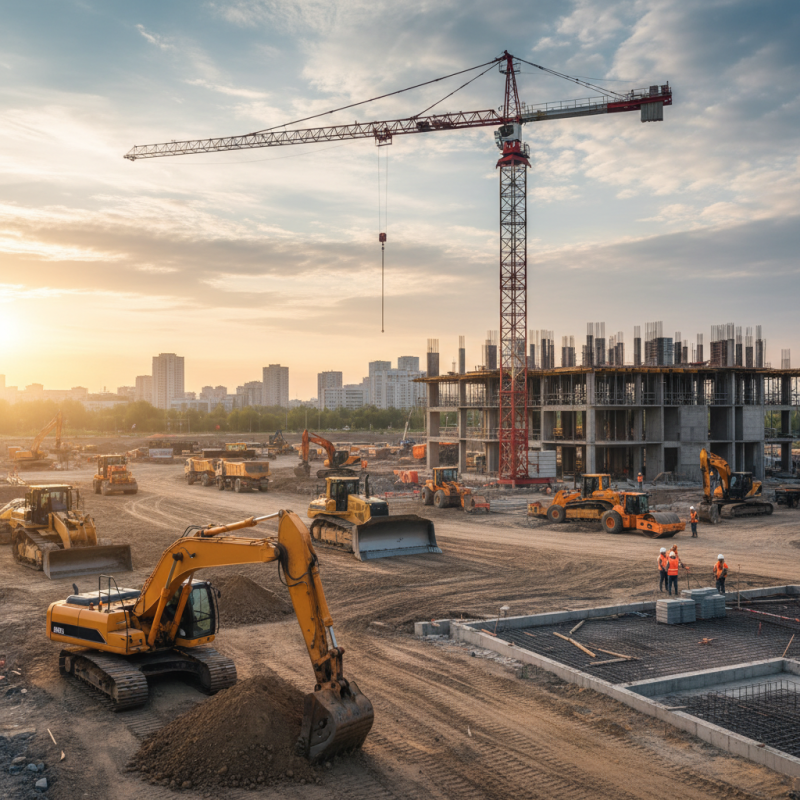
Construction equipment plays a crucial role in the building industry. This equipment includes a variety of machines. Examples are excavators, bulldozers, and cranes. Each piece helps with specific tasks.
The efficiency of construction projects heavily relies on the use of construction equipment. These machines enhance productivity and speed. However, reliance on technology can lead us astray. Often, teams overlook manual skills and basic knowledge. This can create gaps in understanding how to troubleshoot issues that arise.
Investing in the right construction equipment can significantly reduce project time and costs. Yet, choosing equipment is not always straightforward. Many companies must weigh their options carefully. They must consider both budget and project requirements. Ultimately, construction equipment shapes our built environment. Its importance cannot be overstated.
What is Construction Equipment? An Overview
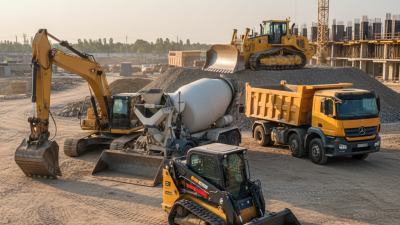
Construction equipment encompasses a wide variety of machinery used on construction sites. This includes excavators, bulldozers, cranes, and concrete mixers. Each piece of equipment plays a specific role in ensuring projects run smoothly. According to industry reports, investment in construction equipment is projected to grow by 4% annually until 2025, highlighting its increasing importance in modern construction.
These machines enhance productivity and efficiency, making tasks faster and safer. For instance, using a crane can significantly reduce manual labor, decreasing worker fatigue and injuries. However, many projects still experience delays due to the improper use of equipment. This is an area for reflection. Regular training and maintenance should not be overlooked. A study shows that up to 30% of construction delays arise from equipment failure.
**Tip:** Regularly inspect machinery. Small issues can lead to big problems.
It's vital to understand that the correct choice of equipment is essential. The wrong machinery can lead to inefficiencies or even accidents. While some companies rush to save costs, this can backfire. Investing in well-suited equipment is often more economical in the long run.
**Tip:** Evaluate equipment needs before purchasing. It saves time and resources.
What is Construction Equipment and Its Importance in the Industry?
| Equipment Type |
Primary Function |
Importance |
Common Applications |
| Excavators |
Digging and earthmoving |
Essential for site preparation and trenching |
Foundations, road construction, landscaping |
| Bulldozers |
Pushing large quantities of soil |
Critical for large-scale earthmoving operations |
Site clearing, grading, and road work |
| Cranes |
Lifting and moving heavy objects |
Facilitates construction of tall structures |
Building construction, bridge erection |
| Backhoes |
Excavation and material handling |
Versatile for small to medium jobs |
Utility work, landscaping, and small demolitions |
| Compactors |
Soil and asphalt compaction |
Important for creating stable foundations |
Roads, pavements, and foundations |
Types of Construction Equipment and Their Functions
Construction equipment plays a crucial role in the industry. Various types serve specific functions.
Excavators are vital for digging deep foundations or trenches. Their long arms and powerful buckets can handle tough soil and rock.
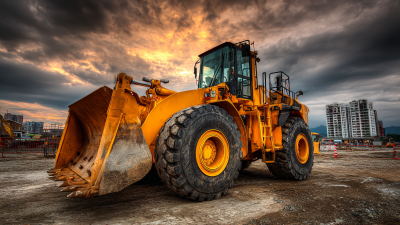
Bulldozers push large quantities of material across job sites. They level ground for buildings or roadways with ease.
Concrete mixers mix and transport materials to construction sites. A consistent mixture is essential for structural integrity.
Cranes lift heavy loads to great heights, enabling workers to place materials accurately. After all, safety and efficiency are paramount in construction. However, relying too heavily on machinery can lead to accidents.
Operators need training, and equipment must be well-maintained.
While construction equipment enhances productivity, it also presents challenges. Improper use can result in delays or damage. Understanding each machine’s limitations is necessary.
Workers should not become overly dependent on technology. A balance between skilled labor and equipment use is essential for success in construction projects.
Market Trends: Growth of the Construction Equipment Industry
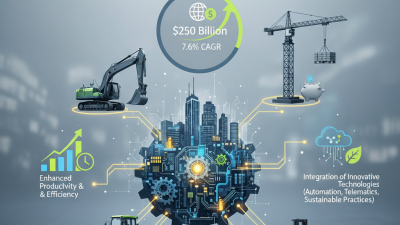
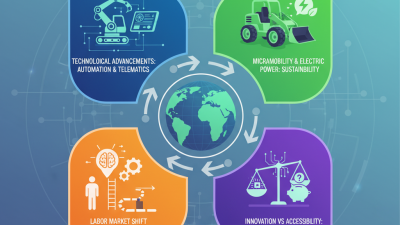
The construction equipment industry is experiencing rapid growth. This demand is driven by urbanization and infrastructure projects worldwide. Countries are investing heavily in construction to improve living conditions. A significant boom is seen in emerging markets, where construction needs are soaring. New technologies are being integrated into machinery to boost productivity.
Sustainability is becoming a vital trend in the market. Many companies are now focusing on eco-friendly equipment. This shift may be a response to climate change challenges. However, the increased cost of such technologies can be a barrier for smaller firms. Fresh challenges arise as traditional equipment may fall behind in efficiency and effectiveness.
The rise of automation is reshaping the landscape. Construction sites are now utilizing advanced robotics for tasks. Yet, this transition could lead to job displacement. Workers must adapt or risk being left behind. Balancing innovation with workforce stability is crucial. The industry must constantly reflect on these changes and their societal impacts.
Growth of the Construction Equipment Industry (2020 - 2025)
This bar chart illustrates the projected growth of the global construction equipment market from 2020 to 2025. The data indicates a steady increase in market size, highlighting the industry's recovery and expansion in response to increasing infrastructure demands and technological advancements.
Impact of Construction Equipment on Project Efficiency and Safety
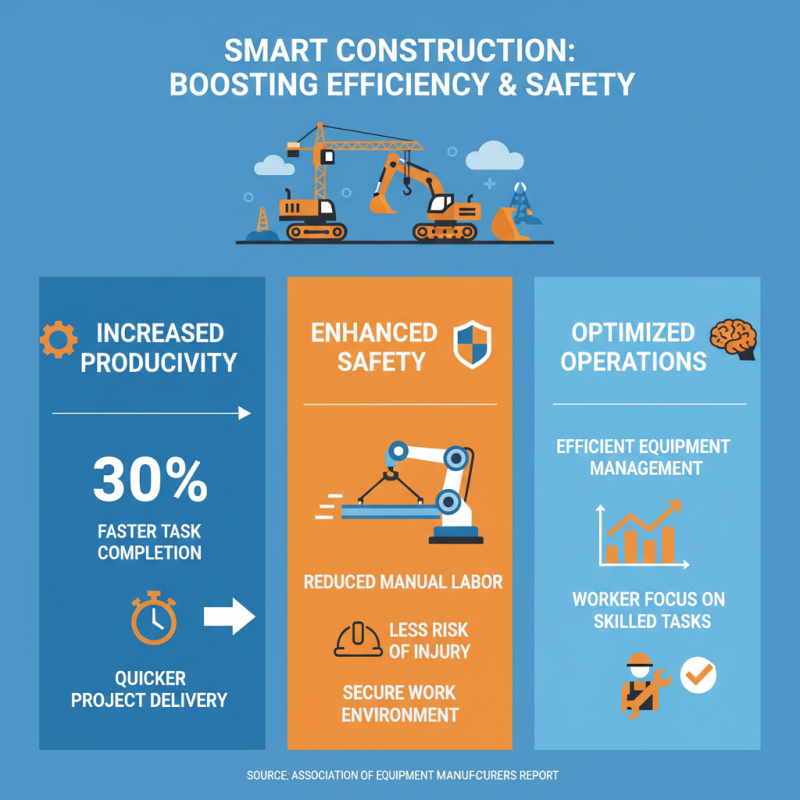
Construction equipment plays a crucial role in enhancing project efficiency and safety on construction sites. According to a report by the Association of Equipment Manufacturers, effective equipment management can boost productivity by up to 30%. This increase results from quicker execution of tasks, leading to faster project completion times. With machines handling heavy lifting, workers can focus on more complex tasks, contributing to overall efficiency.
Safety is another critical aspect. The National Safety Council states that construction site injuries drop by 27% when modern equipment is utilized. Heavy machinery not only reduces human error but also mitigates risks associated with manual labor. However, not all projects invest sufficiently in proper equipment training. A study showed that 43% of site accidents were attributed to a lack of operator training. This gap calls for more stringent training and supervision measures.
In addition, the environmental impact of heavy equipment cannot be overlooked. While many machines are now designed to be more eco-friendly, there is still a long way to go. Some construction firms do not prioritize sustainable practices. Balancing efficiency, safety, and environmental responsibility remains a challenge for the industry. Addressing these issues is vital for improving construction outcomes in the long run.
Future Innovations in Construction Equipment Technology
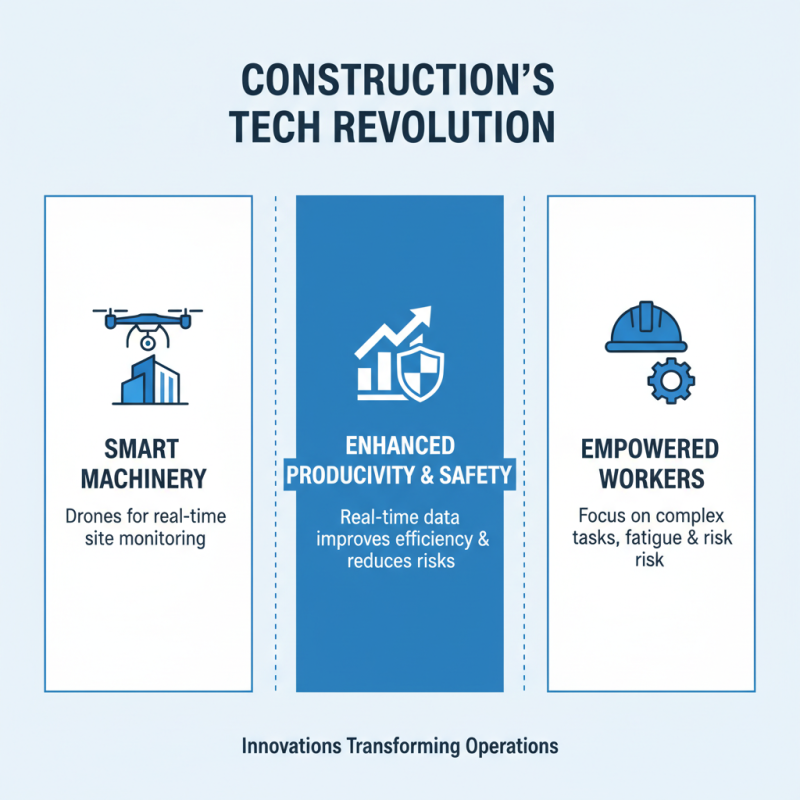
The construction industry is on the verge of a technological revolution. Innovations in construction equipment are transforming operations. Smart machinery, like drones, allows for real-time site monitoring. This enhances productivity and safety. Workers can focus on more complex tasks, minimizing fatigue and risk.
Artificial intelligence and machine learning are key players. These technologies analyze data to optimize workflow. Predictive maintenance can reduce downtime. It's crucial to implement user-friendly interfaces for operators. Intuitive design can lead to better adoption rates among workers.
Sustainability is another focal point. Eco-friendly equipment reduces carbon footprints. However, costs can be high, posing challenges for smaller firms. Balancing innovation and affordability is necessary. The construction sector must adapt continuously. Embracing these changes may lead to better outcomes. Yet, it requires commitment and an open mindset.