What Is Construction Equipment Rental and How Does It Work?
Construction equipment rental gives contractors access to excavators, cranes, loaders, and other machines without requiring full ownership. It supports short projects, seasonal demand, emergency repairs, and growing companies with limited capital. The process appears simple. A contractor selects equipment, confirms availability, reviews the rental terms, and arranges delivery to the jobsite.
Chris Sleight, managing director of Off-Highway Research, has described the practical principle this way: “Rental is not just about getting a machine; it is about getting the right machine at the right time.” That idea matters. A compact excavator may suit a backyard drainage project, while a larger crawler excavator may be necessary for deep foundation work. Equipment size affects productivity, transport, fuel use, and site safety.
The rental company usually explains operating requirements, maintenance responsibilities, insurance expectations, and return conditions. Some agreements include delivery, routine servicing, attachments, or operator support. Others place more responsibility on the renter. Read the details carefully.
A low daily rate can mislead.
Transport fees, fuel charges, cleaning costs, idle time, and late returns may increase the final price. Experienced contractors compare the complete rental cost, not only the advertised rate. They also inspect tires, tracks, hydraulic lines, controls, and safety features before accepting delivery.
Construction equipment rental is efficient, but it is not automatically economical. Poor planning can create delays. This guide explains how the model works, what renters should check, and where practical risks often appear. It also recognizes an uncomfortable truth: the cheapest machine may become the most expensive choice.
What Construction Equipment Rental Means and Why It Is Used
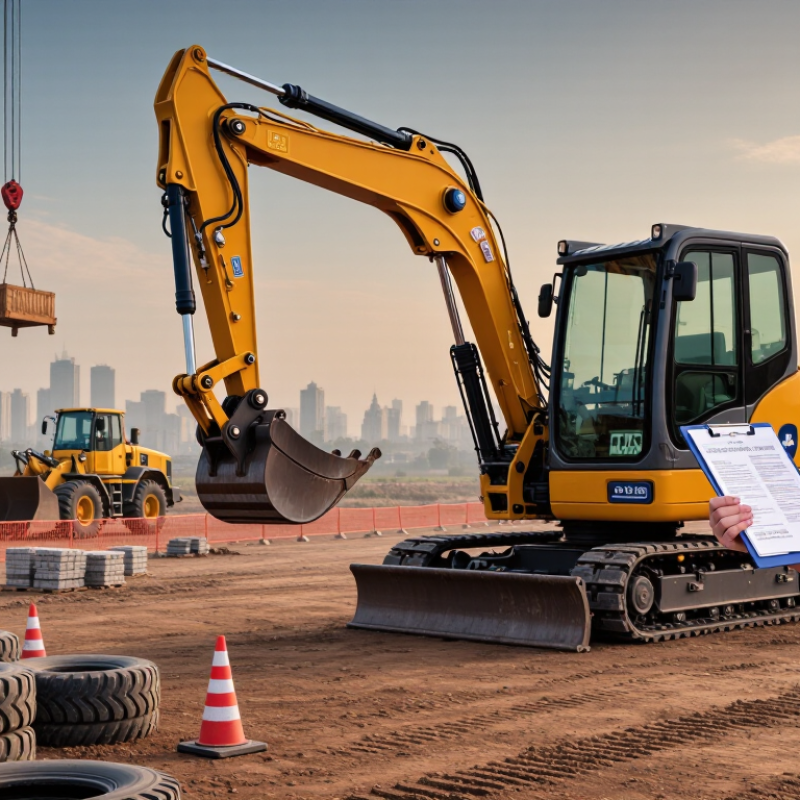
Construction equipment rental means hiring machinery for a limited period instead of purchasing it. Contractors pay a daily, weekly, or monthly fee to use equipment such as excavators, loaders, lifts, or compactors. The rental agreement usually covers the rental period, transport, maintenance responsibilities, and operating requirements.
This service is used when a project needs equipment that a company does not own. A small builder may rent an excavator for a foundation job lasting ten days. A road crew may hire a compactor only during paving work. Rental reduces large upfront costs and avoids storing machines between projects. It can also provide access to newer equipment with better safety features and fuel efficiency.
The process should begin with a careful site assessment. Soil type, working space, load limits, and project deadlines all affect equipment selection. An experienced rental coordinator can match machine capacity with the actual task. However, the cheapest daily rate can be misleading. Delivery fees, fuel use, attachments, insurance, and overtime charges may change the final cost. I have seen planning errors occur when teams measured only the digging depth, not the machine’s turning space. That detail matters. Before use, operators should inspect controls, tires or tracks, warning systems, and visible damage. Trained operation remains essential, even when the machine arrives ready to work.
Which Types of Construction Equipment Can Be Rented
What Is Construction Equipment Rental and How Does It Work?
Construction equipment rental lets contractors use machinery for a defined period without purchasing it. The rental provider usually confirms availability, operating hours, delivery details, and insurance requirements. Contractors should compare the machine’s capacity with the project’s actual conditions, not only its advertised specifications.
Which Types of Construction Equipment Can Be Rented
Earthmoving equipment is widely rented for excavation and grading. Excavators handle trenches, foundations, and material removal. Mini excavators suit narrow yards and lighter utility work. Skid steer loaders move soil, gravel, and debris in confined areas. Backhoe loaders combine digging and loading functions, which can help smaller crews.
Larger projects may require wheel loaders, bulldozers, or motor graders. Wheel loaders transport loose materials efficiently. Bulldozers push soil across rough ground. Motor graders create smoother surfaces for roads and site preparation. Lifting equipment includes telescopic handlers, mobile cranes, and scissor lifts. Each requires careful attention to load limits, ground stability, and working height.
Concrete work may need mixers, pumps, screeds, or power trowels. Compactors and rollers improve soil and asphalt density. Generators, light towers, and air compressors support sites with limited utilities. Attachments can change a machine’s purpose, but compatibility is easy to overlook. It happens. A pre-rental inspection should check tires, hydraulics, controls, safety guards, and visible leaks. Rental estimates can be imperfect when weather delays or ground conditions change, so experienced planners leave time and equipment flexibility.
| Equipment Type | Primary Category | Typical Construction Uses | Common Power Source | Typical Rental Period | Operator Requirement | Important Rental Considerations |
|---|---|---|---|---|---|---|
| Excavator | Earthmoving Equipment | Digging foundations and trenches, removing soil, loading material, demolition, and grading with suitable attachments. | Diesel engine; compact models may use electric power. | Daily, weekly, or monthly | Usually requires a trained and authorized operator. | Check operating weight, digging depth, bucket capacity, attachment compatibility, ground conditions, and transport requirements. |
| Backhoe Loader | Earthmoving Equipment | Excavating trenches, moving aggregate, backfilling, utility installation, and light demolition. | Diesel engine | Daily to monthly | Usually requires a trained operator. | Useful for projects needing both a front loader and a rear excavating arm; verify digging reach and road-travel provisions. |
| Skid-Steer Loader | Material Handling Equipment | Site clearing, grading, loading, snow removal, trenching, and material handling with interchangeable attachments. | Diesel engine; electric models are also available. | Daily, weekly, or monthly | Requires a trained operator; local rules may apply. | Choose wheels or tracks according to the surface; confirm rated operating capacity, lift height, and hydraulic flow for attachments. |
| Wheel Loader | Material Handling Equipment | Loading trucks, moving soil and aggregate, stockpiling materials, and clearing large work areas. | Diesel engine | Weekly or monthly | Requires a trained operator. | Evaluate bucket volume, tipping load, turning radius, tire condition, fuel use, and haul distance. |
| Crawler Dozer | Earthmoving Equipment | Rough grading, pushing soil, clearing land, spreading fill, and preparing slopes or foundations. | Diesel engine | Weekly to monthly | Requires a trained operator. | Track width, blade type, machine weight, ground pressure, and transport arrangements affect suitability and cost. |
| Motor Grader | Roadwork Equipment | Fine grading, road construction, drainage slope preparation, shoulder maintenance, and surface leveling. | Diesel engine | Weekly or monthly | Requires a highly skilled operator for accurate grading. | Confirm blade length, moldboard articulation, steering configuration, and required grade tolerance. |
| Telescopic Handler | Lifting Equipment | Lifting pallets, placing materials at height, loading and unloading, and handling materials on uneven terrain. | Diesel engine | Daily to monthly | Requires trained personnel; lifting rules may require additional certification. | Review load charts, maximum reach, attachment type, ground stability, outriggers, and overhead clearance. |
| Rough-Terrain Crane | Heavy Lifting Equipment | Lifting structural components, placing equipment, and handling heavy loads on prepared or uneven sites. | Diesel engine | Daily, weekly, or project-based | Requires a qualified operator and an appointed lifting team where required by local regulations. | Lift planning should consider load weight, radius, boom length, counterweight, ground bearing capacity, and wind limits. |
| Scissor Lift | Aerial Work Platform | Indoor and outdoor overhead installation, electrical work, painting, maintenance, and finishing tasks. | Battery-electric for many indoor models; diesel or hybrid power for outdoor models. | Daily to monthly | Requires trained and authorized users. | Select according to platform height, capacity, platform dimensions, terrain, indoor emissions limits, and aisle width. |
| Boom Lift | Aerial Work Platform | Accessing elevated and difficult-to-reach areas for construction, installation, inspection, and maintenance. | Battery-electric, diesel, or hybrid power | Daily to monthly | Requires trained and authorized users. | Check horizontal outreach, working height, platform capacity, articulation, wind restrictions, and fall-protection requirements. |
| Forklift | Material Handling Equipment | Moving pallets, unloading deliveries, placing materials, and transporting loads across suitable surfaces. | Electric battery, diesel, propane, or other approved fuels | Daily to monthly | Requires trained and authorized operators. | Match capacity to the load center, assess surface conditions, and verify mast height, tire type, and indoor ventilation needs. |
| Plate Compactor | Compaction Equipment | Compacting granular soil, pavers, driveways, walkways, trenches, and small asphalt repair areas. | Gasoline, diesel, or battery-electric power | Daily or weekly | Basic equipment training is required; follow site safety procedures. | Consider plate size, operating weight, vibration frequency, soil type, noise, and work-area access. |
| Single-Drum Roller | Compaction Equipment | Compacting soil, subbase, embankments, and other large earthwork areas. | Diesel engine | Daily to weekly | Requires a trained operator. | Review drum width, vibration settings, operating weight, slope capability, and required compaction depth. |
| Concrete Mixer | Concrete Equipment | Producing concrete or mortar for slabs, footings, repairs, masonry, and small construction projects. | Electric motor, gasoline engine, or diesel engine | Daily or weekly | Usually does not require a special license, but safe-use training is necessary. | Confirm drum capacity, batch size, electrical supply, water access, cleaning requirements, and delivery access. |
| Generator | Temporary Power Equipment | Supplying temporary electricity for tools, lighting, pumps, site offices, and emergency backup. | Diesel, gasoline, natural gas, or battery systems | Daily to monthly | Requires competent electrical and fuel-handling practices. | Calculate starting and running loads, confirm voltage and phase, provide ventilation, and use proper grounding and distribution equipment. |
Rental availability, pricing, delivery terms, operator requirements, and safety regulations vary by location, equipment size, project conditions, and rental agreement.
How the Construction Equipment Rental Process Works
Construction equipment rental is a practical process for accessing machines without purchasing and storing them permanently. According to the American Rental Association’s 2024 forecast, U.S. construction and industrial equipment rental revenue was expected to reach about $56.4 billion. That demand reflects changing project schedules, financing pressure, and the need for flexible machinery.
The process usually starts with a site review. A contractor identifies the required task, ground conditions, lifting limits, fuel needs, and rental duration. An experienced rental advisor then matches equipment capacity with the work, not just the requested model. The agreement should show daily or weekly rates, delivery charges, operating limits, maintenance responsibilities, and return conditions. Check the details carefully.
Before delivery, the site needs a clear access route and stable unloading area. At arrival, the renter should inspect guards, tires, attachments, controls, warning lights, and visible damage. Photos and written notes create a reliable record. The supplier should provide operating instructions, service contacts, and safety documentation. The U.S. Bureau of Labor Statistics reported 1,069 construction fatalities in 2022, so equipment familiarization cannot be treated as paperwork.
During the rental, operators should record hours, refueling, faults, and unusual noise. Planned maintenance normally follows the supplier’s instructions, while serious defects require immediate reporting. When the project ends, clean the machine, remove attachments, and confirm pickup timing. The final inspection may reveal disputed damage. A rushed handover can create avoidable costs. The process looks simple, but field conditions often expose weak planning.
How the Construction Equipment Rental Process Works
The chart shows a typical planning timeline for renting common construction equipment. Availability, transport distance, project size, and local demand can change the actual schedule.
Typical planning benchmark: smaller machines are often arranged within one to two business days, while larger or specialized equipment may require several days for availability checks, transport, and site coordination.
What Rental Costs, Terms, and Responsibilities Usually Include
What Is Construction Equipment Rental and How Does It Work?
Construction equipment rental means paying for temporary access instead of purchasing machinery outright. The American Rental Association’s 2024 forecast estimated U.S. construction and industrial equipment rental revenue at $56.4 billion. That figure reflects strong demand for flexible project costs. Rental agreements usually state the machine, rental period, rate, deposit, delivery charge, and operating limits.
The daily rate is only one part of the bill. Weekly and monthly rates often reduce the average cost, but extensions may trigger a new billing cycle. Customers usually pay for fuel, transport, cleaning, and damage beyond ordinary wear. Insurance requirements can also apply. Some contracts include a damage waiver, although exclusions need careful reading. Ask whether taxes, attachments, operator training, and standby hours are included.
Responsibilities must be practical and specific. The renter normally inspects the machine, reports defects, follows load limits, and secures it after work. The rental provider generally handles scheduled maintenance and major mechanical faults. However, misuse can shift repair costs to the renter. Site managers often photograph existing scratches before delivery. Small detail. It prevents arguments later. The awkward truth is that a low daily rate can become expensive after transport, idle time, and late return fees. Industry forecasts are useful, but local availability and job conditions can change the real cost. A written estimate remains safer than a verbal promise.
How to Choose, Operate, and Return Rented Equipment Safely
Construction equipment rental lets contractors access excavators, lifts, loaders, and compactors without buying or storing them. The American Rental Association’s 2024 forecast estimated U.S. equipment rental revenue at about $78.7 billion. That scale reflects strong demand, but availability does not guarantee a suitable machine.
Choose equipment by task, ground conditions, working height, rated capacity, and transport limits. Ask for maintenance records and the operator manual. Before operation, inspect tires, guards, hydraulic lines, alarms, controls, and safety labels. Photograph existing damage.
On site, check overhead hazards, slopes, underground services, and pedestrian routes. Use the seat belt and keep people outside the machine’s swing area. The U.S. Bureau of Labor Statistics reported 1,069 fatal construction work injuries in 2022. Routine checks are not paperwork theater. They can prevent a rushed decision.
Tips: Keep the inspection form inside the cab. Test emergency stops before production work. Never exceed the load chart. Stop when visibility disappears.
At return, clean soil from tracks, refuel as agreed, lower attachments, remove personal items, and report faults honestly.
Record operating hours and damage with clear photos. A small crack may look harmless, yet it can worsen under vibration. I have seen teams treat return checks as an afterthought; that is a mistake worth revisiting.
Related Posts
-
How to Choose the Best Construction Equipment Rental?
-
Top 10 Earth Moving Equipment Rental Companies in China?
-
Top 10 Earth Moving Equipment Rental Tips for Global Buyers
-
Why Choose Construction Equipment Rental for Your Projects?
-
China Top 10 Trackhoe Rental Companies for Global Buyers
-
2026 Top Equipment Rental Trends to Watch Out For?