10 Essential Tips for Operating Heavy Machinery Safely and Efficiently?
Operating heavy machinery involves inherent risks. According to the Occupational Safety and Health Administration (OSHA), around 75% of construction site accidents involve heavy equipment. These incidents can lead to severe injuries or fatalities. Workers often overlook safety protocols, showing the need for better training.
Efficient operation of heavy machinery requires both skill and focus. It's crucial to maintain equipment and conduct regular safety checks. A reported 10% of workplace injuries arise from poorly maintained machines. Operators often underestimate the impact of distractions, which can lead to serious accidents.
Adopting a safety-first mindset can reduce incidents. Operators must be aware of their surroundings and communicate effectively. Every year, numerous accidents are attributed to a lack of proper safety measures. Hence, ongoing training and vigilance are essential. Heavy machinery operation is a responsibility that demands respect and thorough understanding.
Understanding the Basics of Heavy Machinery Operation
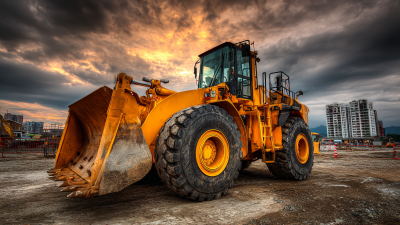
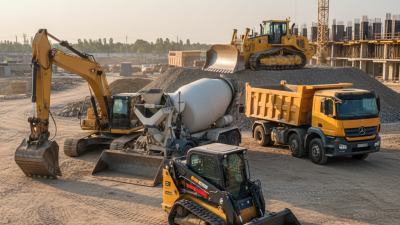
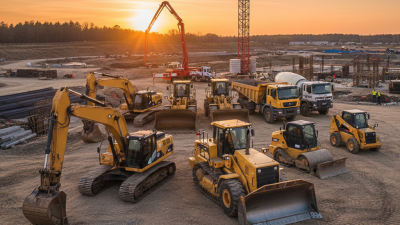
Understanding the basics of heavy machinery operation is crucial for safety and productivity. An estimated 2.3 million people work in construction, where heavy machinery is commonplace. This machinery includes excavators, bulldozers, and cranes. Each type has unique operational characteristics. Operators must understand these nuances to avoid accidents.
Proper training is essential. According to the Occupational Safety and Health Administration (OSHA), improper operation led to over 34,000 injuries in 2019 alone. Training programs should cover equipment limitations, load capacities, and blind spots. Effective communication among team members is vital for safety. Operators must feel confident in their skills but also aware of their limitations.
Daily inspections of machinery can prevent malfunctions. Many operators skip this step, assuming everything is fine. Yet, this oversight can lead to serious incidents. Regular maintenance checks are not just a recommendation; they are a necessity. Equipment and operator performance can greatly affect overall site safety. Understanding these basics can drastically reduce risks.
Key Safety Precautions When Operating Heavy Equipment
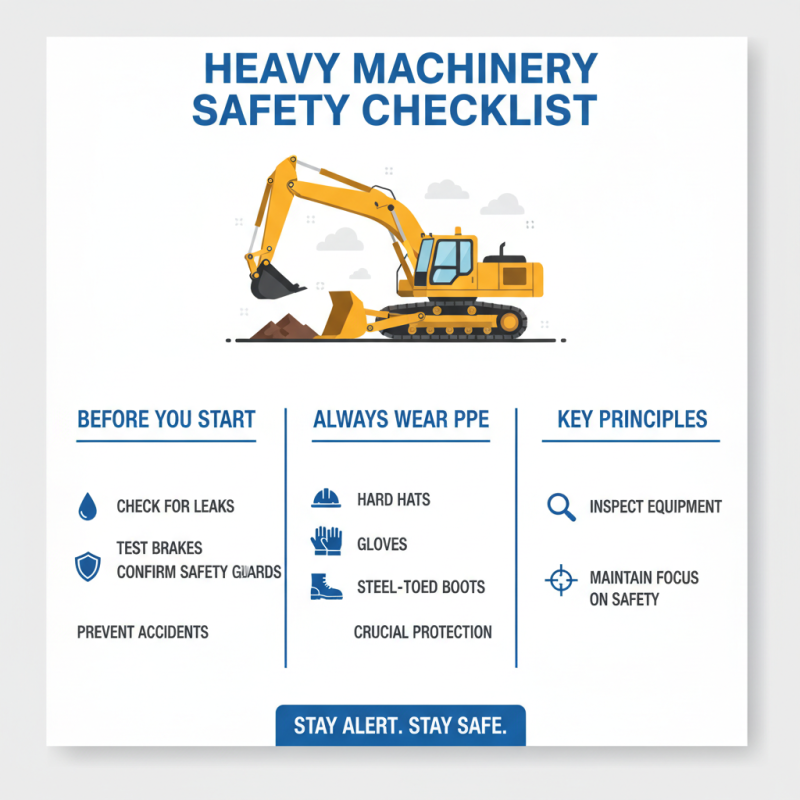
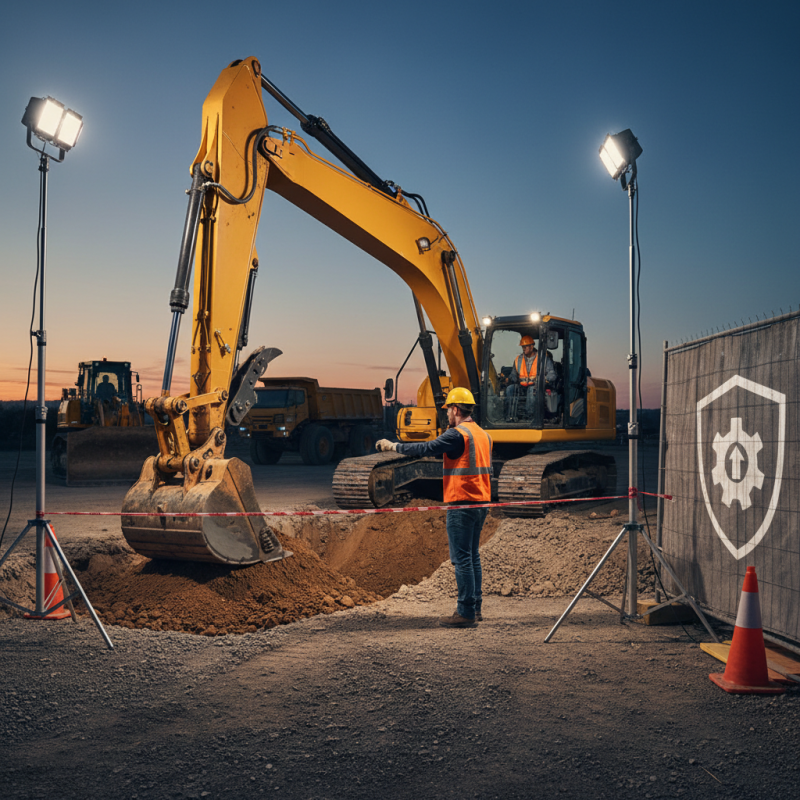
Operating heavy machinery requires a focus on safety. Before you start, inspect your equipment. Check for leaks, ensure brakes function, and confirm that all safety guards are in place. These simple steps can prevent accidents. Always wear appropriate personal protective equipment. This may include hard hats, gloves, and steel-toed boots. Each piece offers crucial protection.
Be mindful of your surroundings. Look for overhead hazards or unstable ground. Awareness can help you avoid dangerous situations. Communicate effectively with coworkers to ensure everyone is on the same page. Use hand signals when vision is limited. Remember, a moment of distraction can lead to serious consequences.
Every operator should know how to respond to emergencies. This includes shutting down machinery quickly. Review emergency protocols regularly. Reflect on the importance of these practices. Sometimes, we overlook routines. Reassessing them can improve overall safety and efficiency on the job site.
Importance of Proper Training and Certification for Operators
Proper training and certification are critical for heavy machinery operators. According to the Occupational Safety and Health Administration (OSHA), improper operation contributes to 22% of all workplace fatalities in the construction sector. This alarming statistic highlights the consequences of inadequate training. Operators must know how to handle machinery safely and efficiently. They should also understand the equipment's limitations and capabilities.
Certification ensures that operators are well-versed in safety protocols and regulatory requirements. A recent study by the National Institute for Occupational Safety and Health (NIOSH) found that trained operators are 50% less likely to be involved in accidents. Training helps minimize human error, which can lead to costly mishaps. Understanding machinery controls, maintenance checks, and work site hazards are essential skills that training provides. However, training is often rushed or incomplete in some organizations, leading to dangerous situations.
The challenge lies not just in providing training, but in ensuring it is effective. Many operators express discomfort with their readiness after training sessions. Some feel unprepared to handle unexpected situations. According to a survey, 30% of heavy machinery operators revealed they would benefit from more hands-on practice. This gap in practical experience could jeopardize safety. Organizations should commit to elevating their training standards, emphasizing both knowledge and real-world application.
Regular Maintenance Checks for Safe Machinery Performance
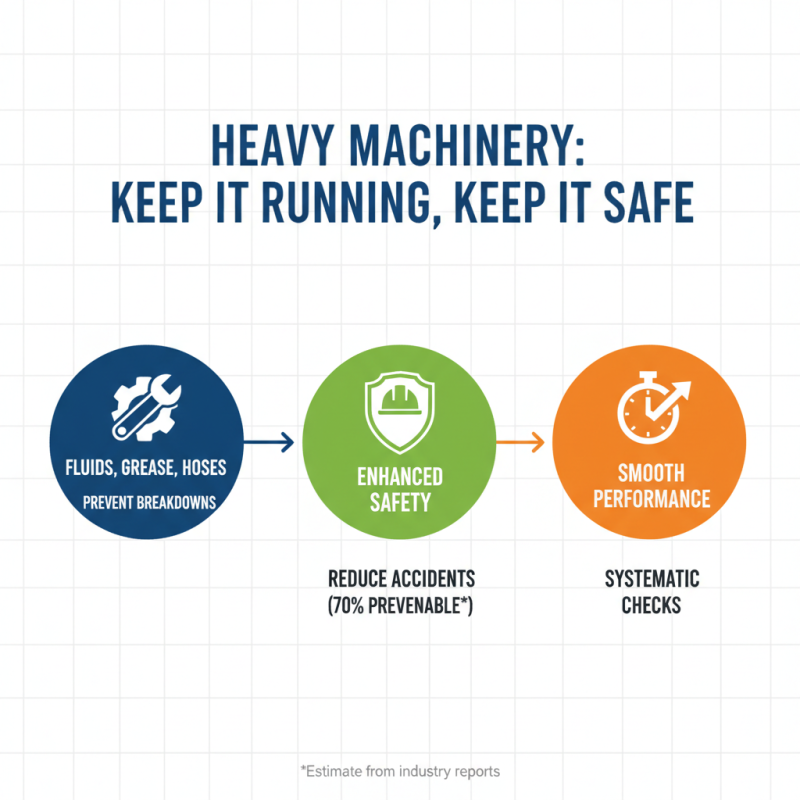
Regular maintenance checks are vital for heavy machinery performance. They not only ensure equipment runs smoothly but also enhance safety on the job site. A systematic inspection can highlight potential issues before they become serious problems. For instance, checking fluid levels, grease points, and hoses can prevent breakdowns. It’s estimated that many accidents occur due to overlooked maintenance.
Scheduling these checks is key. Daily inspections can catch minor faults that might escalate. Operators should be trained to spot unusual sounds or vibrations. A loose bolt or a small leak shouldn't be ignored. Such problems can lead to bigger failures down the line. Maintenance logs are also important; they allow tracking of repairs and replacements. However, it’s common for logs to be incomplete or inaccurate.
A culture of safety helps in adhering to maintenance schedules. Teams should communicate openly about any issues they notice. A strong emphasis on safety and attention to detail can reduce incidents. Sometimes, it's easy to brush off routine tasks in favor of productivity. This choice can lead to regret. Machinery is a significant investment and deserves proper care.
Effective Communication and Team Coordination on Job Sites
Effective communication and team coordination are critical on job sites, especially when operating heavy machinery. According to a report from the National Safety Council, nearly 20% of construction workplace injuries are related to equipment operation. Clear and constant communication among team members can significantly reduce this risk. Establishing designated signals or using two-way radios helps ensure everyone is on the same page. This can minimize misunderstandings, which often lead to accidents.
Moreover, team coordination plays a vital role in maintaining efficiency. A study from the Occupational Safety and Health Administration (OSHA) indicates that poor communication can delay project timelines by up to 30%. Team members must verify that everyone understands their roles during machinery operation. Regular briefings before tasks can help. These meetings should address any concerns about the machinery and the surroundings, allowing team members to voice uncertainties. A culture of openness fosters better decision-making.
It's essential to reflect on past experiences. Many teams have faced setbacks due to inadequate communication. Lessons learned should be integrated into future practices. By consistently evaluating communication methods, a job site can enhance both safety and efficiency, ultimately leading to more productive outcomes.