
How to Ship Heavy Equipment Internationally in 2026?
Shipping a bulldozer, crane, or industrial generator across borders in 2026 requires more than booking ocean space. It demands accurate dimensions, verified weight, secure packing, suitable equipment, and careful route planning. One missing measurement can change the loading method, port choice, or final delivery cost. Sometimes, a single centimeter matters.
John Manners-Bell, CEO of Transport Intelligence, has said, “Resilience is not about avoiding disruption; it is about being prepared to respond.” That principle fits heavy equipment shipping closely. Weather delays, port congestion, customs inspections, and equipment shortages can disrupt even a well-planned move. Reliable shippers therefore prepare alternative routes, confirm documentation early, and maintain clear communication with carriers, brokers, and receivers.
This guide explains how to ship heavy equipment internationally in 2026. It covers transport modes, permits, export packaging, insurance, customs requirements, and destination delivery. It also examines practical details, such as using flat-rack containers, roll-on/roll-off vessels, or breakbulk services. A machine may leave a factory in perfect condition, yet arrive with damaged hydraulic lines or exposed control panels. Protection cannot be treated as an afterthought.
No plan is flawless. Fuel prices change. Port rules evolve. Some estimates remain uncertain until the carrier inspects the cargo. That is why experienced teams document every assumption, recheck measurements, and leave realistic time buffers. The goal is not simply moving heavy machinery overseas. It is moving it legally, safely, predictably, and ready for work when it arrives.
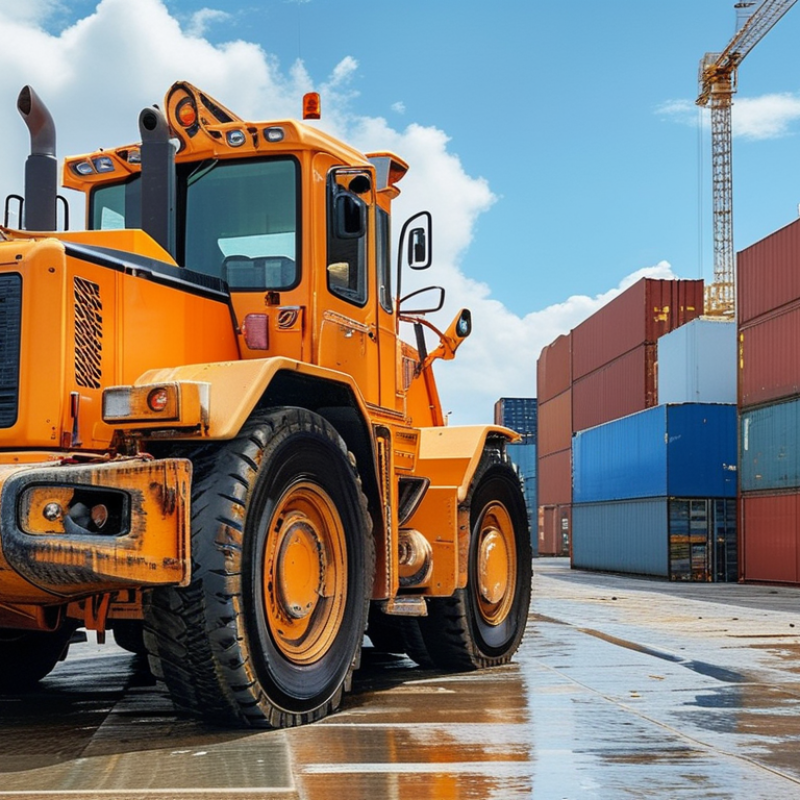
Define the Equipment, Shipment Scope, and International Requirements
How to Ship Heavy Equipment Internationally in 2026?
Define the equipment before discussing freight rates. Record the machine’s make, model, serial number, dimensions, gross weight, and center of gravity. Measure twice. Include attachments, spare parts, fuel residue, batteries, and hydraulic fluid. A crane, excavator, and production line require different handling plans. In project reviews, I have seen a missing attachment change the load from standard cargo to an oversized shipment.
Next, define the shipment scope in writing. State whether the service includes dismantling, packing, inland transport, port handling, loading, customs documentation, insurance, and final delivery. Photograph lifting points and note fragile controls, exposed cylinders, and removable counterweights. Confirm the container or vessel method only after checking height, width, axle limits, and lifting capacity. One early estimate was wrong because the quoted weight excluded the counterweight.
International requirements must match both origin and destination rules. Confirm the correct tariff classification, commercial invoice details, packing list, certificate of origin, import permits, and inspection needs. Check whether the equipment must be cleaned, drained, secured, or treated for timber packaging. Battery systems and residual fluids may require additional declarations. Requirements can change during a project. Recheck them before dispatch. A customs broker, carrier, and qualified engineer should review the same equipment data, not separate assumptions.
Select the Transport Method and Prepare Heavy Equipment for Transit
How to Ship Heavy Equipment Internationally in 2026?
Shipping heavy equipment internationally in 2026 starts with a realistic transport decision. The machine’s dimensions, weight, destination, and loading points determine the safest option. Roll-on/roll-off works well for self-propelled machinery with usable tires or tracks. Flat racks suit oversized units that exceed standard container height. Breakbulk shipping may handle exceptional dimensions, but it needs tighter port coordination. Air freight is faster, yet its cost can be difficult to justify for excavators or generators. Ask the carrier for a route survey, not only a price.
Preparation should begin with a measured equipment profile. Record length, width, height, gross weight, center of gravity, and lifting points. Drain fuel and hydraulic fluids when required by carrier and destination rules. Secure loose arms, buckets, mirrors, doors, and batteries. Protect exposed cylinders with caps and weather-resistant wrapping. Use certified chains, blocks, and straps rated for the actual load. Photograph each side before loading. These images can clarify condition disputes later. Check that serial numbers and shipping documents match. Small errors happen. They can still delay a vessel.
Tips: Clean soil, mud, and plant material from the undercarriage before inspection. Confirm crane capacity and deck clearance at every transfer point. Mark the center of gravity visibly. Keep a contingency budget for port storage or repacking. I once underestimated clearance by a few centimeters. The correction cost more than expected. Build time for inspections, because schedules rarely remain perfect.
How to Ship Heavy Equipment Internationally in 2026? - Select the Transport Method and Prepare Heavy Equipment for Transit
| Transport Method | Best Suited For | Typical Capacity or Size Guidance | Typical Ocean Transit Range | Advantages | Key Limitations |
|---|---|---|---|---|---|
| Roll-on/Roll-off (RoRo) | Self-propelled construction, agricultural, mining, and industrial machinery | Cargo must generally be mobile or loaded on a mafi trailer; dimensions and weight are accepted on a vessel-by-vessel basis | Approximately 2–8 weeks, excluding inland transport and port waiting time | Efficient loading, reduced lifting, and suitable for large wheeled or tracked equipment | Limited sailing schedules; equipment may need to be operational or towable; exposure to port handling conditions |
| Flat Rack Container | Oversized machinery that cannot fit inside a standard dry container | Common platforms are approximately 20 ft or 40 ft long; payload, width, height, and overhang limits vary by equipment and route | Approximately 3–7 weeks | Provides standardized ocean handling for out-of-gauge cargo and allows crane loading | Over-dimensional charges may apply; cargo is exposed and requires engineered securing and lifting plans |
| Breakbulk Vessel | Very large, heavy, or irregular equipment that cannot be containerized | Cargo capacity is arranged according to vessel crane capacity, hatch dimensions, deck strength, and port facilities | Approximately 3–10 weeks | Suitable for exceptional dimensions and heavy lifts; flexible cargo configurations | Fewer sailings, more complex port coordination, and potentially higher handling costs |
| Standard Dry Container | Compact or partially disassembled equipment and spare parts | A 20 ft container commonly carries about 26–28 metric tons of cargo, subject to container tare, road limits, and carrier rules; internal dimensions are approximately 5.9 m long × 2.35 m wide × 2.39 m high | Approximately 3–7 weeks | Good protection from weather, broad port coverage, and predictable intermodal handling | Strict internal dimensions and weight limits; machinery may require dismantling |
| Air Freight | Urgent replacement parts, compact high-value components, and time-critical accessories | Subject to aircraft door size, cargo height, pallet dimensions, and chargeable weight; complete heavy machines are usually impractical | Approximately 1–7 days of flight and handling time | Fastest international option and useful for minimizing equipment downtime | High cost, strict acceptance requirements, and limited capacity for oversized or heavy cargo |
Heavy Equipment Preparation Checklist
| Preparation Area | Recommended Action | Practical Data or Target | Purpose |
|---|---|---|---|
| Clean the Equipment | Remove soil, plant residue, grease buildup, and loose debris | Pay special attention to tracks, wheel wells, undercarriages, buckets, and attachments | Supports agricultural and biosecurity inspections and reduces contamination risk |
| Drain Fluids | Drain or secure fuel, hydraulic fluid, coolant, and other liquids according to carrier requirements | Keep only the minimum fuel needed for loading and safe movement when permitted | Reduces leakage, fire, environmental, and hazardous-material risks |
| Disconnect the Battery | Disconnect and protect battery terminals; secure batteries in accordance with transport rules | Prevent movement, short circuits, and accidental activation during handling | Improves safety during loading, storage, and inspection |
| Measure and Weigh | Record total length, width, height, gross weight, axle loads, and center of gravity where available | Measure the cargo in its actual shipping configuration, including attachments and packaging | Determines transport method, permits, lifting requirements, and shipping charges |
| Secure Moving Components | Lock booms, arms, blades, forks, buckets, doors, panels, and articulated joints | Use rated chains, webbing, blocking, and bracing suitable for the cargo weight and motion risk | Prevents shifting, impact damage, and injury during transit |
| Protect Sensitive Parts | Cover control panels, exposed cylinders, electrical connectors, and hydraulic fittings | Use moisture-resistant covers while allowing ventilation where condensation could form | Limits corrosion, water intrusion, dust, and mechanical damage |
| Prepare Documents | Prepare the commercial invoice, packing list, transport instructions, export information, and any required certificates | Ensure serial numbers, descriptions, quantities, values, weights, dimensions, and country-of-origin data are consistent | Reduces customs delays, data discrepancies, and incorrect duty assessment |
| Document Condition | Photograph all sides, attachment points, controls, existing damage, and the secured load before handover | Record photographs with the inspection date and retain signed condition reports | Creates evidence for insurance claims and delivery-condition verification |
| Confirm Route Requirements | Check inland road restrictions, port access, lifting equipment, permits, and destination import rules | Verify bridge limits, road width, overhead clearance, axle limits, and delivery-site access before dispatch | Prevents failed delivery attempts, rehandling, fines, and unexpected storage charges |
Note: Capacity, transit time, documentation, hazardous-material rules, and dimensional limits vary by origin, destination, carrier, vessel, port, and local regulations. Confirm final requirements before booking.
Complete Customs Documents, Permits, and Import Compliance
How to Ship Heavy Equipment Internationally in 2026?
Shipping heavy equipment requires more than a strong trailer and a reliable vessel. Customs compliance often determines whether the machine moves smoothly or waits at the port.
Prepare a commercial invoice with the correct transaction value, currency, buyer, and seller details. Include a precise HS code, not a general machinery description. Customs officials may also request a packing list, bill of lading, certificate of origin, and insurance documents. Record the machine’s serial number, model, year, dimensions, and gross weight. Take clear photographs before loading.
Permits depend on the equipment and destination. Some countries regulate emissions, safety systems, pressure components, or used machinery. The importer of record should confirm these requirements with local customs authorities before shipment. A licensed customs professional can review tariff rates, valuation rules, and possible duty relief. Do not assume a temporary import applies automatically.
Small errors become expensive.
A missing serial number can delay release. An incorrect weight can disrupt port handling and inland transport. I have seen documents prepared too quickly, with measurements copied from an old machine. That mistake was avoidable, but common. Build a document checklist and compare every entry against the equipment itself. Keep translated certificates when required, and retain records for the period specified by the destination authority. Rules change, and an older compliance file may no longer be sufficient.
Arrange Secure Loading, Cargo Insurance, and Ocean or Air Transport
Shipping heavy equipment internationally in 2026 requires more than booking transport. Secure loading begins with accurate measurements, verified weight, and a clear center-of-gravity assessment. Cranes, generators, excavators, and industrial units may shift during lifting or ocean movement. Use certified lifting points whenever possible. Inspect slings, chains, ramps, and blocking materials before loading. Photograph each stage. These records support safer handling and clearer claims.
The equipment should be secured against sliding, tipping, vibration, and moisture. Blocking and bracing must match the machine’s weight and frame strength. Do not rely only on parking brakes or hydraulic pressure. A loading supervisor should check tie-down angles and tension before the container or trailer leaves. I would also recheck the load after a short inland journey. Small movement can become expensive damage. Plans are sometimes too optimistic.
Cargo insurance should reflect the equipment’s real replacement value, packing costs, freight, and possible recovery expenses. Review exclusions carefully, especially for rust, mechanical failure, poor preparation, or unattended loading. Keep invoices, inspection reports, serial numbers, and loading photographs together. Ocean transport usually suits oversized machinery and offers practical cost control, though schedules can change. Air transport is faster but requires strict limits on dimensions, weight, batteries, fuel residue, and packaging. Ask the carrier to confirm acceptance before final preparation. One overlooked measurement can cancel the booking.
How to Ship Heavy Equipment Internationally in 2026?
Nominal payload capacity of common ISO dry containers for ocean transport
Container payload figures are calculated from typical ISO maximum gross weight ratings of 30,480 kg minus representative tare weights: approximately 2,300 kg for a 20-foot general-purpose container, 3,750 kg for a 40-foot general-purpose container, and 3,900 kg for a 40-foot high-cube container. Actual limits depend on the container, carrier, route, road regulations, cargo dimensions, and loading plan. Oversized equipment may require flat-rack, open-top, breakbulk, Ro-Ro, or air freight solutions. Secure the cargo with engineered blocking and lashing, verify weight distribution, and arrange cargo insurance before transport.
Track Delivery, Manage Port Handling, and Complete Final Unloading
Shipping heavy equipment internationally requires more than booking ocean space. A reliable process begins with accurate cargo data. Record the machine’s length, width, height, weight, lifting points, and center of gravity. Use clear photos before loading. Share these details with the carrier, port team, and receiving crew. Track each milestone, including pickup, loading, vessel departure, transshipment, and arrival. Keep records. Unexpected route changes can affect schedules, storage costs, and labor planning.
Port handling needs careful coordination. Confirm whether the terminal can accept the equipment’s dimensions and weight. Ask about cranes, ramps, lifting frames, storage areas, and inspection procedures. Send packing lists and handling instructions before arrival. A missed document can delay release. Weather can also stop crane operations. Build time into the plan. Do not rely only on online tracking; request written updates when the cargo reaches a critical port.
Final unloading is often the most underestimated stage. Inspect the access road, turning radius, ground strength, overhead clearance, and unloading area several days ahead. Confirm the required crane or specialized trailer with qualified local operators. Keep the equipment secured until the area is ready. I once saw a delivery plan change because soft ground could not support the planned crane. The revised method cost more and took longer. That experience reinforced one practical lesson: verify site conditions in person whenever possible. Delivery is not complete when the truck arrives. It is complete when the equipment is safely positioned, inspected, and accepted.
Related Posts
-
Top 10 Heavy Equipment Shipping Companies in China
-
How to Choose the Best Heavy Equipment Shipping Services?
-

Top Aftermarket Undercarriage Parts for Heavy Equipment Buyers?
-

2026 Top Excavator Rental Services for Construction Projects?
-
Top 10 Volvo Construction Equipment Parts You Need for Optimal Performance
-

How to Source Undercarriage Parts at the 139th Canton Fair?