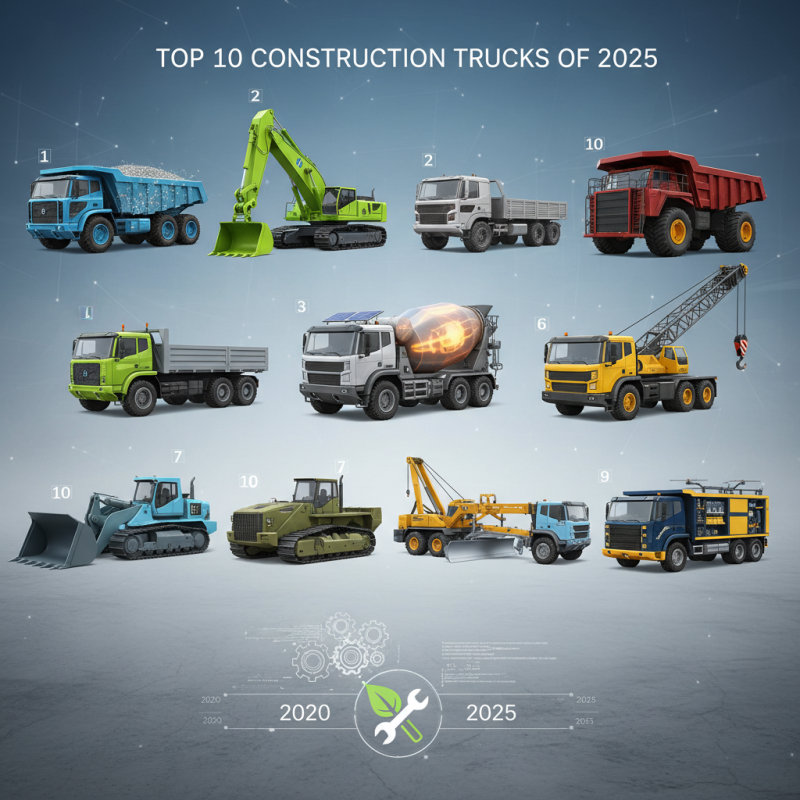
Top 10 Construction Trucks of 2025: Best Picks for Your Heavy-Duty Needs
In the ever-evolving world of construction, the role of heavy-duty vehicles cannot be overstated. Construction trucks are the backbone of any major project, providing the power and efficiency needed to transport materials and equipment across challenging terrains. As we look ahead to 2025, advancements in technology and engineering are set to redefine the capabilities of these machines, making them more reliable, durable, and environmentally friendly.
This guide highlights the top 10 construction trucks for 2025, focusing on models that excel in performance, capacity, and innovative features. With a growing emphasis on sustainability and cost-effectiveness in construction practices, selecting the right truck has never been more critical. Our picks cater to a variety of heavy-duty needs, ensuring that construction professionals can find the ideal vehicle that meets their operational demands. Whether you're involved in large-scale infrastructure projects or smaller commercial builds, the right construction truck will enhance productivity and contribute to the overall success of your endeavors.
Overview of Heavy-Duty Construction Trucks in 2025
As the construction industry continues to evolve, the demand for heavy-duty construction trucks is more pronounced than ever, especially in 2025. According to a report by the Global Heavy-Duty Truck Market Analysis, the sector is expected to experience a growth rate of approximately 4.5% annually as construction projects become increasingly complex and connectivity technology enhances vehicle capabilities. These trucks not only serve as pivotal tools for transporting materials but also play a crucial role in improving overall project efficiency, demonstrating the critical need for high-performance vehicles that can withstand rigorous demands.
The trend towards electrification and eco-friendliness is compelling manufacturers to rethink their designs. The 2025 benchmarking report by the International Construction Equipment Association indicates that construction firms are focusing on trucks that offer both power and lower emissions, responding to regulatory pressures and client expectations for sustainable practices. In this context, heavy-duty trucks equipped with advanced technologies such as telematics and enhanced safety features are becoming essential. These innovations not only optimize logistics but also ensure adherence to safety protocols on challenging job sites. Thus, 2025 is set to redefine what heavy-duty construction trucks can achieve, positioning them as essential partners in meeting the challenges of modern construction.
Top 10 Construction Trucks of 2025: Best Picks for Your Heavy-Duty Needs
| Model |
Payload Capacity (lbs) |
Engine Type |
Fuel Efficiency (mpg) |
Maximum Towing Capacity (lbs) |
Price Range ($) |
| Heavy-Duty Truck A |
30,000 |
Diesel |
12 |
35,000 |
70,000 - 80,000 |
| Heavy-Duty Truck B |
28,000 |
Gasoline |
14 |
33,000 |
60,000 - 70,000 |
| Heavy-Duty Truck C |
32,000 |
Diesel |
11 |
40,000 |
75,000 - 85,000 |
| Heavy-Duty Truck D |
25,000 |
Gasoline |
15 |
30,000 |
50,000 - 60,000 |
| Heavy-Duty Truck E |
29,000 |
Diesel |
13 |
38,000 |
65,000 - 75,000 |
Key Features to Consider When Choosing a Construction Truck
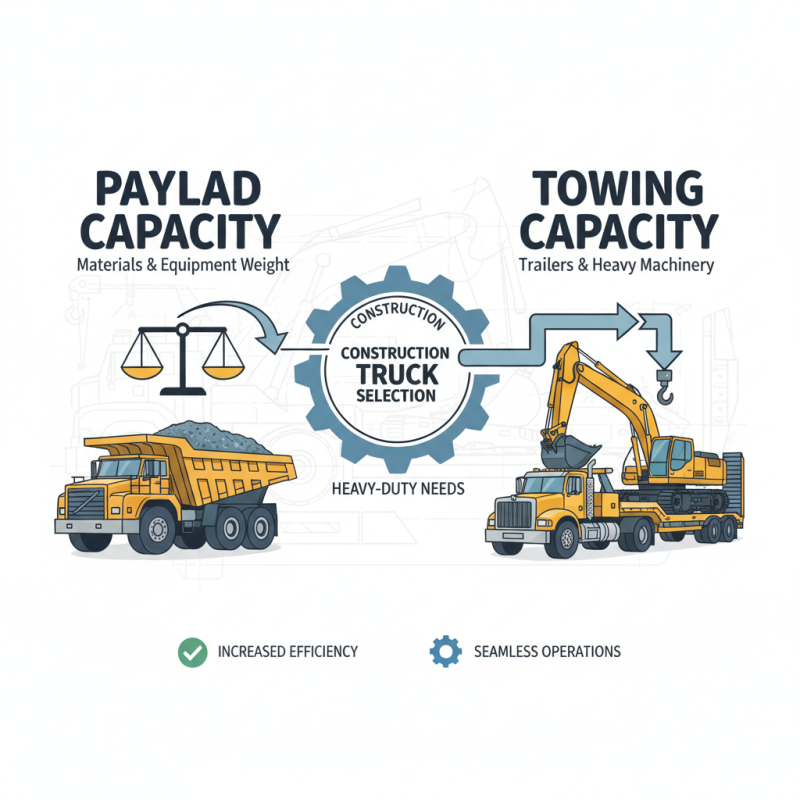
When choosing a construction truck, several key features should be carefully considered to ensure that it meets your heavy-duty needs. Firstly, payload capacity is crucial; a truck must be able to handle the weight of the materials and equipment it will transport. Look for a model that offers a high payload rating to increase efficiency on the job site. Additionally, consider the towing capacity, as many construction tasks require transporting trailers or heavy machinery. Ensuring that the truck can manage these demands is vital for seamless operations.
Another important aspect is the drivetrain configuration. Trucks available in four-wheel drive (4WD) or all-wheel drive (AWD) offer enhanced traction and stability on rough terrains, which is often a requirement for construction sites. Additionally, evaluate the engine power and fuel efficiency, as these factors will directly affect operational costs and the truck's overall performance. Before making a decision, it’s essential to assess the cab space and comfort features as well, especially for long hours on the road. A well-designed interior can significantly reduce driver fatigue and improve productivity throughout the workday.
Top 10 Construction Trucks: Detailed Reviews and Specifications
When it comes to meeting the rigorous demands of heavy-duty tasks, selecting the right construction truck is paramount. In 2025, the best construction trucks combine robust performance with innovative features tailored to enhance productivity on job sites. The top contenders in this category are evaluated based on their towing capacity, payload strength, fuel efficiency, and advanced safety systems. The specifications highlight each truck's engine power, transmission options, and bed configurations, making it easier for users to find the perfect match for their requirements.
These construction trucks are designed with durability in mind, often incorporating high-quality materials that withstand tough conditions. Many models feature customized storage solutions and built-in technology to facilitate communication and navigation while on the road or at the site. Additionally, the reviews delve into user feedback, providing insights into real-world performance and reliability, crucial for professionals seeking dependable vehicles that can handle heavy loads and rough terrains. Each truck's versatility, longevity, and ease of maintenance contribute significantly to their rankings, ensuring they meet the evolving needs of construction projects.
Top 10 Construction Trucks of 2025: Performance Comparison
Comparative Analysis of Performance and Efficiency
In the realm of heavy-duty construction, the performance and efficiency of trucks are paramount to meeting the rigorous demands of the industry. When analyzing the top contenders in 2025, various factors come into play, including engine power, fuel efficiency, and payload capacity. Modern trucks are increasingly equipped with advanced technologies that enhance these attributes, such as hybrid systems and aerodynamic designs. This evolution not only allows for greater power delivery but also significantly reduces emissions, contributing to a more sustainable construction environment.
Moreover, the comparative analysis among these trucks highlights the importance of adaptability in diverse working conditions. Trucks designed for rugged terrains often showcase superior traction and stability, while those optimized for urban construction emphasize tight maneuverability and precise handling. By evaluating performance metrics such as towing capabilities and cargo space, it's evident that the best picks for heavy-duty needs not only excel in their primary functions but also offer cost-effective solutions through reduced operational costs and extended life cycles. This comprehensive understanding aids construction managers in selecting the right vehicle that balances performance with efficiency, ensuring maximum productivity on the job site.
Future Trends in Construction Truck Technology and Design
The future of construction trucks is rapidly evolving, driven by advancements in technology and innovative design. In 2025, we expect to see a significant shift towards electric and hybrid vehicles, which are increasingly favored for their reduced environmental impact and lower operating costs. According to a recent industry report from the International Council on Clean Transportation, electric heavy-duty trucks can decrease greenhouse gas emissions by up to 50% compared to their diesel counterparts. This trend aligns with global sustainability goals, pushing manufacturers to integrate cleaner technologies into their fleets.
Additionally, the implementation of telematics and advanced data analytics is expected to redefine operational efficiency. With real-time monitoring, construction firms can optimize fleet management, enhance safety measures, and reduce maintenance costs. A study by McKinsey & Company indicates that companies utilizing telematics can achieve a 15% reduction in fuel consumption and improve vehicle utilization rates significantly. This paradigm shift is not just about power and performance; it's about smarter operations and leveraging data for competitive advantage.
Tips for maximizing the benefits of these emerging technologies include investing in driver training programs that emphasize the efficient use of new systems and regularly updating software to ensure all vehicles are operating with the latest enhancements. Additionally, businesses should consider fleet electrification as a long-term strategy, balancing current logistical needs against future sustainability goals. Embracing these trends will position construction companies for success in an ever-evolving industry landscape.