2026 Top Equipment Rental Trends to Watch Out For?
As we look ahead to 2026, the equipment rental industry is poised for significant transformation. A recent study indicates that the global equipment rental market is projected to grow at a compound annual growth rate (CAGR) of 4.5% from 2023 to 2026. This growth is driven by increased demand across sectors such as construction, landscaping, and maintenance. Companies are recognizing the necessity of flexible solutions, and equipment rental is emerging as a key strategy.
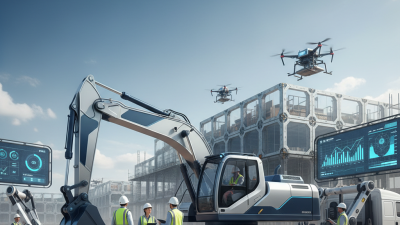
Technology will play a crucial role in shaping equipment rental trends. Advanced systems using IoT and GPS are enhancing asset management. This allows rentals to improve efficiency and minimize downtime. However, not all businesses have adapted to these shifts effectively. Some still rely on outdated practices. It's essential for industry players to reflect on their operations and embrace digital transformation.
Furthermore, sustainability is becoming a central theme. Equipment rental companies are exploring eco-friendly options. This includes electric machinery and energy-efficient models. According to a 2023 report, 70% of renters prefer green equipment. This shift influences rental choices significantly. As we delve into the trends for 2026, understanding these dynamics will be vital for success in the equipment rental sector.
Emerging Technologies Shaping Equipment Rental Industry in 2026
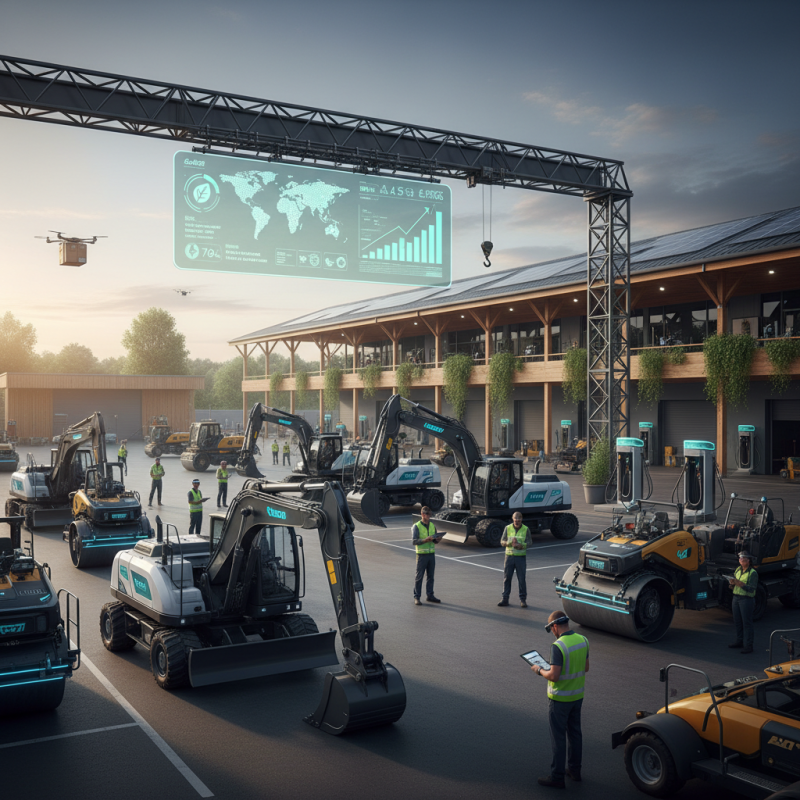
Emerging technologies are reshaping the equipment rental industry significantly by 2026. One major trend is the rise of telematics. This technology helps rental companies monitor equipment usage. According to a recent industry report, companies using telematics can reduce equipment downtime by 20%. Real-time data allows for timely maintenance, avoiding costly repairs.
Digital platforms and marketplaces are another shift. In 2026, more businesses will connect online for equipment rental. A study predicts that this segment will grow by 35% annually. While this offers convenience, it raises concerns about competition and pricing stability. Companies will need to adapt quickly.
Additionally, sustainability practices are gaining traction. Many organizations are focusing on eco-friendly equipment options. The market for green equipment is expected to reach $15 billion by 2026. However, integrating sustainable practices can be challenging. It requires investment and changes in operations. Balancing innovation with practicality will be crucial in the coming years.
The Role of Sustainability in Equipment Rental Trends
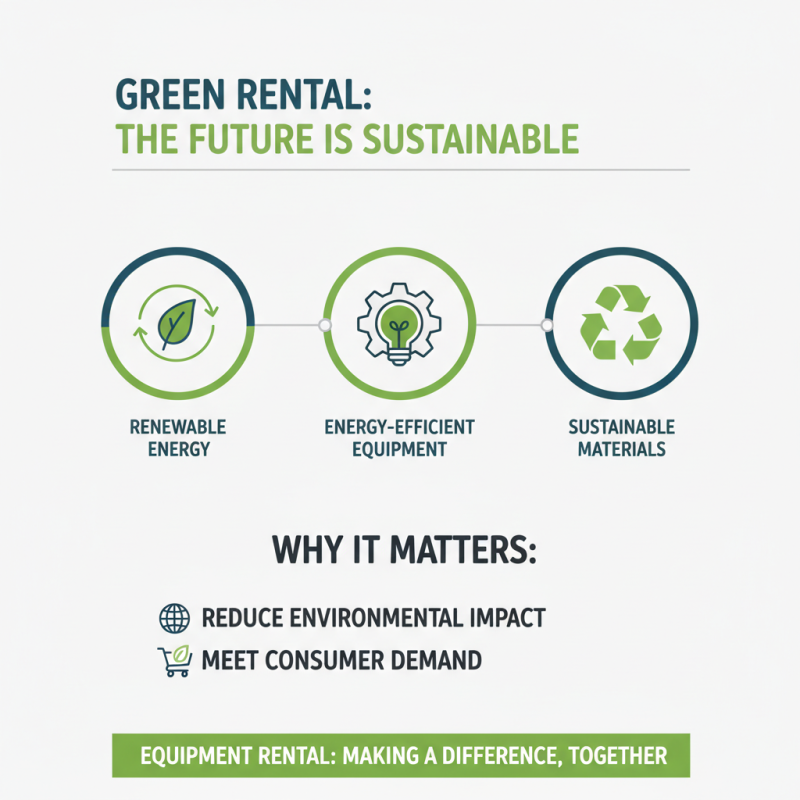
Sustainability is becoming essential in many industries, including equipment rental. Companies are now focusing on reducing their environmental impact. The emphasis on eco-friendly practices is no longer an option; it's a necessity. Businesses are exploring renewable energy sources, energy-efficient equipment, and sustainable materials. This shift responds to consumer demand for greener solutions.
In practice, this often means evaluating existing equipment. Many companies find that older machines consume more fuel. Upgrading to newer models can cut emissions significantly. However, investing in more sustainable options comes with a challenge. Not every business can afford the latest equipment. Yet, when companies start to consider renting, the financial burden can be eased. Renting allows businesses to access modern, eco-friendly tools without a hefty upfront cost.
There are still hurdles to overcome. Many rentals may not prioritize sustainability, leading to a gap in consumer expectations. Not all rentals keep up with eco-friendly standards. Businesses must be prepared to question their rental partners. Transparency about the sustainability of rental equipment can drive significant change. Moving forward, it's clear that sustainability will shape the future of the equipment rental industry. The journey may have bumps, but the commitment to the planet is worth it.
Shifts in Consumer Preferences Impacting Rental Services
Shifts in consumer preferences are reshaping the equipment rental industry. More people now seek sustainability in their choices. This trend is evident in the rising demand for eco-friendly equipment options. Customers prefer items that reduce environmental impact. As a result, rental services must adapt quickly.
Tips: Focus on promoting green options. Consider enhancing your fleet with energy-efficient machines. This not only attracts customers but also shows your commitment to sustainability.
Moreover, pricing transparency is crucial. Consumers today want clarity in costs. Hidden fees can lead to dissatisfaction and lost business. Offering straightforward pricing can enhance customer trust. Rental companies should make pricing structures clear and accessible.
Tips: Use online platforms to display transparent pricing. Offer easy-to-understand cost breakdowns. This improves user experience and builds loyalty.
Finally, flexibility is key. The modern renter values convenience and adaptability. As schedules change, they need rental services that can accommodate such needs. This means offering flexible pick-up and drop-off times.
Tips: Implement a user-friendly online scheduling system. This feature can enhance customer engagement and satisfaction. Remember, adapting to consumer demands is an ongoing process, not a one-time adjustment.
Economic Factors Influencing Equipment Rental Market Dynamics
Economic factors play a significant role in shaping the equipment rental market. As construction projects surge, the demand for equipment rises. However, fluctuations in interest rates can impact financing options for rental companies. When rates go up, costs increase. This scenario could lead to higher rental prices. This trend may deter small contractors from renting.
Additionally, inflation affects purchasing power. It pushes rental prices higher as companies try to maintain profit margins. A tight labor market further complicates the picture. With fewer available workers, project timelines may stretch. Companies might need to rent equipment for longer periods than planned, increasing overall expenses.
Supply chain issues also remain a concern. Challenges in sourcing equipment can disrupt availability. Delayed shipments can lead to project delays. Such delays can hurt relationships between contractors and clients. Businesses might need to rethink their rental strategies. Adaptability will be crucial as conditions change. Equipment rentals may be one solution, but it comes with its own challenges.
Integration of IoT and AI in Equipment Management for Rentals
The integration of IoT and AI in equipment management is changing rental businesses. IoT devices connect equipment to the internet. This allows real-time monitoring. Rental companies can track usage patterns and maintenance needs. It enhances efficiency and helps prevent costly breakdowns.
AI algorithms analyze data from IoT devices. They provide insights to optimize equipment usage. For instance, AI can predict when maintenance is needed. This reduces downtime and extends the life of equipment. However, relying on automation has risks. Equipment may still fail unexpectedly, despite advanced monitoring.
Adopting these technologies requires careful planning. Companies must invest in training staff to understand new systems. Otherwise, they may misinterpret data or overlook critical alerts. Balancing technology with human expertise is essential. The future of equipment rental relies on this synergy between man and machine.