Top 10 Heavy Construction Equipment for Global Buyers?
The heavy construction equipment market is booming, driven by the global demand for infrastructure improvement and urbanization. According to a report by ResearchAndMarkets, the global heavy construction equipment market is expected to reach over $200 billion by 2025. This surge highlights the critical role that heavy construction equipment plays in meeting the needs of various sectors, from transportation to housing.
As we delve into the top 10 heavy construction equipment for global buyers, it is essential to recognize the diversity within this industry. Equipment ranges from bulldozers to excavators, each fulfilling specific functions. However, industry challenges persist, such as rising material costs and environmental regulations. Buyers need to choose wisely to ensure their investments yield long-term benefits.
Furthermore, the choice of heavy construction equipment can significantly impact project timelines and budgets. Companies must assess their operational needs and the versatility of the equipment. This complexity requires informed decision-making. Buyers should rely on expert insights and data analytics to navigate the market effectively.
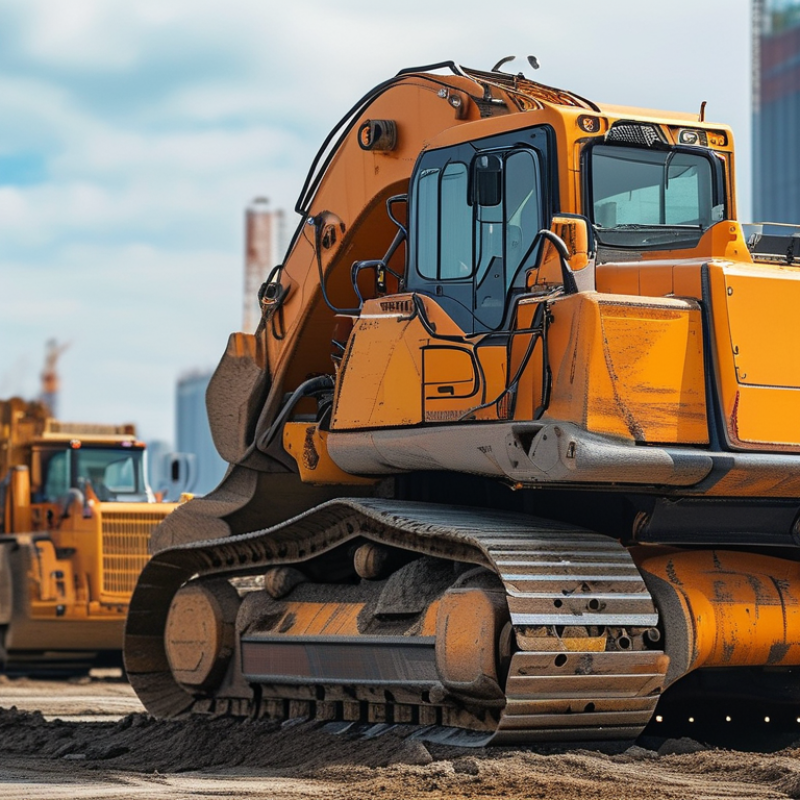
Key Heavy Construction Equipment Used Worldwide
Heavy construction equipment plays a crucial role in infrastructure development worldwide. These machines enhance productivity and efficiency on job sites. According to a recent market analysis, the global heavy construction equipment market is projected to reach approximately $200 billion by 2026, growing at a CAGR of 6% from 2021 to 2026.
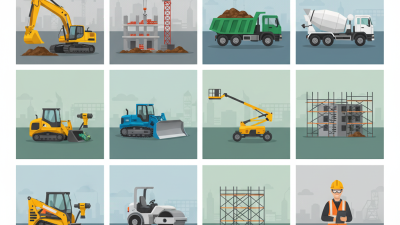
Excavators, bulldozers, and cranes are some of the most commonly used equipment in the industry. Excavators, for instance, are essential for digging and earthmoving tasks. They account for about 30% of the heavy equipment market. Meanwhile, cranes facilitate lifting and moving heavy materials, which is critical for construction projects. Inadequate training for operators often leads to safety risks and operational inefficiencies.
Another vital piece of equipment is the backhoe loader, commonly utilized in smaller construction tasks. Its versatility allows for various jobs, but its overreliance can hinder the expansion of more efficient options in the market. Data indicates that newer technologies, such as hybrid equipment, can improve fuel efficiency by up to 25%. However, many companies remain hesitant to adopt these innovations, which can limit their competitive edge. The industry's progression depends on embracing advanced solutions while recognizing the potential pitfalls in existing practices.
Essential Features of Heavy Construction Equipment
Heavy construction equipment plays a vital role in the global construction industry. Essential features of these machines greatly influence productivity and efficiency. For instance, a powerful engine ensures high performance in demanding environments. Data indicates that machinery with advanced fuel efficiency can reduce operational costs by up to 30%. This is crucial for contractors aiming to maximize their budgets.
Safety features also rank high on the list of essentials. Many modern machines come equipped with advanced sensors to prevent accidents. A report from the Construction Equipment Association noted that incorporating safety technology can reduce workplace injuries by 40%. Additionally, ease of maintenance is another key aspect. Equipment designed for quick servicing can significantly minimize downtime.
Equipment buyers should consider versatility when selecting machines. Multi-functional equipment can adapt to various tasks, leading to better returns on investment. In a survey, 70% of industry experts emphasized the value of versatility. New buyers often overlook these factors, leading to poor equipment choices. Investing time in understanding the features can lead to more informed decisions.
Top Brands in Heavy Construction Equipment Manufacturing
When it comes to heavy construction equipment, many brands have established themselves as leaders in the industry. These brands are known for their durability and performance. They produce machinery that can withstand tough conditions and heavy workloads. Buyers often look for reliable equipment that delivers excellent results on job sites.
A key factor in choosing equipment is the technology used in manufacturing. Advanced engineering processes ensure efficiency and safety. Operators appreciate features like intuitive controls and enhanced fuel efficiency. These innovations make a significant difference in overall productivity. However, not all brands maintain consistent standards. Some may cut corners to reduce costs. It’s essential to research and compare performance reviews.
In addition to reliability, customer service plays a vital role. Support from manufacturers can be crucial during maintenance. Quick responses to issues can save time and money. That said, not all companies excel in this area. Prospective buyers should consider warranty options and service availability. Understanding these aspects ensures making a well-informed decision in a competitive market.
Top 10 Heavy Construction Equipment Sales Volume
Factors Influencing Purchase Decisions for Global Buyers
When global buyers consider heavy construction equipment, several critical factors come into play.
Price remains a top concern. Buyers often have tight budgets, which can limit their options. The initial cost of the equipment must align with projected return on investment. In emerging markets, this balance can be particularly challenging due to fluctuating economic conditions.
Reliability is another pivotal factor. Buyers want machinery that performs well under diverse conditions. If equipment frequently breaks down, it can lead to costly delays and repairs. Understanding maintenance requirements is essential. Some machines need more frequent servicing, which can detract from their long-term value.
Another factor is technological advancement. As projects become more complex, buyers seek equipment with the latest technology. Features like GPS tracking and automated systems can enhance efficiency. However, adapting to new technology might require training, which adds to initial costs. Many buyers struggle to justify these investments, questioning whether the upgraded features are truly necessary. Balancing innovation with practicality is an ongoing debate in the industry.
Future Trends in Heavy Construction Equipment Technology
The heavy construction equipment industry is evolving rapidly. Emerging technologies are shaping the tools and machines of tomorrow. Automation is at the forefront. Autonomous machines can perform tasks without human oversight. This can increase efficiency but raises questions about job security.
Electric and hybrid machinery is gaining traction. These models reduce greenhouse gas emissions. While they are quieter and more efficient, the transition poses challenges. Infrastructure needs upgrades to support this change. Additionally, battery life remains a concern. Technology must advance further to meet the demands of heavy workloads.
Data analytics is another trend transforming construction sites. Real-time data can optimize project management. However, the reliance on data brings its own set of challenges. Misinterpreted data can lead to costly mistakes. It requires skilled personnel who understand both technology and construction to harness its potential. Balancing innovation with practical application is crucial.