Top 10 HVAC Filter Drier Manufacturers for Global Buyers
Choosing the right Hvac Filter Drier manufacturer affects system cleanliness, moisture control, and long-term refrigeration reliability. For global buyers, the decision involves more than comparing prices or catalog sizes. Product consistency matters.
This guide reviews ten established manufacturers serving commercial refrigeration, air conditioning, heat pump, and industrial applications. The evaluation considers manufacturing experience, desiccant technology, shell materials, pressure ratings, connection options, and quality-control practices. It also examines documentation, export capability, packaging, and technical support. A reliable supplier should provide clear model data, compatible refrigerant guidance, and traceable production information. Small details matter, such as sealed packaging that protects desiccant cores during humid shipping conditions.
Field experience remains valuable. A filter drier may look suitable on paper, yet cause excessive pressure drop when incorrectly sized. Installation conditions, refrigerant type, system capacity, and service access must be reviewed together. Buyers should verify certifications and regional requirements independently, because standards and approvals can differ across markets. No ranking is permanent. Manufacturer performance may vary by factory, product series, or distributor.
That limitation deserves attention. A polished catalog cannot replace sample testing or engineering review. Shortlist carefully. Compare evidence, not promises. The manufacturers discussed here represent useful starting points for professional procurement teams, contractors, and OEM buyers. Their strengths may differ in product breadth, customization, delivery reliability, or after-sales support. By examining these factors closely, buyers can reduce replacement risks and select Hvac Filter Drier products suited to real operating conditions.
What Are HVAC Filter Driers and Why Do They Matter?
Top 10 HVAC Filter Drier Manufacturers for Global Buyers
What Are HVAC Filter Driers and Why Do They Matter?
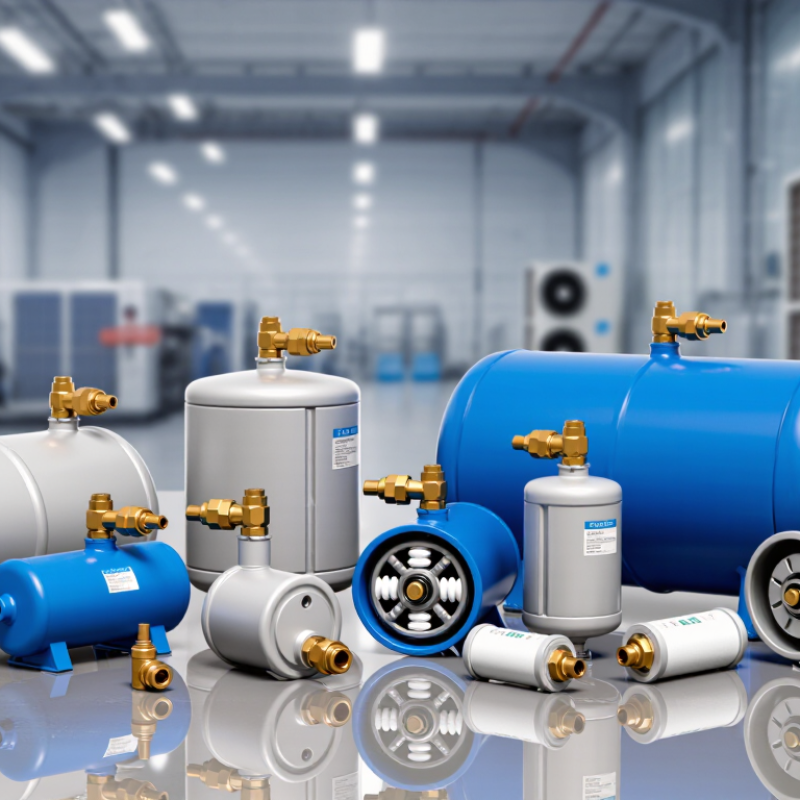
An HVAC filter drier is a compact protective device installed in a refrigeration circuit. It removes moisture, acid, dirt, and small metal particles from circulating refrigerant. These contaminants can damage compressors, restrict expansion devices, and reduce cooling performance. Moisture may also freeze inside a narrow capillary tube, causing intermittent shutdowns. The component usually combines a drying agent with a fine filtration core. In field service, a correctly selected filter drier often prevents expensive repairs after compressor replacement.
Filter driers matter because clean refrigerant supports stable pressures and longer equipment life. Selection requires careful attention to refrigerant type, system capacity, connection size, pressure rating, and installation direction. A liquid-line model is not automatically suitable for a suction line. Some systems require special cores for acid cleanup or heat-pump operation. I have seen failures caused by choosing only by pipe diameter. That shortcut seems practical, but it ignores capacity and contaminant load. Manufacturers should provide clear technical data, compatibility guidance, and traceable quality documentation for global buyers.
Tips: Replace the drier whenever the sealed system is opened. Keep the component sealed until installation. Braze with controlled heat and protect nearby parts. Check pressure drop after startup. A sight glass can help, but it is not a complete moisture test. Record the refrigerant, core type, and installation date. Small records matter.
How to Evaluate Global HVAC Filter Drier Manufacturers
Evaluating global HVAC filter drier manufacturers requires more than comparing prices. Start with the production site, not the sales brochure. Check whether the manufacturer controls copper tube forming, desiccant filling, brazing, and leak testing. A reliable supplier should explain each stage clearly. Ask for batch records, material certificates, and pressure-test results. Paperwork is not proof.
Study the filter drier’s technical performance under real operating conditions. Confirm refrigerant compatibility, working pressure, moisture capacity, filtration accuracy, and pressure drop. Request samples from different production batches. Then test them in systems that reflect your climate and installation practice. A small pressure loss can become expensive in a large commercial unit. Test before scaling.
Global supply also depends on packaging, traceability, and technical support. Examine how units are sealed against humidity during storage and transport. Check whether lot numbers connect to inspection records. Ask how the factory handles dimensional defects or damaged cartons. Visit the facility when possible, or use an independent auditor. A polished factory tour can still hide weak final inspection. I have found that delivery promises often sound stronger than actual capacity, especially during peak seasons. Leave room for this uncomfortable possibility. Compare lead times, replacement procedures, communication speed, and engineering support. The best manufacturer is not always the cheapest; it is the one that can repeatedly deliver stable performance with evidence behind every claim.
Top 10 HVAC Filter Drier Manufacturers by Product Strengths
Top 10 HVAC Filter Drier Manufacturers by Product Strengths
Global buyers should compare filter drier manufacturers by measurable product strengths, not catalog size. The strongest suppliers typically include high-capacity core specialists, compact residential producers, heavy-duty industrial manufacturers, corrosion-resistant fabricators, and custom OEM partners. Others stand out through low pressure drop, strong moisture adsorption, acid-removal capability, or compatibility with newer refrigerants. Some provide replaceable cores. Others focus on sealed designs for small systems. Product consistency matters more than attractive packaging.
The International Energy Agency reports that cooling equipment and electric fans consume about 20% of building electricity worldwide. This raises the value of reliable contamination control. Leading manufacturers commonly publish pressure-drop curves, maximum working pressure, flow ratings, and moisture-capacity data. They also reference recognized testing practices, including AHRI and ASHRAE procedures. A dependable supplier should provide batch traceability and clear installation guidance. Vague performance claims deserve caution.
The best ten profiles are not identical. One excels in copper construction. Another offers large industrial shells. A third supports flammable-refrigerant applications through careful material selection. Others deliver strong acid protection, compact dimensions, rapid availability, or custom connection sizes. Technical service can be a decisive strength. Field experience exposes weaknesses that laboratory sheets may miss. No ranking is perfect. Buyers should still verify actual pressure drop, refrigerant compatibility, and local compliance before approval.
How HVAC Filter Drier Technologies Compare Across Brands
HVAC filter drier manufacturers differ mainly in core design, not appearance. Experienced buyers compare desiccant chemistry, filtration accuracy, pressure drop, and shell strength. Solid-core models often provide stronger moisture and acid control in larger systems. Bead-filled designs may offer flexible capacity for compact equipment. Some manufacturers combine molecular sieve with activated alumina, supporting both water removal and acid adsorption.
Field technicians should check rated capacity at the actual refrigerant and temperature. A drier that performs well in a test room may restrict flow during cold-start conditions. Look for published pressure-drop curves, burst-pressure data, and compatibility information for modern refrigerants and lubricants. Brazed copper shells suit permanent installations, while replaceable-core housings can reduce maintenance waste. Yet replaceable systems need careful sealing. Small installation errors can defeat excellent internal media.
Tips: Compare pressure drop at full load, not only nominal capacity. Check the flow arrow before brazing. Use clean tools and protect the drier from excessive heat. Record the installation date and measured system conditions. Certifications support trust, but documentation should match the exact model. One overlooked issue is service availability; a technically advanced drier becomes inconvenient when replacement cores are difficult to source. Performance claims also deserve scrutiny. Independent test evidence is more useful than polished marketing language.
Top 10 HVAC Filter Drier Manufacturers for Global Buyers
How HVAC Filter Drier Technologies Compare Across Brands
Refrigerant transition is a key factor when comparing filter-drier technologies. The chart shows the 100-year global warming potential values commonly used in refrigerant assessments, based on AR4 values. Lower-GWP refrigerants generally require filter driers with verified compatibility for the selected refrigerant, lubricant, pressure range, and application temperature. Actual product capacity and performance vary by model and manufacturer.
What Global Buyers Should Check Before Purchasing
For global buyers comparing the top 10 HVAC filter drier manufacturers, product selection should begin with system conditions, not catalog ranking. The IEA’s The Future of Cooling report projects cooling electricity demand could rise from about 2,000 TWh in 2016 to 6,200 TWh by 2050. Reliable moisture and contaminant control will become increasingly important. Buyers should verify refrigerant compatibility, pressure ratings, temperature limits, core capacity, and connection type. Confirm test methods, not just claimed performance.
Ask manufacturers for batch traceability, laboratory certificates, installation guidance, and replacement intervals. ASHRAE’s Handbook—Refrigeration emphasizes correct dehydration, clean installation, and protection against moisture-related failures. A suitable filter drier should match the refrigerant, oil, compressor design, and expected pressure drop. Check whether the manufacturer supports local technical service and maintains stable supply across regions. A low purchase price can become expensive when a replacement core arrives late. This is often overlooked.
Tips: Request pressure-drop data at your actual mass flow rate. Check both liquid-line and suction-line applications. Inspect packaging for moisture damage before installation. Keep samples from each shipment. No checklist is perfect. Field conditions can expose assumptions that laboratory data misses, so pilot testing remains sensible for critical systems. Manufacturers should also explain disposal guidance and documentation for regional compliance.