Top 10 Tips for Heavy Equipment Shipping You Need to Know?
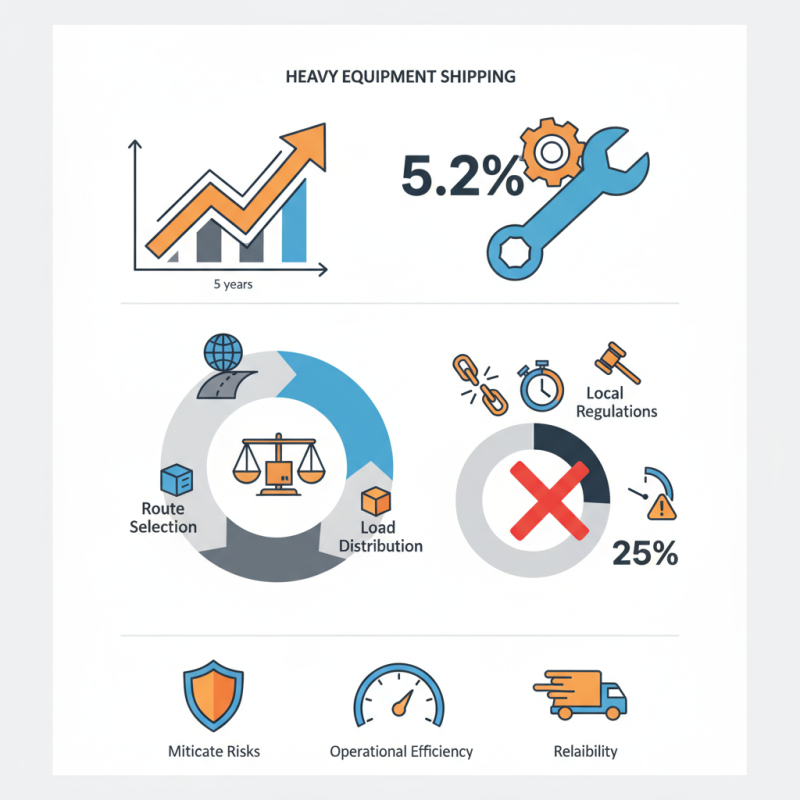
Heavy equipment shipping is a critical aspect of many industries, including construction and logistics. According to a recent report by IBISWorld, the heavy equipment shipping market is projected to grow by 5.2% annually over the next five years. This growth underscores the importance of efficient and safe transportation methods for large machinery.
Shipping heavy equipment involves unique challenges. The size, weight, and fragility of such items require specialized knowledge and handling techniques. Effective planning is essential. Factors like route selection, load distribution, and compliance with local regulations all play a crucial role. Neglecting these elements can lead to costly delays and damage.
Industry statistics reveal that 25% of heavy equipment transport projects experience planning or execution issues. Recognizing these pitfalls is vital for shippers and receivers alike. Understanding the intricacies of heavy equipment shipping will not only mitigate risks but also enhance operational efficiency and reliability.
Understanding Heavy Equipment Shipping Requirements
Understanding heavy equipment shipping requirements is critical for successful logistics management. The heavy equipment shipping industry faces strict regulations. For example, the Federal Motor Carrier Safety Administration (FMCSA) sets guidelines that ensure safe transport. These regulations include weight limits, load securement, and vehicle inspection protocols. Non-compliance can result in significant fines and delays.
Before shipping, it’s essential to assess equipment dimensions and weight accurately. According to industry reports, over 30% of shipping miscalculations occur due to inaccurate measurements. This can lead to costly mistakes. It is vital to consider the availability of specialized trailers that can accommodate oversized loads. Additionally, obtaining proper permits for transportation is often mandatory. Shipping routes must be planned to avoid height restrictions and narrow roads.
Insurance is another key requirement. Heavy equipment can be fragile and expensive. Securing adequate insurance coverage for your shipment protects against potential losses. According to recent data, about 15% of heavy equipment shipments experience damage during transit. Reflecting on these factors can improve shipping success rates and reduce unexpected costs. Therefore, understanding these requirements is not just beneficial; it's necessary for effective equipment transport.
Selecting the Right Shipping Method for Heavy Equipment
When shipping heavy equipment, selecting the right method is crucial. The method you choose impacts delivery time and cost. Different types of equipment have different needs. For instance, oversized machinery may require flatbed trucks, while containers suit standard-sized items. Understanding these nuances is key.
Consider the nature of the equipment. Some items are more delicate than others. This requires special handling. You might need to opt for enclosed transport to shield your investment. Additionally, weight and dimensions matter. Some shipping options are limited by road or rail constraints. This can lead to delays or unexpected expenses.
Don’t forget about destination factors. Urban areas may have restrictions on deliveries. Rural locations might require additional logistics planning. This can affect your timeline. Knowing these details beforehand can prevent last-minute hiccups. Investing time in research and planning is beneficial. It allows for smoother shipping experiences.
Preparing Your Equipment for Safe Transportation
Preparing heavy equipment for safe transportation requires careful planning. Start by cleaning the machinery thoroughly. This step removes dirt and debris that could hide potential damage. Inspect the equipment closely for any signs of wear or mechanical issues. Document these findings with photographs to reference later.
Secure all loose parts to prevent movement during transit. This includes mirrors, ladders, and attachments. Use protective coverings where necessary. Consider using soft barriers to guard against scratches and dents. Label all components clearly to ease unloading at the destination.
Transporting heavy equipment can present challenges. For example, oversized loads might require special permits. Be cautious about weight limits on transport routes. Evaluating these factors beforehand can save time and reduce risks. Always engage with experienced personnel for critical tasks, ensuring safety and compliance throughout the process.
Navigating Regulatory Compliance and Documentation
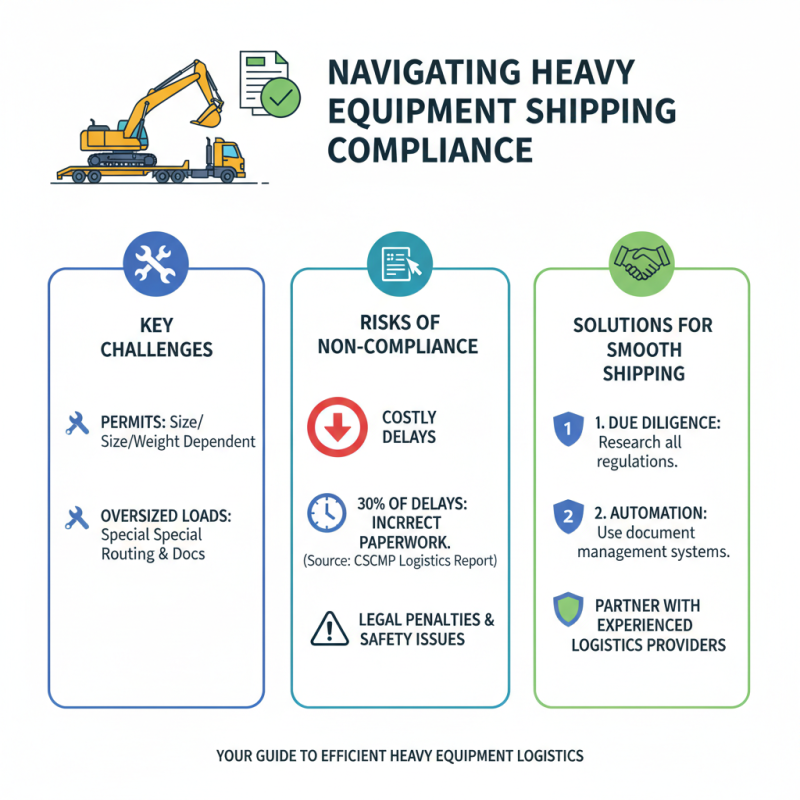
Shipping heavy equipment requires careful attention to regulatory compliance and documentation. Each piece of equipment might need specific permits depending on its size and weight. For instance, oversized loads may need special routing and additional documentation to ensure safety and legal adherence. According to a logistics report by the Council of Supply Chain Management Professionals, 30% of shipping delays involve incorrect or incomplete paperwork.
Documentation should include the bill of lading, customs declarations, and proof of insurance. Many operators overlook the need for a detailed inventory list, which can lead to misunderstandings during transit. Ensuring all documents are accurate and available at each shipping stage is crucial. This can avoid penalties. Studies show that 25% of shipping companies struggle with compliance, warning the industry about potential fines and legal complications.
Understanding the local regulations is vital. Different states or countries may have unique requirements. This can be daunting. One misstep can lead to delays. Industry experts suggest consulting a logistics professional with experience in heavy equipment shipping. Their insights can help navigate the complexities of compliance. Relying on outdated information or rushing the documentation process often results in costly mistakes.
Choosing a Reliable Heavy Equipment Shipping Company
When choosing a reliable heavy equipment shipping company, consider their experience in the industry. A company with a solid track record is likely to handle your shipping needs more effectively. Look for contracts and testimonials from past clients. This information can provide insight into their reliability and performance.
Licenses and insurance are essential. Ensure the company has all the necessary permits for heavy equipment transport. Insurance coverage protects your investment in case of damage during transit. Inquire about their safety measures. A reputable company prioritizes the protection of both the equipment and its staff.
Communication is another critical aspect. A good shipping company keeps you informed throughout the process. This transparency builds trust and eases concerns about delays or issues. Finally, ask about their equipment and shipping methods. Proper equipment is necessary to ensure your load arrives safely. Reflection on past experiences may reveal areas for improvement when selecting a partner for shipping.
Top 10 Tips for Heavy Equipment Shipping You Need to Know - Choosing a Reliable Heavy Equipment Shipping Company
| Tip Number |
Tip Description |
Important Considerations |
| 1 |
Choose a Specialized Carrier |
Ensure they have experience with heavy equipment. |
| 2 |
Verify Insurance Coverage |
Check that the carrier has comprehensive liability insurance. |
| 3 |
Request Quotes from Multiple Companies |
Compare prices and services offered. |
| 4 |
Check Customer Reviews |
Look for testimonials and ratings online. |
| 5 |
Understand the Shipping Process |
Know how to prepare equipment for transport. |
| 6 |
Ask About Equipment Tracking |
Ensure they provide GPS tracking during transit. |
| 7 |
Inquire About Delivery Times |
Get estimates on shipping duration before confirming. |
| 8 |
Review Contract Terms Carefully |
Pay attention to cancellation and rescheduling policies. |
| 9 |
Confirm Equipment Compatibility |
Ensure that the carrier can accommodate your specific machinery. |
| 10 |
Schedule Pickup in Advance |
Allow enough time for logistics and planning. |