What is Trackhoe Rental and How to Choose the Right One for Your Project
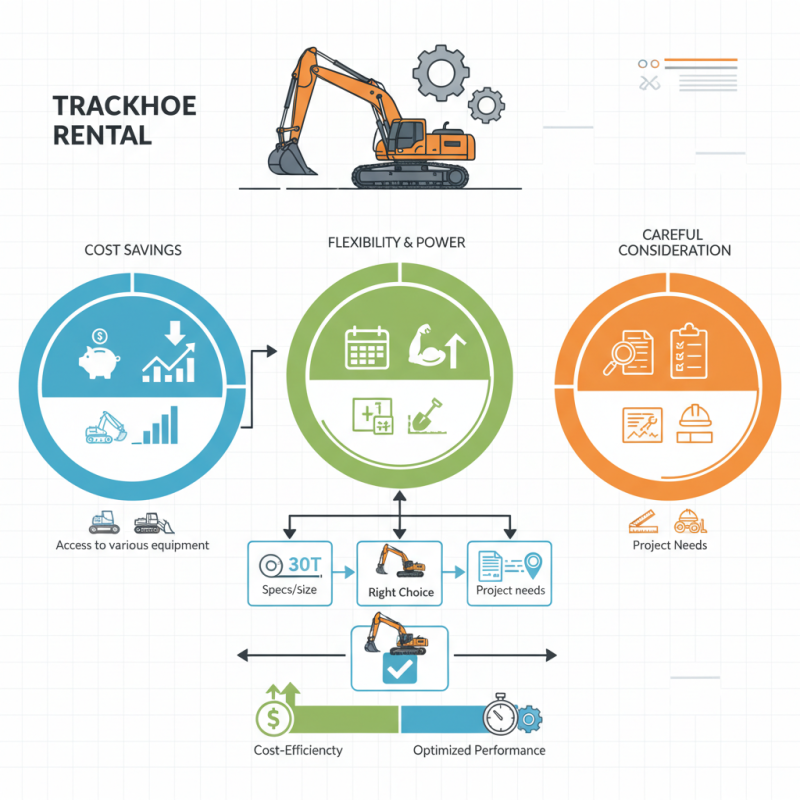
When it comes to construction and excavation projects, the choice of heavy machinery can significantly influence the efficiency and success of the undertaking. One of the most essential pieces of equipment in this arena is the trackhoe, known for its versatility and power in tasks ranging from digging to grading. As contractors and project managers evaluate their equipment needs, trackhoe rental has emerged as a popular option. This approach not only provides access to high-quality machinery without the substantial upfront investment of purchasing but also allows for greater flexibility in project management.
However, selecting the right trackhoe rental for your specific project demands careful consideration of various factors. From understanding the specifications and capabilities of different models to evaluating the terms and conditions of rental agreements, the process involves a strategic assessment to ensure that the chosen equipment aligns with the project's requirements. In this guide, we will delve into the key aspects of trackhoe rental, offering insights on how to discern the most suitable options tailored to your project's unique needs, ultimately enabling you to optimize both performance and cost-efficiency.
What is a Trackhoe and Its Common Uses in Construction Projects?
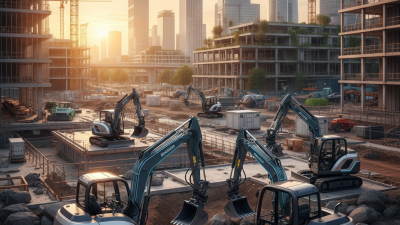
A trackhoe, commonly known as an excavator, is a vital piece of heavy machinery used in various construction projects. Characterized by its long arm and bucket attachment, this equipment is primarily designed for digging, lifting, and moving materials on job sites. Trackhoes can efficiently handle tasks such as trenching for utilities, digging foundations for buildings, and clearing land. Their versatility makes them valuable for both large-scale developments and smaller landscaping projects.
When it comes to choosing the right trackhoe for your project, consider the specific tasks you need to accomplish. Different models come with varying capabilities, such as bucket size, dig depth, and lifting capacity, which can greatly impact project efficiency. For instance, if you're working on tight spaces or delicate tasks like landscaping, a compact trackhoe may be ideal. Conversely, for larger operations like site preparation, a full-sized excavator may be required.
**Tips:** Ensure to assess the ground conditions where the trackhoe will operate. For muddy or uneven terrains, opting for a model with stronger tracks can prevent operational issues. Additionally, always review safety features and operator comfort when selecting a trackhoe to ensure a smooth, secure work environment. Prioritize working with trained professionals who are well-versed in operating trackhoes to optimize productivity and maintain safety on site.
Trackhoe Rental Usage in Construction Projects
Understanding the Different Types of Trackhoes Available for Rent
When renting a trackhoe, understanding the different types available is crucial for ensuring the right fit for your project. Generally, trackhoes fall into three main categories: mini, standard, and large sizes. Mini trackhoes, typically under 6 tons, are ideal for smaller jobs and tight spaces. They offer excellent maneuverability and can be used for residential landscaping or utility work. Standard trackhoes, ranging from 6 to 20 tons, provide a great balance between power and versatility, making them suitable for general construction tasks. Large trackhoes, over 20 tons, are designed for heavy-duty applications, such as excavation and large-scale site preparation.
When selecting a trackhoe for rent, consider the specific requirements of your project. A key tip is to evaluate the site conditions, including space limitations and soil type, which will help determine the most suitable size. Additionally, assess the attachment options available, as different projects may require specific tools like buckets or hammers to optimize efficiency. Remember to check the rental company's maintenance records to ensure you're renting a well-maintained machine, which can significantly affect performance and safety during operation.
What is Trackhoe Rental and How to Choose the Right One for Your Project
| Trackhoe Type |
Weight Class |
Ideal For |
Rental Rate (per day) |
| Mini Trackhoe |
2,500 - 6,000 lbs |
Residential projects, tight spaces |
$150 - $250 |
| Standard Trackhoe |
6,000 - 10,000 lbs |
Medium-scale excavations |
$250 - $400 |
| Large Trackhoe |
10,000 - 25,000 lbs |
Heavy-duty construction, mining |
$400 - $700 |
| Long Reach Trackhoe |
20,000 - 50,000 lbs |
Deep excavations, dredging |
$600 - $1,000 |
Key Factors to Consider When Choosing a Trackhoe Rental Company
When selecting a trackhoe rental company, several key factors should be taken into consideration to ensure you choose the right fit for your project. First, evaluate the company's reputation and customer reviews. A reliable rental service will often have positive feedback from previous customers regarding the quality of their equipment and the level of customer service. Researching online reviews or asking for recommendations from colleagues within the industry can provide valuable insights into the company's reliability.
Another significant factor is the condition and variety of equipment available for rent. Inspecting the trackhoes for wear and tear, as well as understanding the specifications of the models offered, can make a difference in the efficiency of your project. Additionally, consider the rental company's maintenance practices; well-maintained equipment is less likely to experience downtime, which can save both time and money in the long run.
Finally, assess the rental terms, including pricing, rental duration, and any additional fees, to ensure that you are receiving fair and transparent terms that align with your project budget.
Industry Insights: Average Rental Costs and Duration Options for Trackhoes
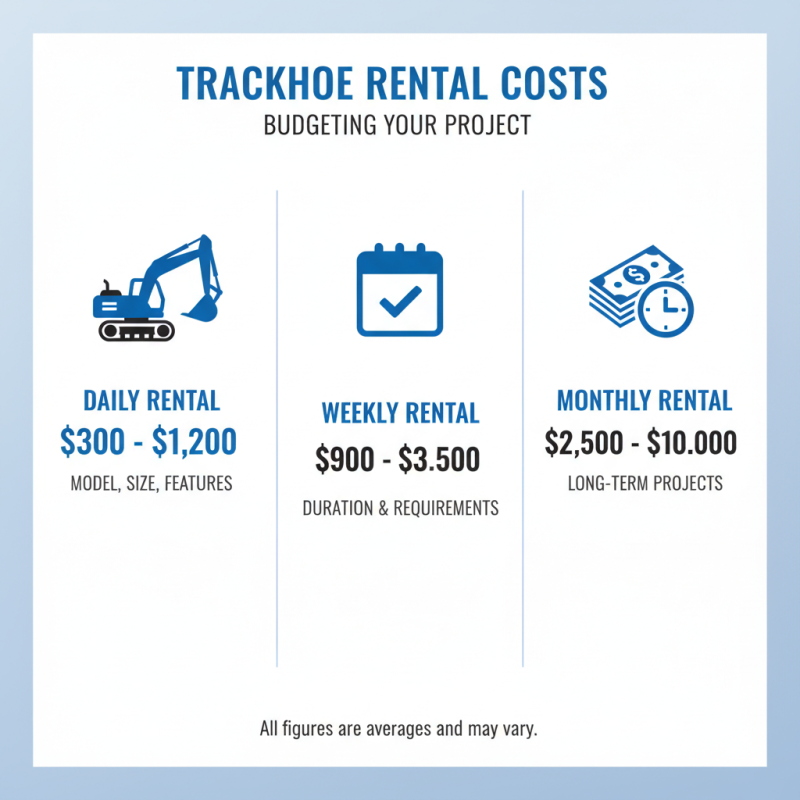
When considering a trackhoe rental, understanding the average rental costs is crucial for budgeting your project. Typically, rental rates can vary significantly based on factors such as the model, size, and additional features of the trackhoe. On average, daily rates range from $300 to $1,200, while weekly rentals can vary between $900 and $3,500. For long-term projects, monthly rentals often provide more value, with costs falling between $2,500 and $10,000, depending on the duration and requirements of the job.
In addition to cost considerations, it's also important to evaluate the duration options for renting a trackhoe. Most rental companies offer flexible rental terms, allowing contractors to choose daily, weekly, or monthly rates based on their project's specific timeline. Short-term rentals may be ideal for quick jobs, while longer rentals can help save money for extensive projects that require ongoing use of the equipment. Always ensure to compare rental agreements and terms to find the best fit for your project’s needs and budget.
Safety Guidelines and Best Practices for Operating Rental Trackhoes
Operating rental trackhoes safely is paramount to ensure both efficiency and compliance on construction sites. According to a report by the Construction Safety Association, approximately 13% of workplace injuries in the construction industry are attributed to equipment mishandling, highlighting the critical need for proper safety protocols. Before operating a rental trackhoe, operators must familiarize themselves with the machine’s manual, including weight specifications and limitations, which is essential to avoid tipping hazards. It's also crucial to conduct a pre-operation inspection, ensuring that all safety devices are functional and that the work area is clear of obstacles and bystanders.
When operating a trackhoe, adhering to safe practices significantly reduces risks. The Occupational Safety and Health Administration (OSHA) recommends specific guidelines that include maintaining a safe distance from utility lines, ensuring load stability, and using the appropriate personal protective equipment (PPE) such as helmets and gloves. Additionally, training is vital; workers should undergo comprehensive training that includes both theoretical knowledge and practical operation, as highlighted in a study from the National Institute for Occupational Safety and Health, which found that well-trained operators are 35% less likely to be involved in accidents. By prioritizing safety and following best practices, operators can effectively utilize rental trackhoes to enhance productivity on their projects while minimizing the risk of injury.