What Is the Best Backhoe Loader from China?
Choosing the best backhoe loader from China requires more than comparing purchase prices or engine horsepower. A capable machine must dig, lift, load, and travel reliably across changing job sites. Buyers should examine hydraulic response, breakout force, loader capacity, operating weight, fuel use, and cab visibility. These details become obvious when the bucket meets compacted clay or wet gravel.
Field experience also shows that specifications do not tell the whole story. A backhoe loader may look impressive on paper but struggle when parts arrive slowly or technicians lack training. We therefore consider manufacturer history, factory quality control, warranty terms, spare-parts availability, operator comfort, and local service support. Compliance with applicable safety and emissions requirements must also be verified before purchase. Ask for test reports and inspect the machine directly when possible.
No single model wins every job.
This guide compares leading Chinese options through practical working conditions rather than advertising claims. It considers construction, farming, road maintenance, utility work, and rental use. Some conclusions remain open to debate because soil, climate, workload, and operator habits vary widely. Our assessment is not flawless. A lower-cost machine may deliver excellent value, yet a small weakness in sealing, controls, or documentation can become expensive later. Careful buyers should request a live demonstration, review maintenance records, and calculate total ownership cost. The best choice is the machine that performs consistently, receives dependable support, and fits the work ahead.
Define Core Specifications: 70–100 hp, 7–10 t, and 0.8–1.2 m³ Buckets
What Is the Best Backhoe Loader from China?
Define Core Specifications: 70–100 hp, 7–10 t, and 0.8–1.2 m³ Buckets
For many contractors, the best backhoe loader starts with a workable specification range, not a showroom claim. A 70–100 hp diesel engine can handle trenching, loading, and moderate site grading. Power alone is not enough. Hydraulic flow, torque delivery, and cooling performance decide whether the machine stays productive during long shifts. In daily use, I would check response when the boom, dipper, and bucket move together. Slow recovery under combined functions often reveals a weak hydraulic match.
A 7–10 tonne operating weight gives useful stability for digging beside foundations and loading aggregate. However, heavier is not automatically better. Transport limits, ground pressure, and turning space can change the practical choice. The 0.8–1.2 m³ loader bucket suits common soil, gravel, and construction debris. Bucket capacity must match material density. A full bucket of wet clay can overload a machine designed around loose aggregate.
Check the working range carefully. Digging depth, breakout force, lift height, and rear swing clearance matter more than a large brochure number. Request measured performance data, service intervals, cooling tests, and attachment compatibility records. Inspect welds, pins, hoses, and cab visibility in person when possible. My first estimate was too optimistic once because I ignored hydraulic response in cold weather. That mistake was expensive in lost hours. A short field trial can expose more than polished specifications.
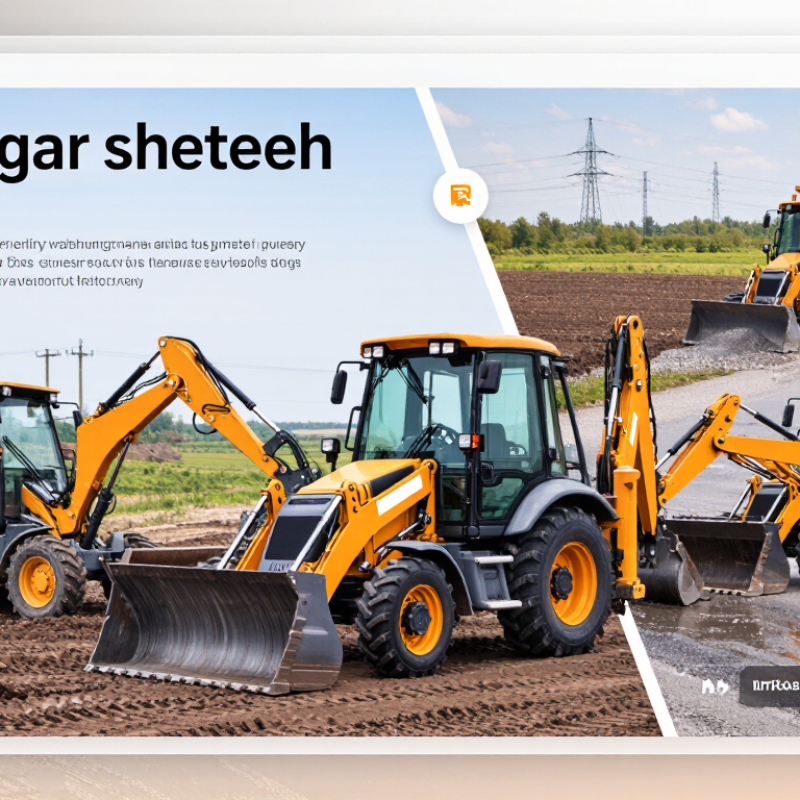
The chart summarizes the core specification range for a versatile backhoe loader from China: 70–100 hp engine power, 7–10 tonnes operating weight, and 0.8–1.2 m³ front bucket capacity. These ranges are suitable reference targets for general construction, utility, road maintenance, and material-handling applications.
Assess Excavation Performance: 5.5–6.5 m Digging Depth and 50–70 kN Breakout Force
What Is the Best Backhoe Loader from China?
For serious excavation, digging depth matters more than advertised engine power. A practical Chinese backhoe loader should reach 5.5–6.5 meters without excessive boom flex. That range suits utility trenches, drainage work, and foundation preparation. A 50–70 kN breakout force also gives the bucket useful strength in compacted clay and gravel. However, force alone can mislead. Hydraulic flow, linkage geometry, and pump stability decide how quickly the bucket fills. Field checks should follow ISO 6015 principles for measuring lifting and breakout performance. The 2024 Global Backhoe Loader Market Report by The Business Research Company estimated market growth from about USD 4.5 billion in 2023 to USD 4.8 billion in 2024. Rising demand supports more choices, but it does not guarantee equal quality.
Tips: Test the machine with a full bucket. Measure the actual trench depth. Watch for hydraulic hesitation under load. Compare cycle times, not only brochure figures. Ask for certified test conditions and oil temperature records.
On a real site, stable performance matters more than one impressive number. A loader reaching 6.2 meters may still struggle with wet soil if the hydraulic system overheats. Operators should inspect pin wear, hose routing, stabilizer grip, and visibility around the trench. SAE J1179 measurement guidance can help buyers compare hydraulic excavating performance more fairly. I would not choose the highest breakout rating automatically. Some specifications look excellent on paper, yet field response feels slow. That uncertainty deserves a proper demonstration before purchase.
Verify Engine Compliance: China IV or Stage V Emissions and ISO 14396 Ratings
Choosing the best backhoe loader from China starts with engine verification, not appearance or advertised digging force. Confirm whether the machine meets China IV or EU Stage V requirements for your operating market. These standards are not interchangeable. A compliant engine should have traceable certification, an engine identification plate, and matching serial numbers.
Request the official emissions certificate and test report before purchase. Check the tested engine model, rated power, test cycle, and after-treatment equipment. The certificate must match the actual loader configuration. A replaced engine, altered exhaust system, or different software calibration can change compliance. Small details matter.
ISO 14396 ratings provide a useful basis for comparing engine power. Ask whether the stated rating follows ISO 14396 and whether it represents gross or net power. These figures can differ during real digging, especially with hydraulic loads and cooling fans. Review the power curve, torque data, and hydraulic pump specifications together. More horsepower does not always mean faster trenching.
Inspect the loader in person when possible. Look for cold-start behavior, exhaust smoke, warning lights, and regeneration records. A clean display is not proof of compliance. Documentation can still be incomplete. That is a risk worth admitting. Ask for service intervals, fuel requirements, and replacement costs for emissions components. Reliable suppliers should answer clearly and provide consistent documents. Hesitation deserves further checking.
Compare Ownership Costs: Fuel Use, Warranty Coverage, and 2,000–4,000 h Service
Choosing the best Chinese backhoe loader depends on ownership cost, not purchase price alone.
Fuel use changes with soil, attachment weight, operator habits, and idle time.
A loader burning 8 litres per hour may look efficient on paper. However, ten minutes of unnecessary idling each hour quietly increases annual costs.
Request fuel figures from comparable duty-cycle tests. Then verify them during a site trial.
Warranty coverage deserves careful reading.
Check whether the plan includes the engine, transmission, hydraulic pump, axles, and electronic controls. Ask about labour, travel, seals, and diagnostic charges.
Some warranties appear generous but exclude wear parts or require approved maintenance records. That detail matters.
A local service partner should also hold common filters, hoses, and sensors, reducing downtime between 2,000 and 4,000 operating hours.
At 2,000 hours, inspect hydraulic response, pivot pins, brake performance, and cooling-system cleanliness.
Around 4,000 hours, budget for deeper hydraulic testing, transmission checks, injector evaluation, and possible bush replacement.
Keep every service record. A lower-cost machine can become expensive when parts arrive slowly.
I would not compare hourly fuel cost without measuring the actual workload. That mistake is easy to make. Operator training, resale value, and regional parts support can outweigh a small difference in fuel consumption.
Select the Best Chinese Backhoe Loader for Application, Uptime, and Resale Value
Choosing the best Chinese backhoe loader starts with the job, not the brochure. A 2024 report from Off-Highway Research identifies Asia as the largest construction-equipment region by sales volume. That scale supports broad parts networks and competitive pricing. However, regional availability still varies sharply.
Match the machine to the application. For urban utility work, prioritize compact dimensions, smooth hydraulics, and precise trench control. Agricultural users may need stronger lifting performance, four-wheel drive, and durable rear attachments. The Construction Equipment Association’s 2023 market data shows continued demand for versatile machines across infrastructure and agricultural projects. Versatility matters. So does operator comfort.
Uptime depends on more than engine power. Request service intervals, diagnostic access, filter costs, and parts lead times in writing. A 2024 fleet-cost analysis by EquipmentWatch shows that maintenance and depreciation strongly influence total ownership costs for used equipment. Record fuel use during a real work cycle, not an optimistic demonstration. Resale value also favors documented servicing, clean hydraulic cylinders, and common attachment sizes. Lower purchase price can mislead. I would inspect welds, axle seals, tire wear, and cold-start behavior before buying. Chinese production quality has improved, but consistency between suppliers still deserves careful checking. The best choice is the loader that keeps earning in your actual conditions.
Related Posts
-
Top 5 Must-Have Construction Equipment for Every Builder in 2023
-
10 Essential Tips for Operating Heavy Equipment Safely and Effectively
-
Top 10 Volvo Construction Equipment Parts You Need for Optimal Performance
-
Top 10 Aftermarket Heavy Equipment Parts in China You Should Know?
-
How to Choose the Best Heavy Equipment Shipping Services?
-
Why You Should Consider Earth Moving Equipment Rental for Your Next Project