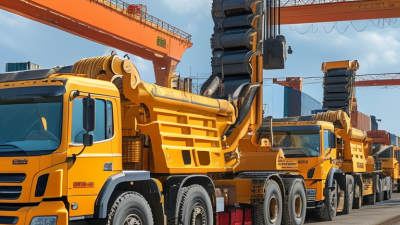
Why Choose Heavy Construction Equipment for Your Project?

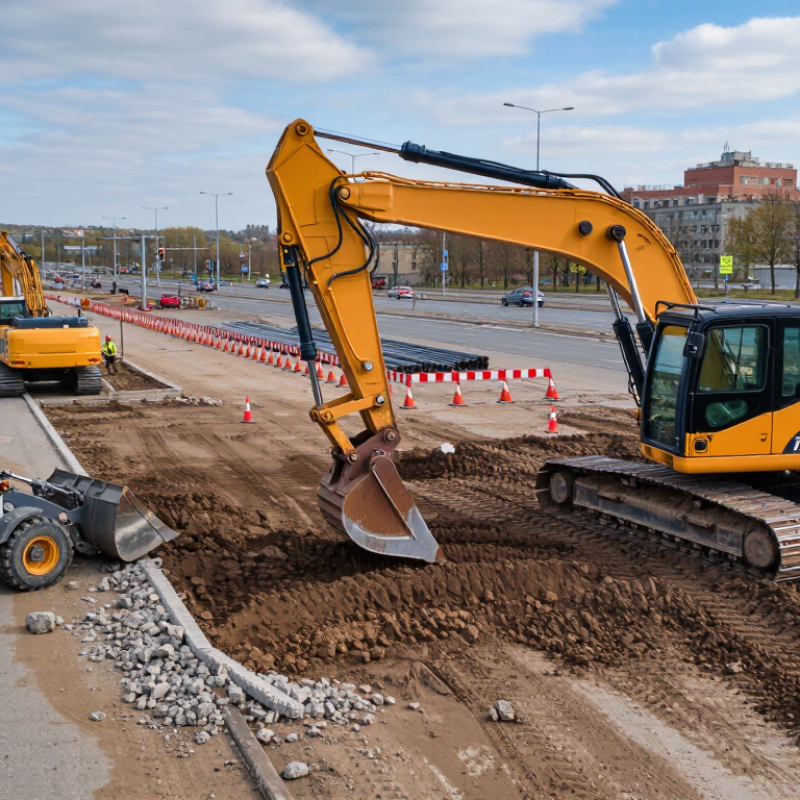
Choosing heavy construction equipment can change how efficiently, safely, and accurately a project moves from plans to completion. On a busy road site, an excavator can remove dense soil in hours, while a compact loader clears debris around tight access points. These machines reduce physical strain and help crews maintain consistent production.

The right choice depends on ground conditions, project size, lifting requirements, and available space. A tracked excavator may perform well on muddy terrain, while a wheeled loader can move quickly across a paved site. Equipment specialists usually compare operating weight, bucket capacity, fuel use, attachment options, and maintenance records before recommending a machine. Manufacturer specifications and current inspection reports also provide more reliable guidance than appearance alone.

Heavy equipment is not automatically the best solution. Large machines can increase transport costs, fuel consumption, and surface damage. Poorly matched equipment may sit idle while rental fees continue. That mistake happens more often than many project plans admit. Experienced contractors review the work sequence, operator qualifications, site hazards, and local requirements before mobilization. They also schedule daily inspections, confirm load limits, and maintain clear communication between operators and ground crews. Even careful planning needs adjustment when weather changes or soil conditions differ from surveys. A practical equipment decision balances productivity with safety, reliability, and long-term operating value. This approach helps project owners invest with clearer expectations and fewer expensive surprises.
Why Choose Heavy Construction Equipment for Your Project?

What Heavy Construction Equipment Is and How It Supports Projects

Why Choose Heavy Construction Equipment for Your Project?

What Heavy Construction Equipment Is and How It Supports Projects

Heavy construction equipment includes excavators, loaders, bulldozers, graders, cranes, and compactors. These machines handle demanding tasks that exceed ordinary hand tools. An excavator can remove wet soil beside a foundation. A loader can move crushed stone across a crowded site. A compactor can press each layer until the surface becomes stable.

The right machine supports safer, more consistent work. Operators use attachment controls, load charts, and site plans to match equipment with each task. Ground conditions matter too. A tracked excavator usually spreads weight better on soft soil than a wheeled machine. A grader can create accurate slopes for drainage, while a roller reduces air gaps in newly placed material.

Small details often affect the result. Before operating, crews inspect hydraulic lines, tires or tracks, mirrors, alarms, and fluid levels. They also check overhead hazards and underground utility markings. Poor planning can waste fuel, damage surfaces, or delay several trades. That part is easy to underestimate.

In practice, equipment choices are not always perfect. A machine may arrive with the wrong bucket, or the ground may become softer after rain. Experienced supervisors adjust the plan instead of forcing the original schedule. They may reduce the load, change the attachment, or arrange temporary access. Proper training, maintenance records, and documented inspections make those decisions more reliable. Safety remains part of productivity, not an obstacle to it.

Why Choose Heavy Construction Equipment for Your Project?

Heavy construction equipment provides the power, stability, and capacity required for excavation, grading, lifting, loading, and material transport. The chart shows representative rated engine-power levels commonly associated with major equipment categories; actual specifications vary by machine size and application.

Representative values are shown in horsepower (hp) for comparison purposes and are not tied to any specific manufacturer or model.

Key Types of Heavy Construction Equipment and Their Main Applications

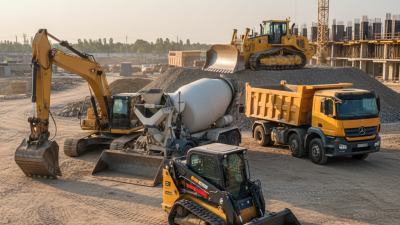
Heavy construction equipment turns demanding site work into controlled, repeatable operations. Each machine has a distinct role. Excavators dig foundations, trenches, and drainage channels, while their hydraulic arms handle precise material placement. Wheel loaders move soil, gravel, and demolition debris quickly across short distances. Their wide buckets are useful near stockpiles and loading areas.

Bulldozers push earth, clear rough ground, and create initial slopes. Motor graders then refine road surfaces and drainage lines with greater accuracy. Dump trucks transport excavated material between the work zone and disposal or storage areas. Compactors press soil and aggregate into stable layers, reducing future settlement. Cranes lift heavy structural components when ground access is limited. On active sites, matching each machine to the task often improves productivity more than simply choosing the largest model.

Tips:
Check ground conditions, working space, load weight, and travel distance before selecting equipment. Keep attachments suitable for the material. A narrow bucket may improve control in a tight trench. A larger machine is not always better. I have seen oversized equipment waste fuel while causing unnecessary surface damage. Operators should inspect hydraulics, tires, tracks, and alarms before work begins. Production estimates can also be imperfect, especially when weather changes soil behavior. Leave realistic time for repositioning and maintenance.

How to Choose Equipment Based on Project Requirements

Choosing heavy construction equipment begins with the work, not the machine’s advertised capacity. Define the required lifting height, digging depth, ground pressure, access width, and daily production target. A 20-ton excavator may look efficient, yet soft soil can make a lighter machine safer and faster. Measure the site before requesting quotations. Small errors become expensive delays.

Match attachments to the material and task. A hydraulic breaker suits reinforced concrete, while a grading blade needs stable control and clear visibility. Check fuel use, maintenance intervals, transport limits, and operator training requirements. The American Rental Association’s 2024 forecast estimated U.S. equipment rental revenue at about 78 billion dollars, showing how flexible access can support changing project demands. Renting may reduce idle assets, but repeated long-term use can make ownership more economical.

Labor availability also affects selection. The Associated General Contractors’ 2024 workforce survey found that 94% of contractors struggled to fill craft positions. Simple controls and monitoring systems can reduce training pressure, but they cannot replace competent supervision. Review safety records, emergency access, and noise limits with the site team. OSHA identifies construction as accounting for roughly one in five private-industry workplace deaths. That figure deserves more than a checklist. My practical mistake has been judging productivity from peak specifications alone; real output depends on soil, weather, operator skill, and maintenance discipline.

The Benefits of Using Heavy Construction Equipment

Heavy construction equipment can change how a project moves, especially when time and site conditions are demanding. Excavators can remove compacted soil in minutes, while loaders move gravel, sand, and debris with fewer repeated trips. This reduces physical strain on workers and keeps material flowing around the site.

The benefits also include better precision and improved productivity. A skilled operator can shape a trench, level a surface, or place materials with steady control. Modern equipment often includes grade systems, load indicators, and adjustable attachments. These features help teams meet measurements more consistently. In my experience, a properly matched machine can prevent hours of manual rework. That matters when weather changes quickly.

Heavy equipment can also improve safety when planning is careful. Stable machines handle demanding loads, and enclosed cabins can protect operators from dust, noise, and falling debris. However, bigger is not always better. A large excavator may damage a narrow access road or consume unnecessary fuel. I have seen projects lose time because equipment was selected by appearance rather than actual workload. Soil type, working space, lifting limits, maintenance records, and operator training deserve close attention. Regular inspections remain essential. Small hydraulic leaks, worn tracks, or poor visibility can create serious delays. Reliable equipment supports the project best when its power matches the task.

Why Choose Heavy Construction Equipment for Your Project? - The Benefits of Using Heavy Construction Equipment

Typical applications and benefits vary according to site conditions, machine configuration, operator skill, material type, and project requirements.
Project Requirement Suitable Equipment Type Primary Capability Key Project Benefit Important Planning Consideration
Large-scale excavation Hydraulic excavator Digs, lifts, and places soil, rock, and construction debris using a boom, arm, and bucket. Improves digging productivity and reduces the physical workload required from site crews. Select the machine size, bucket type, and reach according to excavation depth, material, and access restrictions.
Earthmoving and site leveling Bulldozer Pushes, spreads, and rough-grades soil and other loose materials with a front blade. Supports fast site preparation and creates more consistent rough grades over broad areas. Ground pressure, blade configuration, slope conditions, and haul distance affect performance.
Loading and material handling Wheel loader Loads, transports, and places aggregates, soil, waste, and other bulk materials over short distances. Reduces manual handling and can shorten loading cycles when matched with haul vehicles. Bucket capacity, travel distance, turning space, tire condition, and surface quality influence cycle time.
Transporting excavated material Articulated dump truck Hauls soil, rock, and aggregate across uneven or changing terrain. Maintains material flow between excavation, stockpile, processing, and placement areas. Payload limits, road width, gradients, ground conditions, and safe dumping areas must be assessed.
Fine grading and surface accuracy Motor grader Shapes and finishes soil, gravel, and aggregate surfaces with an adjustable moldboard. Helps achieve accurate slopes, drainage profiles, road crowns, and smooth final surfaces. Survey control, operator visibility, material moisture, and required grade tolerances are critical.
Soil and aggregate compaction Vibratory soil compactor Compacts granular or cohesive materials through static weight and vibration. Increases soil density and helps reduce settlement risks when used with suitable moisture control. Lift thickness, moisture content, vibration settings, and the required compaction standard determine results.
Road and pavement preparation Asphalt paver Places and distributes hot-mix asphalt at a controlled width and thickness. Supports a more uniform pavement layer and continuous paving operations. Material temperature, delivery coordination, paving speed, screed settings, and weather affect quality.
Concrete placement Concrete pump Moves ready-mix concrete through pipelines or hoses to locations that may be difficult to access directly. Improves placement access and can reduce the need for manual transport across the work area. Concrete workability, line length, pump capacity, site access, and coordination with mixer trucks are essential.
Lifting and positioning heavy components Mobile crane Lifts and places loads using a telescopic or lattice boom mounted on a mobile carrier. Enables controlled placement of structural members, formwork, equipment, and other heavy loads. Load charts, radius, ground bearing capacity, overhead hazards, wind, and a lift plan must be reviewed.
Demolition and material reduction Excavator with hydraulic breaker or shears Breaks concrete, cuts structural materials, and separates demolition components with specialized attachments. Accelerates controlled demolition and supports sorting, recycling, and site clearance. Attachment compatibility, dust and noise control, structural stability, utilities, and exclusion zones require planning.
Productivity
Heavy equipment performs high-volume excavation, loading, hauling, grading, lifting, and compaction tasks more efficiently than manual labor alone.
Versatility
Interchangeable attachments allow one base machine to support multiple site activities when the attachment and operating conditions are appropriate.
Safety and Control
Properly selected equipment can reduce manual exposure to heavy loads, but trained operators, inspections, exclusion zones, and safe work procedures remain essential.

Safety, Maintenance, and Cost Factors to Consider

Choosing heavy construction equipment can improve productivity, but safety, maintenance, and cost deserve equal attention. On demanding sites, the right machine feels stable, predictable, and powerful. The wrong choice creates delays, operator fatigue, and unnecessary repair bills. Safety starts with trained operators, clear visibility, suitable attachments, and firm ground conditions. Daily communication matters too. A rushed equipment decision can turn a small hazard into a serious incident.

Maintenance protects both people and budgets. Before each shift, inspect tires, tracks, hydraulic lines, lights, brakes, and fluid levels. Small leaks rarely stay small. Keep accurate service records, and follow the equipment’s operating guidelines. Fuel use, transport, storage, and operator training also affect the total cost. A lower purchase price may hide expensive downtime. I have seen project estimates fail because maintenance time was treated as an afterthought. That assumption needs questioning.

Tips: Match the machine to the soil, workload, and access limits. Use a written pre-start checklist, even on familiar sites. Schedule inspections during planned breaks instead of waiting for failure. Keep spare filters, fluids, and basic safety equipment available. Do not overload the machine to save one trip. Recheck rental or ownership costs after the first week, because real site conditions often expose costs that planning missed.