Why Choose Trackhoe Rental for Construction Projects?
Construction projects demand equipment that can handle changing ground conditions, tight schedules, and difficult access. This is where trackhoe rental becomes a practical option for many contractors. A tracked excavator can move steadily across uneven soil, muddy areas, and prepared work zones. Its hydraulic arm provides controlled digging power for trenches, foundations, drainage channels, and site grading.
The right machine can reduce transportation costs and limit long-term maintenance responsibilities. Contractors can select a compact model for residential work or a larger excavator for deep excavation and heavy material handling. Attachments also expand its usefulness. Buckets, breakers, augers, and grapples can support different phases of one project. That flexibility matters when job requirements change without warning.
Still, rental is not automatically the best choice. Poor attachment selection, delayed delivery, or unfamiliar controls can create avoidable downtime. I have seen productive machines lose hours because the work plan ignored ground pressure and access limits. Careful planning remains essential. Review lifting needs, digging depth, fuel use, operator experience, and rental terms before signing. Ask the supplier about inspection records, service support, and replacement procedures. Reliable providers should explain operating limits clearly, not promise unrealistic performance.
Trackhoe rental can offer useful financial and operational control when matched to the site. It may preserve capital for labor, materials, and safety improvements. However, every project has different risks and constraints. A thoughtful equipment comparison helps contractors choose confidently, while leaving room to reconsider when site conditions change.
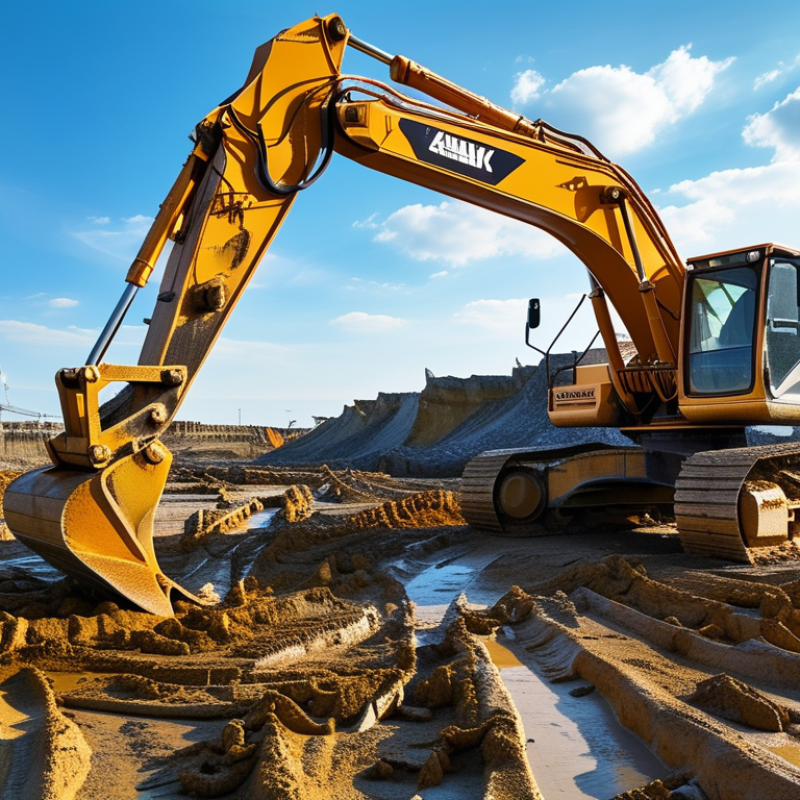
Define Trackhoe Rental: 20–25-Ton Excavators for Common Earthworks
Why Choose Trackhoe Rental for Construction Projects?
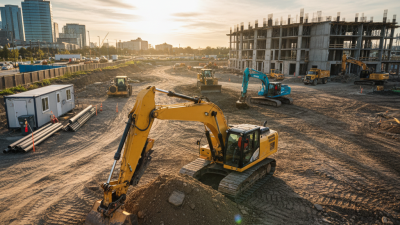
A trackhoe rental usually means a tracked excavator weighing about 20–25 tons. This size suits common earthworks, including trenching, foundation digging, grading, drainage, and site clearing. Its tracks spread weight across soft ground and provide steady control near slopes or uneven pads. A skilled operator can dig several feet below grade while keeping the bucket aligned with marked lines. Rental access also avoids long-term ownership costs, storage demands, and seasonal maintenance.
The best machine depends on the soil, access, and attachment required. A standard digging bucket handles clay, sand, and mixed fill, while a narrow bucket improves utility trench accuracy. Check the working radius before delivery. A machine may reach the trench, but its tail swing could threaten fencing or nearby structures. Confirm ground bearing conditions, transport access, and operator qualifications. One recurring mistake is choosing by tonnage alone. It seems reasonable, but site geometry often matters more.
Tips: Inspect tracks, hydraulic hoses, bucket teeth, alarms, and fluid levels before use. Photograph existing damage and record operating hours. Keep spoil piles away from trench edges, and follow the project’s safety plan. Wet clay can slow production sharply. Plan for it. A short trial excavation may reveal unexpected rock, buried debris, or unstable soil, so schedules should retain some flexibility.
| Data Dimension | Typical 20–25-Ton Trackhoe Range | Why It Matters on a Project | Practical Planning Note |
|---|---|---|---|
| Equipment definition | Tracked hydraulic excavator with an operating weight of approximately 20–25 metric tonnes | Provides a balance of digging force, lifting capacity, mobility, and transportability | Suitable for general excavation, utility work, grading, trenching, and site preparation |
| Engine power | Typically about 110–180 horsepower, depending on configuration and emissions standard | Supports hydraulic performance when working in dense soil, clay, or partially weathered material | Confirm available power, hydraulic flow, and attachment requirements before booking |
| Bucket capacity | Common general-purpose buckets are approximately 0.8–1.5 cubic metres | Affects material volume moved per cycle and the number of truck loads required | Use a smaller bucket for dense material or precise trenching and a larger bucket for loose soil |
| Maximum digging depth | Approximately 6.0–7.0 metres with a typical digging configuration | Allows many drainage, foundation, basement, and utility excavations to be completed from the surface | Actual depth depends on boom, arm, bucket, track position, and machine configuration |
| Maximum digging reach | Approximately 9.0–10.5 metres at ground level for many standard configurations | Improves working coverage and reduces the need to reposition the excavator frequently | Maintain safe setback distances from edges, structures, underground services, and traffic areas |
| Typical earthwork applications | Bulk excavation, trenching, utility installation, roadwork, pond digging, grading, and demolition support | One machine class can cover several common construction tasks | Select attachments according to the material and finish requirements of each task |
| Hydraulic attachment capability | Often compatible with buckets, hydraulic breakers, compactors, augers, grapples, and thumbs | Expands the machine’s use beyond digging and can reduce the need for additional equipment | Verify auxiliary hydraulic flow, coupler type, attachment weight, and operator certification |
| Ground pressure | Commonly around 45–65 kilopascals, varying with track width and operating weight | Tracked undercarriages generally distribute weight better than wheeled machines on many job sites | Use wider tracks or ground-protection measures where soil is soft, sensitive, or easily damaged |
| Typical fuel consumption | Approximately 12–25 litres per operating hour under mixed conditions | Fuel use influences operating costs, refuelling frequency, and daily productivity | Actual consumption varies with engine load, idle time, material, operator technique, and maintenance |
| Indicative production capacity | Often about 80–200 cubic metres per hour in bulk excavation, subject to site conditions | Helps estimate project duration and coordinate trucks, stockpiles, and disposal areas | Treat this as a planning range; cycle time, soil type, bucket fill, swing angle, and truck placement are critical |
| Transport requirement | Usually transported by a heavy low-loader or similar specialized equipment | Enables relocation between sites but requires route, loading, and permit planning | Check machine dimensions, transport weight, local road restrictions, and loading access |
| Rental cost structure | Normally quoted by day, week, or month; rates vary by location, configuration, duration, and attachments | Rental allows project-specific access without purchasing and maintaining a full-time machine | Request a written quote covering delivery, pickup, fuel, insurance, damage responsibility, and overage hours |
| Best rental duration | Short-term hire suits isolated earthworks; weekly or monthly hire suits continuous excavation programs | The rental period can be matched to the actual construction schedule | Allow time for site preparation, weather delays, inspections, and attachment changes |
| Main rental advantage | Lower upfront commitment with access to a high-capacity excavator when needed | Can improve cash-flow control and reduce long-term ownership costs for occasional use | Compare total rental cost with ownership, including financing, storage, service, repairs, depreciation, and utilization |
Related Posts
-
Top 10 Best Trackhoe Rental Options for Your Construction Needs?
-

How to Choose the Right Trackhoe Rental for Your Construction Project in 2025
-
What is Trackhoe Rental and How to Choose the Right One for Your Project
-

Top 10 Tips for Choosing the Best Trackhoe Rental Service for Your Project
-
Why Trackhoe Rental is Essential for Your Construction Project?
-
Why Choose Equipment Rental for Your Next Project?