10 Best Mini Excavators for Every Budget?
Choosing among the 10 Best Mini Excavators for Every Budget requires more than comparing purchase prices. A low-cost machine may look attractive, yet worn tracks, weak hydraulics, or limited dealer support can increase ownership costs. This guide examines mini excavators through practical details, including operating weight, digging depth, tail-swing design, hydraulic flow, attachment compatibility, and operator comfort. Small differences matter on a muddy residential site.
Greg Worley, a Caterpillar product application specialist, puts it plainly: “The right machine depends on the job, not simply the size.” That advice deserves attention. A compact excavator for landscaping may need smooth controls and a narrow width, while utility work often demands greater reach and stronger auxiliary hydraulics. Used buyers should inspect the boom pins, cylinders, undercarriage, and maintenance records carefully. Do not trust a clean paint job alone.
Budget changes the decision.
Entry-level models can handle trenching, drainage, and light grading. Mid-range machines often offer better cabs, lifting stability, and attachment performance. Premium models may justify their cost through fuel efficiency, uptime, and resale value. Still, every comparison has limits. Local soil, transport costs, financing terms, and available service can change the outcome.
This list aims to make those trade-offs clearer. It does not pretend one excavator fits everyone. Instead, it highlights where each model performs well, where it compromises, and which buyer should think twice before purchasing. Expect useful guidance, but verify specifications with the manufacturer and your local dealer.
Mini Excavator Basics: Size, Power, Attachments, and Primary Uses
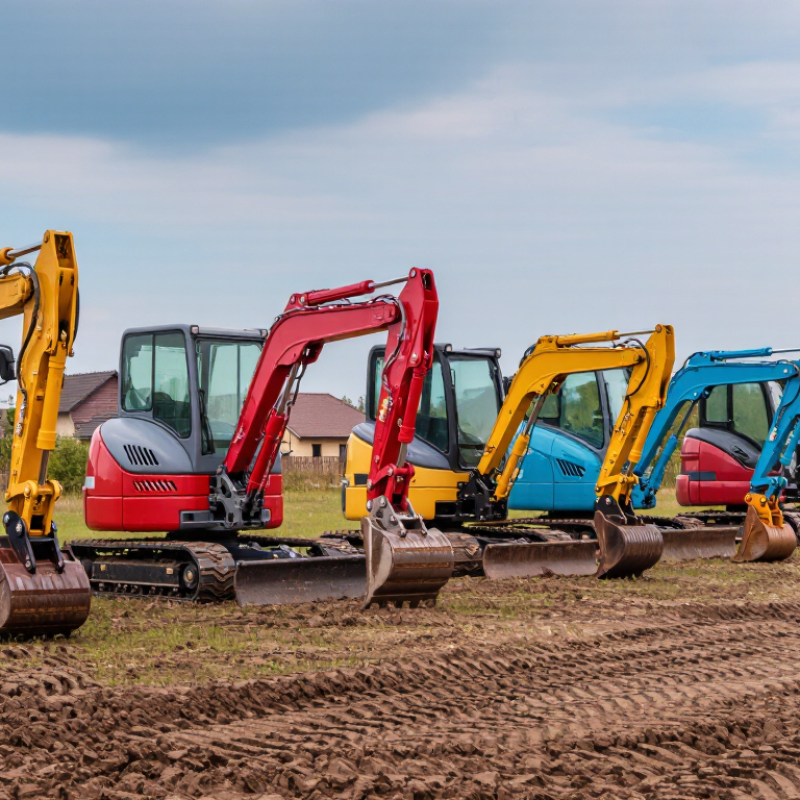
Choosing among the 10 best mini excavators starts with operating weight, not appearance. Under two tonnes suits backyard drainage, landscaping, and narrow gates. Models from two to five tonnes offer stronger digging depth and lifting stability. Larger units can approach 70 horsepower and handle utility work, trenching, and light demolition.
EquipmentWatch’s 2024 Rental Rate Blue Book evaluates excavator costs by operating weight, hours, region, and attachment. That matters when comparing a low purchase price with long-term ownership. A hydraulic thumb improves log handling. An auger drills post holes. A tilt bucket helps finish slopes. However, extra attachments increase hydraulic demand, transport weight, and maintenance points. Real jobsite experience shows that maximum digging force is often less important than tail swing, transport width, and control quality. I still overvalue power sometimes.
The Association of Equipment Manufacturers’ 2024 market data separates compact excavators from larger crawler equipment, reflecting their different work patterns and buyer needs. Check engine power, maximum reach, bucket breakout force, and auxiliary flow. Also verify ground pressure before working on lawns or soft soil. OSHA excavation guidance requires competent hazard evaluation around trenches and underground services.
Tips: Match the machine to the hardest recurring task, not the occasional one. Measure every gate. Confirm trailer capacity. Budget for a coupler, spare hoses, and operator training. A smaller excavator may work better when access is difficult.
10 Best Mini Excavators for Every Budget?
Mini Excavator Basics: Size, Power, Attachments, and Primary Uses
The chart compares common mini and compact excavator classes using representative specifications. Smaller machines generally offer lower purchase and transport costs, while larger classes provide greater digging depth, lifting capacity, and attachment performance. Typical attachments include buckets, hydraulic breakers, augers, grapples, grading blades, and tilt buckets. Actual specifications vary by configuration, counterweight, arm length, and operating conditions.
How to Choose a Mini Excavator Based on Budget and Job Requirements
Choosing among the 10 best mini excavators starts with the job, not the advertised price. A low-cost machine may suit trenching, landscaping, and light soil work. A larger model handles deeper digging, heavier buckets, and frequent lifting. Measure twice.
For tight backyards, check machine width, tail swing, transport weight, and maximum digging depth. A zero-tail-swing design can reduce wall damage, but it may sacrifice some lifting stability. Match hydraulic flow to attachments such as augers, breakers, or grading buckets. More power is not always better. It can increase fuel use and surface damage.
Your real budget includes delivery, fuel, insurance, maintenance, and attachment costs. I have seen buyers focus on purchase price and overlook worn tracks or leaking hydraulic lines. Inspect the boom pins, blade, hoses, and undercarriage before buying used equipment. Request service records, then test every control slowly. That matters.
For occasional work, renting can protect cash flow and reveal the right size. For daily production, prioritize dealer support, parts availability, operator comfort, and warranty terms. Experienced operators should compare cycle times and stability under realistic loads. New operators may benefit from simpler controls and strong visibility. I would also leave room for mistakes, because the first estimate is rarely perfect. A machine that fits the site may outperform a more powerful model that arrives late, costs more to move, or cannot use your preferred attachments.
The Best Mini Excavators for Entry-Level and Low-Cost Buyers
10 Best Mini Excavators for Every Budget?
The Best Mini Excavators for Entry-Level and Low-Cost Buyers
Entry-level buyers should compare working weight, digging depth, and service access before chasing the lowest price. A compact excavator around 1.5 to 3 tons suits garden grading, drainage work, trenching, and small foundation jobs. Smaller machines transport easily, but they may struggle in dense clay or rocky ground.
That limitation matters.
Look for simple hydraulic controls, a stable undercarriage, and a thumb attachment that matches your tasks. A canopy can reduce cost, while a cab improves comfort during long, wet jobs. Check the bucket pins, boom joints, tracks, and hydraulic hoses in person. Excessive movement or fresh oil stains can signal expensive repairs. Ask for maintenance records, not promises.
Used equipment may offer better value, especially when local parts and qualified technicians are available. Still, an inexpensive machine with worn tracks can quickly exceed its original savings. Measure trailer capacity and transport regulations before purchasing.
Fuel use also matters on small jobs; idle time quietly raises operating costs. I would not choose purely by engine power. A cheaper excavator may feel attractive, yet slow cycle times can make each project frustrating.
Some buyers overlook operator training, too. That mistake is costly. Even a small machine can damage utilities, slopes, or nearby structures when handled carelessly.
Mid-Range Mini Excavators for Versatility, Comfort, and Productivity
Mid-range mini excavators sit between light landscaping tools and full-size production machines. Their sweet spot is usually 4 to 8 tonnes, offering stronger digging force without excessive transport demands. According to the 2024 Research and Markets excavator outlook, the global excavator sector is projected to grow at roughly 4% annually through 2030. Compact equipment benefits from this expansion, especially where urban access and reduced ground disturbance matter.
A useful mid-range model should provide about 2,500 to 6,000 millimetres of digging depth. It should also deliver smooth auxiliary hydraulic flow for augers, breakers, and compactors. Operator comfort affects productivity more than many buyers expect. A spacious cab, low vibration, clear sightlines, and simple controls reduce fatigue during long trenching days. The American Rental Association reported continued growth in construction equipment rental revenue during its 2024 forecast, showing why versatile machines remain attractive to contractors avoiding large capital commitments.
Watch the transport math.
A heavier excavator may dig faster, yet it can require a larger trailer and stricter site planning. That cost is easy to overlook. A perfect machine is mostly a myth. I would compare real fuel use, attachment compatibility, service access, and resale evidence before trusting brochure horsepower. Field trials still matter. Mud, uneven ground, and rushed operators expose weaknesses that laboratory figures cannot.
Premium Mini Excavators for Heavy-Duty Performance and Long-Term Value
10 Best Mini Excavators for Every Budget?
Premium mini excavators are built for demanding work, not just attractive specifications. Strong hydraulic systems maintain digging force through dense clay, gravel, and compacted soil. A reinforced boom reduces flex during repeated trenching. Steel track frames also matter on uneven ground. They protect stability when the machine works beside foundations or drainage lines. Premium models usually offer smoother controls, better operator visibility, and stronger cooling systems. These details reduce fatigue during long shifts. They can also protect long-term value when maintenance records remain complete.
I once overestimated a smaller excavator’s lifting capacity on a cramped landscaping project. The machine performed well, but slow cycles cost valuable hours. That experience changed how I compare equipment. I now check rated lift charts, auxiliary hydraulic flow, tail swing, and service access before discussing price. Easy access to filters and grease points can save many hours annually. Still, premium does not automatically mean perfect. Some machines include features that a small contractor may rarely use.
Tips: Match the excavator to your hardest regular task, not your occasional maximum job. Inspect the undercarriage closely, especially rollers, sprockets, and track tension. Request a cold-start demonstration and listen for unusual hydraulic noise. Review warranty coverage, technician availability, and expected parts costs. A slightly higher purchase price may be sensible when downtime threatens project schedules. Keep written service records from the first operating hour. That habit supports reliability and resale value.
10 Best Mini Excavators for Every Budget? — Premium Mini Excavators for Heavy-Duty Performance and Long-Term Value
| Rank |
Excavator Class |
Typical New Price (USD) |
Operating Weight |
Engine Power |
Maximum Digging Depth |
Maximum Reach at Ground Level |
Bucket Breakout Force |
Tail-Swing Design |
Best Application |
Value Rating |
| 1 |
0.8–1.2-ton Compact Mini |
$18,000–$28,000 |
800–1,200 kg |
10–15 hp |
1.7–2.2 m |
3.0–3.7 m |
7–11 kN |
Zero or minimal tail swing |
Landscaping, narrow gates, light trenching |
4.0/5 |
| 2 |
1.5-ton Compact Mini |
$24,000–$38,000 |
1,400–1,700 kg |
16–20 hp |
2.2–2.5 m |
3.8–4.3 m |
12–17 kN |
Zero or reduced tail swing |
Utility work, drainage, residential foundations |
4.2/5 |
| 3 |
2-ton Versatile Mini |
$30,000–$45,000 |
1,900–2,300 kg |
18–25 hp |
2.4–2.8 m |
4.2–4.8 m |
16–22 kN |
Zero or short tail swing |
General construction and rental fleets |
4.4/5 |
| 4 |
2.5–3-ton Heavy-Duty Mini |
$38,000–$58,000 |
2,500–3,200 kg |
24–35 hp |
2.7–3.2 m |
4.8–5.5 m |
20–28 kN |
Reduced tail swing |
Driveways, septic systems, hard soil and rock |
4.6/5 |
| 5 |
3.5–4-ton Performance Mini |
$48,000–$70,000 |
3,500–4,300 kg |
30–45 hp |
3.1–3.6 m |
5.4–6.2 m |
25–34 kN |
Zero or reduced tail swing |
Commercial landscaping and utility installation |
4.5/5 |
| 6 |
5-ton Premium Mini |
$58,000–$85,000 |
4,800–5,500 kg |
38–55 hp |
3.5–3.9 m |
6.1–6.8 m |
31–42 kN |
Reduced tail swing |
Heavy trenching, grading and site preparation |
4.7/5 |
| 7 |
6-ton High-Performance Mini |
$70,000–$98,000 |
5,800–6,500 kg |
45–65 hp |
3.8–4.2 m |
6.7–7.5 m |
38–50 kN |
Conventional or reduced tail swing |
Roadwork, foundations and demanding attachments |
4.6/5 |
| 8 |
7–8-ton Contractor Mini |
$82,000–$115,000 |
7,000–8,500 kg |
55–75 hp |
4.0–4.6 m |
7.3–8.2 m |
45–60 kN |
Conventional tail swing |
Large-scale excavation and heavy lifting support |
4.5/5 |
| 9 |
9–10-ton Premium Compact Excavator |
$105,000–$145,000 |
9,000–10,500 kg |
65–95 hp |
4.5–5.1 m |
8.0–9.0 m |
55–72 kN |
Conventional tail swing |
Production digging, demolition and municipal work |
4.7/5 |
| 10 |
10–12-ton Heavy-Duty Mini |
$125,000–$175,000 |
10,500–12,500 kg |
80–110 hp |
5.0–5.7 m |
8.8–10.0 m |
65–85 kN |
Conventional tail swing |
Maximum digging force, quarry support and infrastructure projects |
4.6/5 |