How to Choose the Best Excavator Rental for Your Project?
Choosing the right excavator rental can shape your project’s safety, schedule, and final cost. A machine that looks powerful in a yard may perform poorly on soft ground or in a narrow backyard. The best choice depends on your digging depth, soil conditions, access limits, attachment needs, and daily workload.
Experienced contractors usually begin with the project details, not the machine’s appearance. Measure the work area carefully. Check gate widths, overhead cables, ground strength, and transport access. Then compare operating weight, bucket capacity, hydraulic performance, and digging reach. A compact excavator may suit drainage work beside a house, while a larger model may handle deep trenching more efficiently. The wrong size can waste fuel and create avoidable delays.
Inspect the rental provider’s maintenance records and service response. Ask whether the excavator has recent inspections, functioning safety controls, and suitable attachments. Confirm delivery terms, operating instructions, damage policies, and required insurance before signing. Local site rules may also affect equipment use, operator qualifications, and transport arrangements. Reliable providers should answer these questions clearly.
Small details matter.
A cheaper excavator may appear attractive, but downtime can quickly erase the saving. Even experienced teams can misjudge ground conditions or underestimate clearance requirements. That is worth admitting before equipment arrives. This guide explains how to compare excavator rental options with practical judgment, technical awareness, and realistic cost planning. It also highlights common selection mistakes, helping you choose equipment that fits the site rather than forcing the site to fit the machine.
Project Requirements: Define the Excavator’s Purpose, Scope, and Worksite Conditions
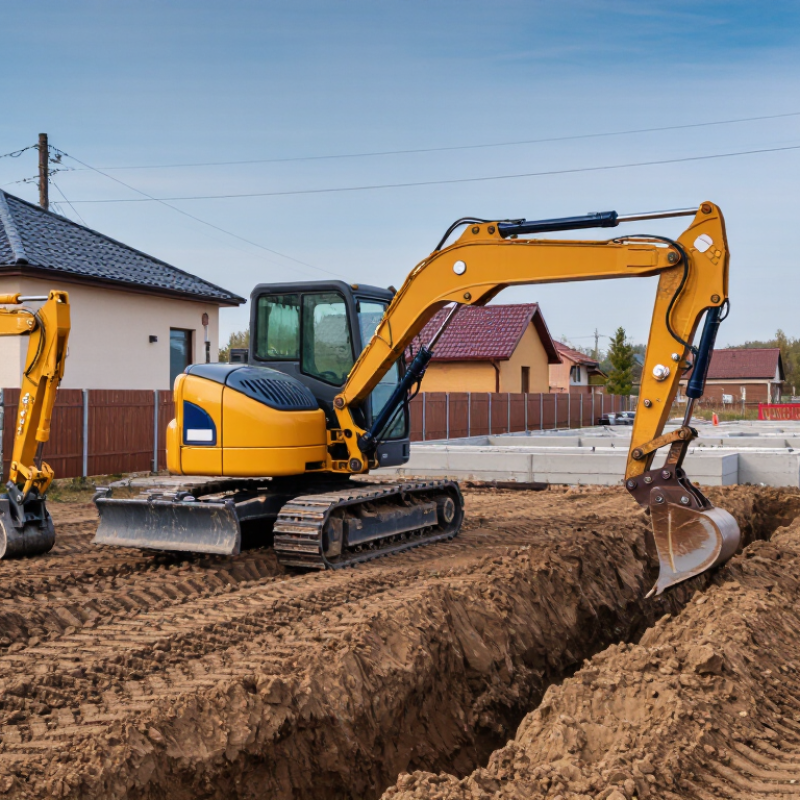
Choosing an excavator rental starts with the job, not the machine’s advertised size. Define the purpose clearly: trenching, foundation digging, grading, demolition, or material handling. Each task demands different digging force, reach, attachments, and controls. A narrow trench may need a compact excavator with a slim bucket. Deep foundation work may require greater boom reach and hydraulic capacity. Record the expected production rate, digging depth, soil type, and daily operating hours. Guessing here can create expensive delays.
Walk the worksite before contacting rental providers. Measure gate widths, overhead clearance, turning space, slopes, and ground strength. Check for wet soil, loose gravel, buried utilities, and nearby structures. These details affect machine weight, track design, tail swing, and transport planning. I have seen crews choose powerful equipment that could not pass the entrance. That mistake is avoidable. Still, site notes are often incomplete after rain. Recheck them in actual conditions, not from memory.
Match the excavator to the operator’s experience and attachment plan. Confirm controls, maintenance records, inspection status, and emergency support before signing. Ask whether buckets, breakers, augers, or hydraulic thumbs fit the machine. An attachment can change balance and fuel use. It may also expose a weak hydraulic system. Do not accept vague answers. Request documented specifications and a recent inspection report. If production estimates feel optimistic, reduce them and test the plan against a difficult shift. Real ground rarely behaves like the spreadsheet.
How to Choose the Best Excavator Rental for Your Project
Compare typical excavator size and digging depth according to project purpose, scope, and worksite conditions.
Utility trenching commonly uses compact machines for restricted access, while foundations, road drainage, and land clearing generally require progressively heavier excavators for greater reach, lifting capacity, and bucket productivity. The figures are representative planning values based on common rental-class specifications; confirm the exact operating weight, maximum digging depth, and attachment requirements before booking.
Excavator Types and Sizes: Match Machine Specifications to Your Work
Choosing an excavator starts with the work, not the advertised horsepower. Mini excavators under 6 tonnes suit narrow gardens, utility trenches, and indoor demolition. Their compact tails reduce damage near walls. Mid-size machines, around 10 to 20 tonnes, offer stronger digging force for drainage, foundations, and general earthmoving. Large excavators exceed 20 tonnes and move bulk soil efficiently, but they need firm access and transport planning.
The U.S. Bureau of Labor Statistics reported that construction employment exceeded 8 million workers in 2024, showing the scale of equipment demand. Equipment rental also remains important for contractors managing fluctuating workloads. EquipmentWatch’s 2024 Rental Rate Blue Book stresses that hourly ownership and operating costs vary with age, attachments, utilization, and local conditions. That detail matters. A cheap daily rate can become expensive when the bucket is wrong, fuel use rises, or delivery delays stop the crew.
Tips: Measure gate widths, working height, ground pressure, and digging depth before requesting quotes. Match the attachment to the soil. Hydraulic thumbs help with debris, while narrow buckets improve trench accuracy. Ask for actual operating weight, not only the machine class. A slightly smaller excavator may work better on soft ground, although I have seen teams choose extra power and later regret the surface damage. Check inspection records, service intervals, and operator controls. Reports help, but the site still decides.
How to Choose the Best Excavator Rental for Your Project? - Excavator Types and Sizes: Match Machine Specifications to Your Work
| Excavator Type | Typical Operating Weight | Typical Engine Power | Typical Maximum Digging Depth | Typical Bucket Capacity | Best-Suited Projects | Key Advantages | Important Rental Considerations |
|---|---|---|---|---|---|---|---|
| Mini Excavator | 1–6 metric tons | 13–55 hp | 1.8–4.0 m | 0.02–0.25 m³ | Landscaping, residential utility work, trenching, pool installation, and work in confined areas | Compact dimensions, low ground disturbance, and easy transport | Confirm tail-swing clearance, transport weight, attachment compatibility, and access width |
| Small Excavator | 6–10 metric tons | 45–75 hp | 3.5–5.5 m | 0.20–0.45 m³ | Drainage, foundation preparation, road maintenance, and medium-sized landscaping jobs | Balances maneuverability, digging performance, and transport efficiency | Check site access, required lifting capacity, ground-bearing conditions, and local transport rules |
| Medium Excavator | 10–20 metric tons | 70–150 hp | 5.5–7.0 m | 0.45–1.00 m³ | Commercial construction, large foundations, sewer installation, site preparation, and material loading | Strong digging force, productive cycle times, and a broad attachment range | Verify haul-road conditions, working-radius requirements, fuel usage, and lifting chart limits |
| Large Excavator | 20–35 metric tons | 140–300 hp | 6.5–8.5 m | 0.90–2.00 m³ | Heavy excavation, quarry work, major earthmoving, bulk loading, and large infrastructure projects | High breakout force, deep reach, and high production for large material volumes | Plan low-bed transport, confirm ground stability, allow sufficient swing space, and assess fuel logistics |
| Long-Reach Excavator | 20–45 metric tons | 150–350 hp | 10–20 m | 0.30–1.20 m³ | Canal cleaning, slope work, dredging, deep excavation, and operations requiring extended reach | Reaches distant or deep work areas while keeping the base farther from the excavation edge | Prioritize stability, reach at the required depth, attachment weight, and reduced digging force at full extension |
| Zero-Tail-Swing Excavator | 1.5–8 metric tons | 15–70 hp | 2.0–5.5 m | 0.03–0.40 m³ | Urban construction, roadside repairs, indoor demolition, and projects beside walls or traffic lanes | Rear counterweight stays within or close to the track width for safer operation in restricted spaces | Check front swing envelope, side-shift capability, operator visibility, and overhead obstructions |
| Wheeled Excavator | 10–25 metric tons | 90–200 hp | 4.5–7.0 m | 0.30–1.00 m³ | Roadside utility work, municipal maintenance, site-to-site work, and paved-surface operations | Travels quickly between locations and generally causes less damage to paved surfaces than tracked machines | Review road-registration requirements, tire condition, stabilizer setup, and performance on soft ground |
| Crawler Excavator | 5–50+ metric tons | 40–500+ hp | 4.0–9.0+ m | 0.20–3.50+ m³ | General earthmoving, slopes, rough terrain, foundations, mining, and large-scale infrastructure work | Excellent stability, traction, and performance on uneven or soft ground | Allow time and budget for tracked transport; inspect undercarriage wear and confirm ground pressure needs |
| Heavy-Duty Excavator | 35–90+ metric tons | 250–800+ hp | 7.0–12.0+ m | 1.50–6.00+ m³ | Mining, mass excavation, major quarrying, demolition, and high-volume material handling | Maximum digging force and production capacity for demanding, continuous-duty applications | Requires engineered transport, substantial working space, qualified operators, and verified site access |
Planning note: Specifications vary by excavator configuration, boom and arm length, bucket type, counterweight, and operating conditions. Confirm the rental unit’s manufacturer specifications and lifting chart before booking.
Rental Features: Compare Attachments, Capacity, Power, and Operating Limits
Choosing the best excavator rental starts with the attachment, not the advertised horsepower. A trenching bucket suits narrow utility work, while a wide bucket improves loading speed in loose soil. Hydraulic breakers need sufficient flow and pressure. Check the rental sheet for both values. The American Rental Association forecast U.S. equipment rental revenue at $78.7 billion in 2024, showing how widely contractors depend on flexible machine access.
Capacity must match the real job. Compare digging depth, lift capacity, bucket volume, and tail-swing clearance. ISO 10567 evaluates excavator lifting limits using tipping and hydraulic capacity criteria. Never treat maximum lift as a normal working load. Keep the load chart visible in the cab. Ground slope, arm reach, and bucket position can reduce practical capacity quickly. Small details matter.
Power is useful only when the hydraulic system supports the attachment. Ask for rated flow at operating pressure, not engine power alone. Also check transport width, machine weight, fuel use, and daily operating limits. EquipmentWatch’s 2024 Rental Rate Blue Book emphasizes configuration, age, and utilization when comparing rental costs. I still hesitate to trust a low daily rate without inspecting the actual unit. Worn pins, leaking hoses, or a damaged quick coupler can erase the savings. Test controls before leaving the yard. That shortcut can fail.
Rental Providers: Evaluate Equipment Quality, Pricing, Support, and Terms
Choosing the best excavator rental starts with inspecting the machine, not comparing prices alone. Ask for its service records, operating hours, and recent inspection results. Check the tracks, hydraulic hoses, bucket teeth, lights, and warning systems. A clean cab helps, but appearance can mislead. Test the controls before signing anything.
Pricing should show the complete cost. Request a written quote covering delivery, pickup, fuel, attachments, damage charges, and overtime rates. A low daily rate may become expensive when transport fees appear later.
Compare the machine’s size and digging depth with your site requirements. Paying for excessive capacity wastes money, while an undersized excavator can slow production.
Support matters when work stops unexpectedly. Confirm the provider’s response time, replacement policy, and after-hours contact process. Ask whether a technician can reach your site quickly. Read the rental terms carefully, especially responsibility for breakdowns, weather delays, ground damage, and cancellation fees.
I once overlooked a vague idle-time clause, and the final invoice was higher than expected. That mistake still influences how I review contracts.
Keep photos of the machine before delivery and record existing damage with the provider’s representative. Small details protect both sides. A reliable rental partner explains limitations clearly instead of promising everything. Their answers should be specific, documented, and easy to verify.
Final Selection: Confirm Safety, Delivery, Insurance, and Contract Details
Before signing an excavator rental, confirm how the machine will work on your actual site. Ask for recent inspection records, maintenance history, and safety instructions. Check the cab, tracks, hydraulic lines, bucket pins, alarms, and emergency controls during handover. Small defects can become expensive delays.
Delivery details deserve equal attention. Measure the entrance, turning area, and working zone before transport arrives. Confirm ground strength, overhead clearance, road restrictions, and unloading space. A tracked excavator may still damage soft soil without protective mats. Give the rental company clear site photos and a contact person. Delivery timing should include realistic loading and unloading windows, not just an arrival date.
Insurance terms often look simple but are not. Verify required liability coverage, damage responsibilities, deductibles, theft conditions, and exclusions for misuse or unstable ground. Ask whether an operator is included and who covers accidental damage during operation. The contract should list rental hours, fuel rules, attachments, weather delays, breakdown response, cancellation charges, and return conditions. Read every handwritten change. I once focused too much on the hourly rate and missed a transport fee. That mistake changed the real project cost. Request written answers, keep inspection photos, and record the machine’s hour meter at delivery and return. Local requirements may differ, so confirm details with a qualified insurance or contract professional.
Related Posts
-
What Are the 2026 Best Trackhoe Rental Options?
-
Why Choose Trackhoe Rental for Construction Projects?
-
2026 Top Excavator Rental Services for Construction Projects?
-
China Top 10 Trackhoe Rental Companies for Global Buyers
-

How to Choose the Right Trackhoe Rental for Your Construction Project in 2025
-
What is Trackhoe Rental and How to Choose the Right One for Your Project