What Is an Excavator Machine and How Does It Work?
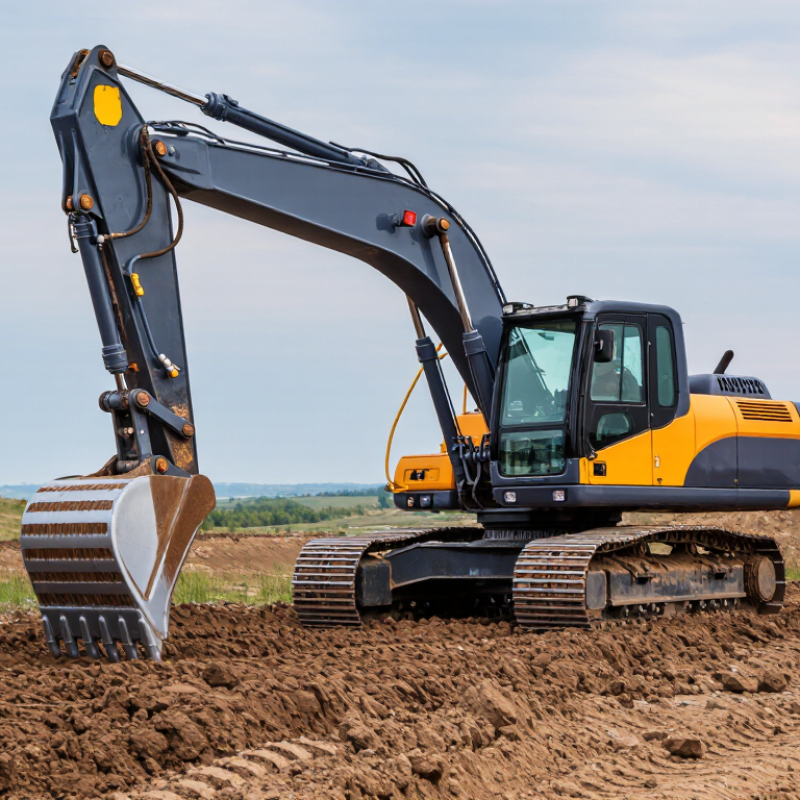
An excavator machine is more than a tracked vehicle with a bucket. It is a carefully balanced hydraulic system designed to dig, lift, rotate, and place material. Its main components include the undercarriage, house, boom, arm, bucket, engine, and hydraulic pumps. Tracks provide stability on uneven ground. The rotating house allows operators to work within a wide radius without moving the entire machine.
Earthmoving historian Keith Haddock describes the excavator as “a machine designed to dig, lift, and swing with controlled power.” This idea explains its operating principle clearly. The engine drives hydraulic pumps, which send pressurized oil through valves and hoses. That oil moves hydraulic cylinders attached to the boom, arm, and bucket. A separate swing motor turns the upper structure. Small control movements can produce considerable force, so operator experience remains essential.
In practice, soil type changes everything. Clay may cling to the bucket, while loose gravel falls quickly. A skilled operator adjusts engine speed, bucket angle, and digging depth to reduce strain. Poor technique wastes fuel and accelerates wear. It also creates unstable working conditions. The explanation is not perfect without mentioning maintenance. Dirty hydraulic oil, worn tracks, or damaged teeth can change machine behavior noticeably. Regular inspections, correct attachments, and safe distances from edges support reliable operation. Understanding how an excavator machine works helps owners choose equipment wisely and helps operators use its power with greater control.
Excavator Machine: Definition, Purpose, and Main Uses
An excavator machine is a tracked or wheeled construction vehicle designed for digging, lifting, and material handling. Its main parts include a boom, arm, bucket, cab, engine, and hydraulic system. The operator controls hydraulic cylinders, which move the boom, arm, and bucket with steady force. Tracks provide stability on uneven ground, while wheels offer faster travel on firm surfaces.
Excavators are used for trenching, foundation work, demolition, drainage installation, and site preparation. A narrow bucket can cut utility trenches, while a larger bucket removes soil quickly. Some machines use breakers, grapples, or augers for specialized tasks. The upper structure can rotate almost fully around its base, helping operators work efficiently in tight areas. However, efficiency depends on correct attachment choice, soil conditions, and operator judgment. A powerful machine can still perform poorly when the work plan is unclear.
Tips: Inspect hydraulic hoses, bucket teeth, and track tension before operation. Keep bystanders outside the swing radius. Match the bucket size to the material and trench width. Soft ground may require mats or a wider undercarriage. Avoid lifting loads beyond the machine’s rated capacity. Small mistakes matter. Careful positioning improves safety, fuel use, and digging accuracy. A practical site assessment should guide every movement, even when the job appears simple.
What Is an Excavator Machine and How Does It Work?
An excavator is a tracked or wheeled construction machine that uses a hydraulic system to move a boom, arm, and bucket. It is commonly used for digging, trenching, lifting, grading, demolition, and material handling.
Typical Excavator Operating Weight by Machine Class
The figures show representative operating weights commonly associated with major excavator classes. Actual specifications vary according to attachment, undercarriage, counterweight, and machine configuration.
Core Components and Their Functions
An excavator is a tracked or wheeled machine designed for digging, lifting, and controlled material handling. Its power comes from a diesel engine or electric drive system. The engine turns hydraulic pumps, which pressurize oil throughout the machine. Without steady hydraulic pressure, the excavator becomes slow, weak, and difficult to control.
The undercarriage supports movement and includes tracks, rollers, sprockets, and a final drive. Tracks spread the machine’s weight across soft ground. Above it, the house rotates on a swing bearing. This upper structure contains the engine, counterweight, operator’s cab, and hydraulic equipment. The counterweight balances the boom during lifting. It also reduces sudden tipping risks, though it cannot correct poor ground conditions.
The working group has three main parts: boom, arm, and bucket. The boom raises or lowers the arm. The arm extends forward and draws material inward. The bucket cuts soil, holds it, and releases it at the dumping point. Hydraulic cylinders control each movement with separate valves and hoses. Small leaks matter. They can reduce performance and create safety hazards. Before operation, experienced operators check fluid levels, hose damage, pin wear, and unusual sounds. A clean filter may protect the pump, but maintenance schedules are not always enough. Dust, heat, and careless loading can change real conditions. That is where careful judgment remains essential.
How an Excavator Operates Step by Step
What Is an Excavator Machine and How Does It Work?
How an Excavator Operates Step by Step
An excavator combines a tracked undercarriage, rotating house, boom, arm, and bucket. Its diesel engine or electric motor powers hydraulic pumps. These pumps send pressurized fluid through control valves. The operator moves joysticks, not the attachments directly. Small movements can produce powerful digging forces.
The cycle begins when the operator positions the tracks and levels the machine. The boom lowers, while the arm extends toward the soil. The bucket teeth enter the ground at a controlled angle. Hydraulic cylinders then curl the bucket and trap the material. The operator raises the boom and rotates the house toward the dump area. Releasing the bucket completes the basic cycle. It looks simple.
The process depends on measured control. The U.S. Occupational Safety and Health Administration emphasizes stable surfaces, visibility, and safe swing-clearance practices for excavation equipment. A 2023 report from Off-Highway Research also identifies excavators as major equipment categories in global construction machinery demand. These figures show market importance, but they do not guarantee efficient operation.
Fuel use, cycle time, soil density, and operator skill still vary sharply. In practice, experienced operators avoid abrupt joystick inputs. They watch hydraulic response, listen for engine strain, and keep the bucket close to the machine when traveling. My explanation simplifies many variables. Wet clay, buried rock, or an uneven slope can change every step. Even a technically sound cycle may waste energy when the attachment angle is wrong.
Different Excavator Types and Work Attachments
Excavators combine a rotating upper structure, tracks, boom, arm, and bucket. Their hydraulic system turns engine power into controlled digging force. The real difference between machines often appears in their types and attachments. A compact excavator fits narrow gardens and indoor renovation areas. A standard excavator handles foundations, trenches, and general earthmoving. Large excavators suit deep cuts and heavy quarry work, where ground pressure and transport limits matter. Wheeled models travel quickly on firm roads, while tracked models remain steadier on soft soil.
Buckets are not interchangeable in practical use. A narrow trenching bucket creates clean utility channels. A wider bucket moves loose soil efficiently but may overload the machine in hard ground. Rock buckets use reinforced edges for abrasive material. A grading bucket helps shape slopes and drainage beds.
Other useful attachments include hydraulic breakers, augers, grapples, compactors, and tiltrotators. Each attachment changes the machine’s balance, visibility, and hydraulic demand. The operator must check flow requirements and connection points before work begins.
I have seen productivity fall when an attachment was chosen only by appearance. It looked suitable. It was not. The breaker needed more hydraulic flow than the excavator could safely provide.
Operators should inspect pins, hoses, teeth, and quick couplers before every shift. They should also match the attachment to soil conditions and lifting limits.
Even skilled operators can misjudge swing clearance near walls or overhead services. A slow test movement often prevents expensive damage. Safety improves when the work plan reflects actual ground conditions, not assumptions.
Safety Practices and Operating Considerations
An excavator is a heavy machine with a rotating house, undercarriage, boom, arm, and bucket. Hydraulic cylinders convert engine power into precise digging movements. That control can feel effortless. Yet every movement carries stored energy. Operators should understand the machine’s load chart, working radius, and attachment limits before starting work.
A walk-around inspection should check hydraulic hoses, tracks, pins, guards, fluid leaks, lights, and the seat belt. Confirm the ground can support the machine, especially near trenches, edges, or recently filled soil. Mark underground utilities and establish a clear exclusion zone. No workers should stand beneath a raised boom or swing within the machine’s blind spots. A trained spotter can improve visibility, but the operator remains responsible for stopping when signals become unclear.
Smooth operation matters more than speed. Keep the bucket low while traveling, maintain three-point stability on slopes, and avoid sudden swings with a full load. Use the attachment only for its intended purpose. Before leaving the controls, lower the bucket, neutralize the controls, engage the parking system, and shut down safely. Never inspect a hydraulic leak with bare hands; pressurized fluid can penetrate skin. No checklist replaces judgment. Experienced operators still miss details when tired, rushed, or distracted. That uncomfortable possibility deserves attention every shift.
Related Posts
-
What is Trackhoe Rental and How to Choose the Right One for Your Project
-
2026 Top Heavy Equipment Rental Trends for Global Buyers
-
Why Choose Equipment Rental for Your Next Project?
-

Top 10 Construction Machinery Innovations Transforming the Industry
-
How to Choose the Best Mini Excavators for Your Projects?
-
Top 10 Earth Moving Equipment Rental Tips for Global Buyers