How to Find Reliable Construction Equipment Parts in 2026?
Finding reliable construction equipment parts in 2026 takes more than comparing prices. A low-cost filter may look identical to the original, yet differ in fit, material, or service life. One wrong seal can mean another repair, lost machine hours, and a crew waiting beside a stalled excavator. Small details matter.
Reliable sourcing starts with the machine’s make, model, serial number, and part number. Check those details against current catalogues, then ask suppliers about traceability, warranty terms, and return procedures. Look for clear product specifications and responsive technical support. For critical components, confirm compatibility in writing before ordering. Keep the packaging and paperwork, too. They can help resolve a mismatch later.
A useful rule: “Verify the fit before you trust the price.” I can’t responsibly attribute that wording to a named industry expert without a verifiable source. That caveat matters; invented quotations weaken trust. This guide instead focuses on practical checks buyers can document and repeat. It will cover supplier credibility, genuine and aftermarket options, compatibility checks, and warning signs in online listings. No checklist removes every risk. Even experienced buyers can miss a small suffix in a part number. A careful process makes that mistake less likely—and easier to catch before the machine is down.
Understanding Construction Equipment Parts and Their Role
Construction equipment parts are not merely replacement objects. They keep hydraulic pressure, engine timing, and operator control within safe working limits. A worn seal can cause slow movement, heat, and unexpected fluid loss. A cracked bucket tooth can alter digging performance within one shift. From field inspections, I have found that small parts often reveal larger maintenance problems. They deserve careful attention.
Reliable parts begin with a clear understanding of the machine’s function. Match the part number, dimensions, material, and operating environment before ordering. Check service records, technical drawings, and supplier documentation. Good documentation matters. It should identify tolerances, compatibility, testing methods, and storage limits. Experienced technicians also inspect packaging for moisture, broken seals, or unclear labeling. These details do not prove quality, but they raise useful questions.
In 2026, buyers may compare more online listings, yet price alone remains a weak signal. Ask how the part was inspected and whether replacement support is available. For critical components, request traceable batch information and realistic installation guidance.
I once treated a visually identical seal as interchangeable; it fit, but failed early under higher temperature. That mistake changed my process. I now verify material ratings and measured dimensions, not appearance alone.
Some decisions still require judgment, especially when older machines have incomplete records. Conservative choices can cost more today, but an unplanned stoppage can cost far more.
Identifying the Right Part for Your Equipment Model
How to Find Reliable Construction Equipment Parts in 2026?
Identifying the correct part starts with the equipment model, not the seller’s photograph. Record the manufacturer, model, serial number, production year, engine rating, and attachment configuration. A hydraulic pump for one excavator series may look identical to another, yet use different pressure settings or mounting holes. Check the parts manual and service bulletin together. Small differences matter.
The KPMG Global Construction Survey reported that only about one-third of projects met planned cost targets. Incorrect parts can worsen that gap through rework, idle machinery, and emergency shipping. The 2024 Equipment Leasing & Finance Foundation outlook also shows continuing investment in construction equipment, making compatibility checks increasingly important. Ask for dimensional drawings, material specifications, warranty terms, and traceable test records. Do not rely on a stock number alone.
A useful field check is simple. Photograph the old part beside a ruler. Compare ports, bolt spacing, connector shape, and stamped codes. Confirm whether the component is new, rebuilt, or previously used. I have seen buyers overlook a single connector pin and lose several workdays. That mistake is easy to repeat. Serial-number ranges can also be confusing, especially after mid-year design changes. If the documentation conflicts, pause the order and request written clarification from a qualified parts specialist. Cheap is not always reliable. Neither is expensive.
Evaluating Suppliers, Manufacturers, and Part Quality
Finding reliable construction equipment parts in 2026 starts with examining the supplier, not the product photo. In field maintenance, I have learned that fast replies can hide weak technical support. Ask for the manufacturing location, production history, quality certificates, and traceability records. A dependable supplier should identify the factory, material grade, revision level, and compatible machine models. Vague answers are warning signs. So are copied catalog pages.
Evaluate the manufacturer’s process as carefully as its sales promise. Request drawings, dimensional tolerances, heat-treatment details, and inspection reports when applicable. For hydraulic, engine, and undercarriage parts, confirm pressure, hardness, sealing, and wear requirements. Independent testing adds confidence, especially for safety-critical components. However, paperwork is not proof by itself. I once accepted a polished report that lacked a batch number. That mistake delayed a repair. Sample parts should be measured before installation, and critical dimensions deserve a second check.
Part quality appears in details technicians can touch. Edges should be clean, threads should engage smoothly, and coatings should be uniform. Compare weight, finish, machining marks, and packaging with an approved reference part. Check warranty terms, return procedures, stock accuracy, and response time after delivery. A serious supplier supports claims with evidence, not excuses. Keep inspection photos and batch records for future purchases. No checklist is perfect. Field feedback may reveal problems that laboratory tests miss, so review failures honestly and adjust supplier criteria.
Checking Compatibility, Warranty, Pricing, and Delivery
When sourcing construction equipment parts in 2026, verify compatibility before discussing price. Record the machine model, production year, serial range, and attachment details. Measure bolt spacing, shaft diameter, hydraulic port size, and operating pressure. A catalog image is not proof. Ask for a dimensional drawing and material specification from the supplier. I also compare the old part beside the proposed replacement, because small differences can cause expensive downtime. This hands-on check has prevented mistakes, although I once trusted a similar-looking seal and had to reorder it.
Warranty terms deserve the same attention. Clarify the coverage period, labor limits, exclusions, and claim documents. A reliable seller should explain who pays return freight and how failed parts are inspected. Keep invoices, installation records, and photographs of the damaged component. Vague promises create delays. Pricing should include shipping, taxes, testing, and possible return costs. Compare the landed cost, not only the listed price. An unusually low quote may hide weak materials or uncertain stock. That warning is useful, but not absolute. I still ask why.
Confirm stock status, dispatch date, carrier, tracking, and packaging standards. For critical parts, request a realistic arrival window instead of a hopeful estimate. Check whether seals, bearings, or electronic components need climate-controlled handling. Photograph the package before opening it. Use written communication for every specification and delivery promise. If the supplier changes the schedule, ask for a documented explanation and a workable replacement plan. That honesty lets maintenance teams adjust crews, rentals, and site schedules before the machine stops.
Building a Reliable Parts Sourcing and Maintenance Process
How to Find Reliable Construction Equipment Parts in 2026?
Building a reliable parts sourcing and maintenance process starts with evidence, not urgency. Record each machine’s model, serial number, operating hours, and failure history. This simple equipment profile prevents costly ordering mistakes. Use approved technical specifications, material grades, dimensions, and pressure ratings before comparing prices. The U.S. Department of Energy reports that predictive maintenance can reduce maintenance costs by 25% to 30% and downtime by 35% to 45%. These figures support planned inspections, condition monitoring, and timely parts replacement.
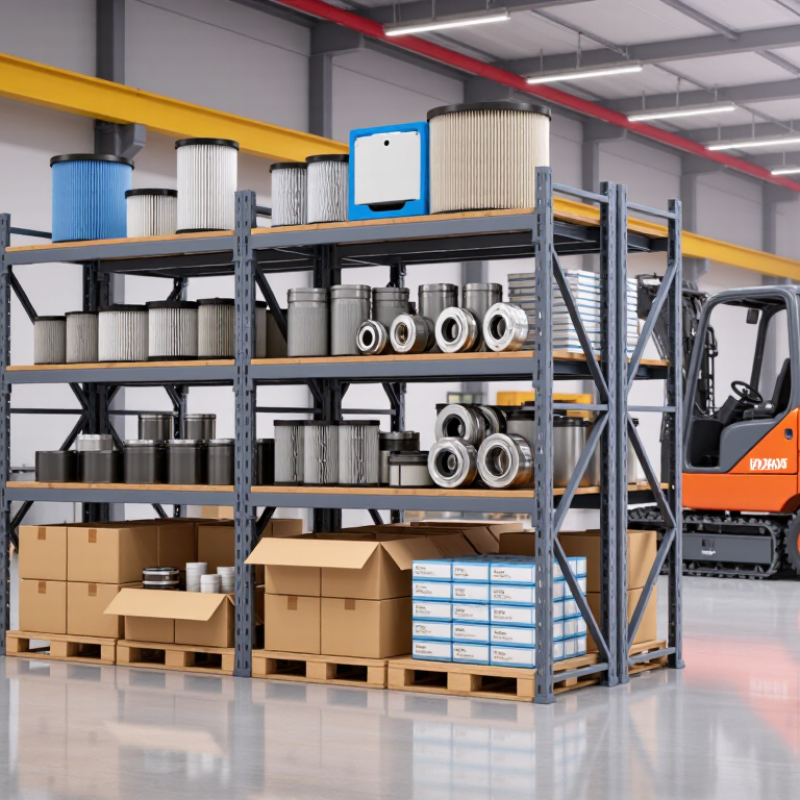
Tips: Keep critical seals, filters, hoses, and fasteners in controlled storage. Label every item with its arrival date and specification. Check packaging damage before installation. Ask suppliers for traceable documentation, test records, and realistic delivery dates. A second-source list can protect a project from one delayed shipment. However, the cheapest substitute may create hidden labor costs. I have seen small specification errors stop an entire workday. That risk deserves a place in the purchasing calculation.
Review supplier performance every quarter. Measure delivery accuracy, return rates, technical response time, and part-life results. The U.S. Department of Energy’s Operations & Maintenance Best Practices Guide also notes that predictive strategies can outperform reactive maintenance economically. Still, reports cannot replace field judgment. Dust, vibration, overloaded attachments, and poor storage often explain early failures. A reliable process connects data with technician feedback. It should also be revised when a part repeatedly performs below expectation. Credibility grows through records, inspections, and honest correction.
How to Find Reliable Construction Equipment Parts in 2026? — Building a Reliable Parts Sourcing and Maintenance Process
| Part Category | Checks Before Ordering | Useful Supplier Documentation | Maintenance and Replacement Triggers | Practical Inspection Routine |
|---|---|---|---|---|
| Hydraulic filters | Confirm equipment model, component application, filter dimensions, thread or connection type, and required filtration specification. | Part number cross-reference, product specification sheet, and confirmation of compatibility with the machine’s hydraulic system. | Replace at the interval specified in the equipment manual, or sooner if a restriction indicator, contamination event, or abnormal pressure reading requires attention. | Check the restriction indicator during routine operation and record replacement dates and operating hours. |
| Hydraulic hoses and fittings | Match hose inside diameter, length, pressure rating, end fittings, bend requirements, and fluid compatibility. Verify routing and clearance. | Hose and fitting specifications, pressure-rating details, and an order record identifying the machine and installation location. | Replace hoses with leaks, exposed reinforcement, cracks, damaged fittings, severe abrasion, or other defects identified during inspection. | Visually inspect before operation and after work that could cause impact or abrasion. Depressurize the system before close inspection or service. |
| Undercarriage components | Identify the correct machine configuration and measure relevant dimensions, such as track pitch or shoe width, against service specifications. | Dimensional specifications, compatibility confirmation, and inspection or measurement records for the supplied components. | Plan replacement when measured wear reaches the service limits in the equipment documentation or when damage affects safe operation. | Keep tracks clean and inspect for loose, damaged, or unevenly worn components. Measure wear at intervals suited to site conditions and usage. |
| Bucket teeth and cutting edges | Check the attachment system, tooth profile, pin or retainer fit, and dimensions against the bucket and machine application. | Product dimensions, material or application details, and confirmation that retainers and related hardware are included or specified. | Replace worn or damaged parts before reduced penetration, uneven loading, or a loose component creates additional wear or a safety risk. | Inspect during routine walkarounds and whenever digging performance changes. Check that retainers are secure after installation. |
| Bearings and seals | Verify shaft or housing dimensions, bearing type, load and speed requirements, sealing arrangement, and lubrication requirements. | Dimensional and application specifications, material details where relevant, and storage or handling guidance for sealed components. | Investigate abnormal noise, vibration, temperature, leakage, or looseness. Replace components that fail inspection or exceed service limits. | Check for leaks, unusual heat, and changes in noise or vibration during scheduled inspections and service work. |
| Electrical sensors and switches | Confirm connector type, pin configuration, voltage range, signal type, mounting dimensions, and compatibility with the machine’s control system. | Wiring or pinout information, operating specifications, and a clear compatibility reference for the intended equipment application. | Replace only after diagnosing the circuit and confirming the sensor or switch is faulty; inspect wiring and connectors for damage first. | Check diagnostic codes and connector condition during troubleshooting. Protect disconnected connectors from moisture and contamination. |
Process note: Use the equipment serial number and the applicable parts or service documentation to confirm fit and service limits. Record supplier details, part identifiers, installation dates, and operating hours for each replacement. Inspection and replacement intervals vary by machine, duty cycle, and working conditions.
Related Posts
-
2026 Best Construction Equipment Parts Suppliers?
-
2026 Best Aftermarket Heavy Equipment Parts for Optimal Performance?
-
Top 10 Aftermarket Heavy Equipment Parts in China You Should Know?
-

How to Choose the Best Aftermarket Undercarriage Parts for Your Equipment?
-
Top 10 Best Trackhoe Rental Options for Your Construction Needs?
-

How to Source Undercarriage Parts at the 139th Canton Fair?