Heavy Equipment Parts Tips for Global Buyers Choosing Wisely?
In the complex world of heavy equipment parts, making informed decisions is crucial for global buyers. Expert John Anderson, a renowned figure in the heavy equipment industry, emphasizes, "Quality parts enhance performance and longevity." This highlights the importance of choosing wisely when sourcing components.
The market is flooded with options, making it easy to get overwhelmed. Buyers must navigate through varying quality levels and price points. Inexperience can lead to costly mistakes. For instance, low-cost parts may fail prematurely, affecting overall equipment efficiency. It’s vital to evaluate suppliers thoroughly and seek out those with a solid reputation.
Transparency in the procurement process is essential. Buyers should seek complete clarity on warranty information and part specifications. It's also important to reflect on past purchases and learn from them. Identifying reliable sources takes time and effort, but the investment pays off in operational reliability. In the end, well-informed choices in heavy equipment parts can significantly impact business success.
Key Considerations for Sourcing Heavy Equipment Parts Globally
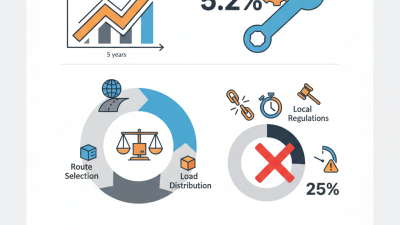
Sourcing heavy equipment parts globally requires careful consideration. Buyers should prioritize quality over price. Quality parts enhance machinery performance and longevity. Research suppliers thoroughly. Look for those with proven track records and positive reviews. It can be beneficial to seek recommendations from industry professionals.
Understanding local regulations is crucial. Each region has its own standards. Make sure the parts comply with these before purchasing. This reduces the risk of seizures or fines. Transparency in product specifications is essential, too. Ask the supplier about materials used and certifications. This ensures the parts meet necessary safety and operational standards.
Logistics can be tricky. International shipping may lead to delays. Inspect parts upon arrival to verify quality. Build strong relationships with suppliers. Communication helps address any issues that may arise. Reflect on past purchases to identify mistakes or challenges. This helps streamline future sourcing efforts.
Heavy Equipment Parts Sourcing: Key Considerations by Region
Understanding Different Types of Heavy Equipment Components
When selecting heavy equipment components, understanding the different types is crucial. There are several categories, including hydraulics, engines, and structural frames. Hydraulics play a vital role in operations, accounting for over 30% of a machine's function. In fact, a report from the Association of Equipment Manufacturers highlights that inefficient hydraulic systems can lead to 20% higher fuel consumption.
Engines are another essential component. They give life to the machinery. Approximately 40% of maintenance costs arise from engine issues. Regular checks can prevent costly repairs. Industry studies show that preventative maintenance can extend engine life by 25%, showcasing its importance.
Structural frames support the entire equipment. The material quality significantly impacts durability. A weak frame can compromise safety, leading to accidents and downtime. According to a recent construction safety report, over 15% of equipment failures are due to frame issues. Buyers should prioritize strong materials and trusted suppliers. Understanding these components not only aids in making informed choices but also enhances overall productivity and safety in heavy machinery operations.
Assessing Quality Standards and Certifications in Heavy Equipment Parts
When sourcing heavy equipment parts globally, understanding quality standards is crucial. Various reports indicate that over 30% of equipment failures stem from subpar components. Buyers must assess certifications that ensure reliability and compatibility. ISO certifications are a good starting point, as over 70% of top manufacturers hold these accolades. This highlights their commitment to producing reliable parts.
Quality assurance processes can vary significantly between manufacturers. Some may use outdated testing methods, resulting in uneven quality. Reports show that parts without modern certifications have a 40% higher failure rate. It's essential to dig deeper into manufacturing practices and inspect any available performance data.
Buyers should also consider the sourcing of materials. Investigating where parts are made and the quality of raw materials used can provide insight into their longevity. Certified suppliers often utilize high-grade materials, but not all do. When assessing options, seek detailed information about manufacturing processes and past performance, ensuring that your investment stands the test of time.
Evaluating Suppliers: Key Factors for Global Buyers
Evaluating suppliers is crucial for global buyers of heavy equipment parts. Buyers need to analyze various factors to ensure they make informed decisions. One vital aspect is supplier experience. A supplier with a long track record may offer reliability. However, newer suppliers can sometimes provide innovative solutions. Buyers must weigh the pros and cons of experience versus innovation.
Certifications and standards are essential indicators of quality. Suppliers that adhere to industry standards often demonstrate a commitment to excellence. Yet, some new players may lack certifications but deliver exceptional products. It becomes necessary to assess the balance between compliance and actual performance.
Pricing is a significant consideration, but it should not be the only factor. Some suppliers might quote low prices but cut corners on quality. This can lead to higher costs in the long run. Buyers should be cautious. Requesting samples, references, and detailed specifications can help in making more balanced choices. Ultimately, thorough research can reveal vital insights about a supplier's reliability and capability.
Cost vs. Quality: Making Informed Purchasing Decisions in Heavy Equipment
When it comes to purchasing heavy equipment parts, balancing cost and quality is crucial. Buyers should understand the risks of choosing cheaper options. While lower prices can offer immediate savings, they might lead to more frequent replacements. This is especially important in the heavy equipment industry, where downtime can be costly.
Investing in higher-quality parts often means getting more reliable performance. These parts tend to last longer and perform better under stress. However, the initial investment may be higher, raising questions about budget constraints. Buyers need to research suppliers carefully. Not all suppliers who offer low prices compromise on quality, but it’s essential to review specifications and warranty terms.
Moreover, relying on personal experiences and user reviews can provide valuable insights. Each piece of equipment has unique requirements. Understanding the intended use and environment can guide better decisions. Mistakes can happen; purchasing the wrong part or opting for low quality can cascade into larger problems. It's critical to reflect on past purchases and learn from them to improve future decisions.
Heavy Equipment Parts Tips for Global Buyers Choosing Wisely
| Part Type |
Quality Rating (1-5) |
Average Cost (USD) |
Warranty Period (Years) |
Recommended For |
| Hydraulic Pump |
4 |
1200 |
2 |
Excavators |
| Track Shoes |
3 |
500 |
1 |
Dozers |
| Engine Oil Filter |
5 |
75 |
1 |
All Heavy Equipment |
| Transmission Assembly |
4 |
3000 |
3 |
Haulers |
| Final Drive |
5 |
1500 |
3 |
Excavators |