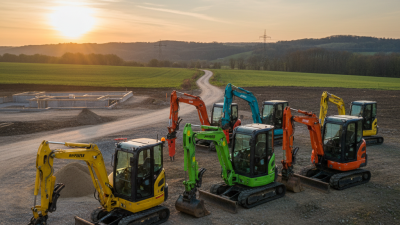
What Are the 2026 Best Mini Excavators?

Choosing the best mini excavators for 2026 requires more than comparing horsepower and purchase prices. A useful evaluation must connect specifications with real work. Operators notice the difference when digging wet clay, clearing roots, or grading beside a concrete wall. Hydraulic response, swing control, undercarriage stability, and service access can matter more than impressive brochure figures. These machines often work in tight residential spaces, where a few centimeters affect safety and productivity.

This guide examines leading models through practical criteria, including digging depth, operating weight, attachment compatibility, fuel use, noise, and operator comfort. It also considers manufacturer support, warranty clarity, parts availability, and feedback from experienced contractors. These details help separate dependable equipment from machines that only look competitive on paper. Real job conditions vary. A compact excavator that performs well on a landscaping project may feel underpowered on rocky utility work. That limitation deserves attention.

No single model suits every buyer.

The 2026 market may also change quickly as manufacturers improve electric systems, telematics, and emissions performance. Some claims still need longer field testing. Therefore, this overview combines published specifications with practical judgment, while recognizing that specifications can differ by configuration and region. Readers should verify current data with authorized dealers before purchasing. The strongest choice is not always the newest or most powerful machine. It is the excavator that matches the operator, attachments, terrain, transport limits, and expected workload with consistent reliability.
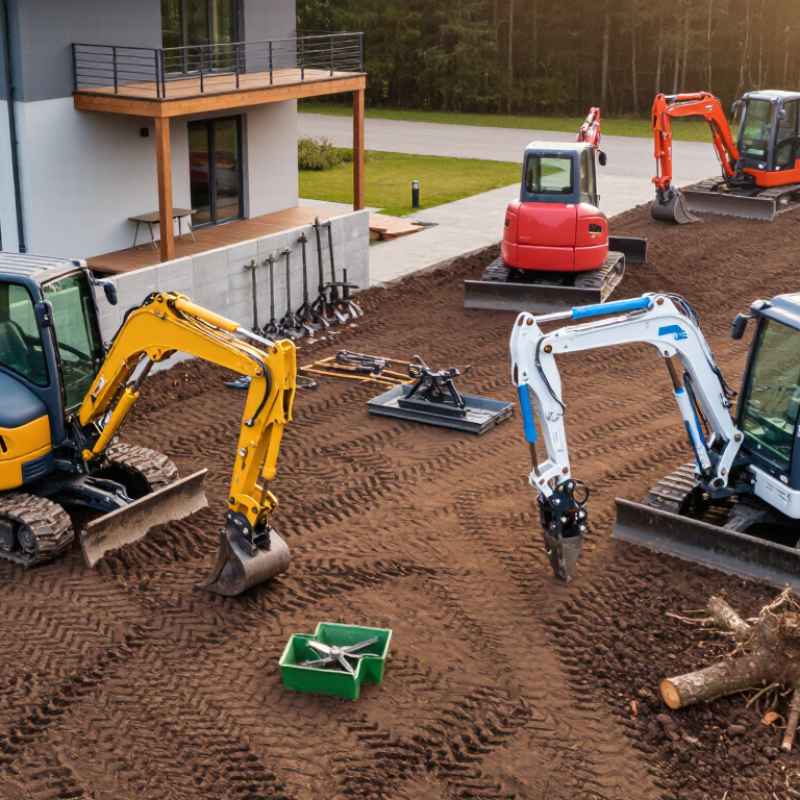
What Are the 2026 Best Mini Excavators?

What Defines a High-Quality Mini Excavator in 2026

A high-quality mini excavator in 2026 should feel predictable, not merely powerful. During site inspections, experienced operators often notice control smoothness before maximum digging force. Responsive hydraulics help prevent sudden movements around foundations, pipes, and landscaped areas. Stable tracks, a balanced counterweight, and clear visibility also matter on uneven ground.

Modern efficiency goes beyond fuel consumption. A well-designed machine reduces hydraulic losses, controls engine output, and limits unnecessary noise. Low-emission power systems are important, but service access remains equally practical. Daily checks should be simple, with visible filters, reachable grease points, and clear diagnostic information. Telematics can track operating hours and maintenance needs. Still, a digital display cannot replace a careful inspection. No machine is perfect.

Tips: Test the excavator with a real attachment before purchasing. Check bucket response, swing control, and lifting stability. Sit in the operator’s seat for ten minutes. Look for blind spots, uncomfortable controls, and weak climate protection. Ask how quickly common parts can be supplied. A low purchase price may become expensive when downtime grows. Also, measure the machine against your actual worksite, not an impressive brochure specification. Smaller dimensions may improve access, while insufficient lift capacity can create daily frustration. Safety functions should be easy to understand under pressure. Practical reliability often matters more than one extra feature.

Key Features and Specifications to Compare

What Are the 2026 Best Mini Excavators?

Key Features and Specifications to Compare

The best 2026 mini excavator depends on site limits, not headline horsepower. U.S. Census Bureau data placed annual construction spending above $2 trillion during 2024, keeping compact equipment highly relevant for urban work. Compare operating weight first. A 2.5-ton machine suits narrow gates, while a 6-ton model offers stronger lifting and deeper digging. Measure your access route, including mirrors and trailer ramps.

Digging depth matters, but hydraulic performance often decides productivity. Compare auxiliary flow in litres per minute, rated lift capacity, bucket breakout force, and swing speed. ISO 6015 provides a consistent method for measuring excavator lifting performance. Use comparable test conditions. Published figures can still mislead. I distrust lift numbers without boom position, counterweight, and ground-level details.

Tail-swing clearance is critical beside walls. Zero- or reduced-tail designs improve rotation safety, though they may sacrifice some lifting stability. Check ground pressure for lawns and finished surfaces. Also compare fuel use, hydraulic oil capacity, noise levels, service intervals, and control adjustability. The 2024 Rental Rate Blue Book separates ownership, operating, and utilization costs, reminding buyers that purchase price is only one financial measure. Tier 4 Final emissions compliance, documented through U.S. nonroad engine requirements, should be verified in the exact configuration. Don’t assume every attachment has matching flow.

Top Mini Excavator Categories for Different Applications

The best mini excavator depends on the application, not a universal ranking. Fortune Business Insights valued the global mini excavator market at about USD 8.6 billion in 2023. Its report forecasts continued growth through 2030, with demand linked to urban construction, landscaping, and utility work. These figures support a practical point: buyers need the right category, not simply the largest machine.

For landscaping and residential work, micro excavators below two tonnes offer easier transport and reduced ground damage. Zero-tail-swing models work well beside walls, fences, and narrow streets. Their compact radius can matter more than maximum digging depth. For drainage, road maintenance, and general construction, two- to five-ton machines provide a stronger balance between lifting capacity and maneuverability. I have found that hydraulic flow becomes critical when using augers, breakers, or compactors. Small machines can feel surprisingly capable.

Heavier six- to ten-ton models suit deeper trenching, foundation preparation, and demanding soil conditions. They provide greater breakout force, but transport costs and surface pressure increase. The Association of Equipment Manufacturers has repeatedly identified compact equipment as an important segment in North American construction sales, although yearly demand changes with housing and infrastructure spending. That variation deserves attention. A high-flow package may be unnecessary for occasional digging. Buyers should compare operating weight, tail swing, attachment compatibility, service access, and operator visibility. Specifications can look perfect on paper. Real ground conditions often disagree.

What Are the 2026 Best Mini Excavators? - Top Mini Excavator Categories for Different Applications

Mini Excavator Category Typical Operating Weight Typical Engine Output Typical Maximum Digging Depth Typical Tail-Swing Design Best Applications Main Selection Priorities
Micro Excavator Under 1.8 t 10–25 hp 1.8–2.5 m Zero or minimal tail swing Backyard work, narrow gates, landscaping, small utility repairs, residential drainage Overall width, transport weight, hydraulic smoothness, low ground disturbance
Compact 1.8–3.5 t Excavator 1.8–3.5 t 20–45 hp 2.4–3.6 m Reduced or zero tail swing General landscaping, trenching, septic installation, light construction Digging depth, lift capacity, attachment flow, operator visibility
General-Purpose 3.5–6 t Excavator 3.5–6.0 t 35–65 hp 3.2–4.1 m Conventional or reduced tail swing Roadside maintenance, commercial site preparation, utility work, earthmoving Hydraulic cycle speed, breakout force, stability, bucket range, service access
Zero-Tail-Swing Excavator 1.5–6.0 t 15–65 hp 2.2–4.1 m Counterweight stays within track width Urban construction, road shoulders, work beside walls, confined sites Side stability, swing clearance, counterweight protection, travel width
Long-Reach Excavator 3.0–6.0 t 30–65 hp 4.5–6.5 m Usually conventional tail swing Slope shaping, pond maintenance, ditch cleaning, bank work, vegetation removal Reach, arm strength, hydraulic stability, working-range visibility
Low-Ground-Pressure Excavator 2.0–6.0 t 20–65 hp 2.5–4.1 m Reduced or zero tail swing Wet ground, turf-sensitive areas, golf courses, parks, soft soil Ground pressure, track width, flotation, undercarriage durability
Electric Mini Excavator 1.5–3.5 t Equivalent to approximately 15–45 hp 2.2–3.6 m Usually zero or reduced tail swing Indoor demolition, noise-sensitive neighborhoods, utility corridors, night work Battery runtime, charging time, power supply, zero-emission requirements
Cabin-Focused Excavator 2.5–6.0 t 25–65 hp 2.8–4.1 m Reduced or conventional tail swing Long shifts, cold or hot climates, dusty sites, all-season construction ROPS/FOPS protection, climate control, seat comfort, noise and vibration levels

Note: Specifications are typical 2026 market ranges for each equipment category. Actual performance varies by configuration, counterweight, arm length, track type, attachments, operating conditions, and regional safety requirements.

How to Choose the Best Mini Excavator for Your Needs

What Are the 2026 Best Mini Excavators?

How to Choose the Best Mini Excavator for Your Needs

The best 2026 mini excavator is not automatically the smallest or most powerful model. Match the machine to your ground, access, and daily workload. A 1.5-ton excavator suits backyard drainage and narrow gates. A 5-ton machine handles deeper trenches, heavier buckets, and tougher soil. Measure your entrance first. A few centimeters can decide whether the project starts smoothly.

Check operating weight, tail swing, digging depth, lift capacity, hydraulic flow, and transport requirements. Zero- or reduced-tail-swing designs help beside walls, but they may sacrifice some lifting stability. Compare the rated lift chart, not only the brochure’s maximum figure. Ground pressure also matters on lawns and finished surfaces. Rubber tracks reduce damage, although they are not damage-proof.

Operator comfort deserves serious attention. The Associated General Contractors and Sage 2024 workforce survey found that 94% of construction firms struggled to fill open positions. Simple controls, clear visibility, low vibration, and quick attachment changes can reduce training pressure. Fuel use and service access affect ownership costs more than a low purchase price. Global Market Insights’ 2024 industry analysis projected steady mini-excavator market growth through the decade, reflecting demand for compact, versatile equipment. Still, market growth does not prove every machine fits your site. I would test the controls, inspect hose routing, and ask for real cycle-time data before buying. Specifications can look convincing. Dirt is less forgiving.

What Are the 2026 Best Mini Excavators? How to Choose the Best Mini Excavator for Your Needs

The best mini excavator depends on the required digging depth, transport limits, worksite access, and lifting capacity. This chart compares typical non-brand-specific specifications across common mini excavator weight classes.

Values are rounded typical market ranges synthesized from published specifications for current mini excavator categories. Choose the smallest class that meets your required digging depth and lifting performance to reduce transport, fuel, and operating costs.

Ownership Costs, Safety, and Maintenance Considerations

What Are the 2026 Best Mini Excavators?

Ownership Costs, Safety, and Maintenance Considerations

The best mini excavator is not always the cheapest machine at purchase. Ownership costs include fuel, transport, insurance, attachments, scheduled servicing, and unexpected repairs. A compact model may use less fuel, but frequent hydraulic work can change the calculation. Check the operating weight before hiring transport. A few extra kilograms can create expensive logistics problems.

Daily inspection takes only minutes. Look for hydraulic leaks, loose pins, damaged hoses, worn tracks, and low engine fluids. Clean the cooling area when dust builds up. Small leaks rarely improve by themselves. Follow the service schedule, even when the machine seems healthy. Keep accurate records of hours, parts, and repairs. These records help reveal rising costs before a major failure.

Safety depends on training, visibility, and disciplined habits. Use the approved protective structure and wear the required personal protective equipment. Keep bystanders outside the working radius. Test controls in an open area before digging. Never assume underground services are marked correctly; verify the site information first. On slopes, lower the attachment and avoid sudden turns. I have seen operators focus so closely on the bucket that they missed people behind the machine. That mistake is preventable. Still, even experienced operators become careless during repetitive work. Short breaks matter. Proper maintenance supports safety, but it cannot replace sound judgment.