Why Is Equipment Rental a Smart Choice for Businesses?
A machine sitting unused still consumes capital. It also needs storage, maintenance, insurance, and a plan for eventual replacement. For businesses facing uneven workloads, equipment rental can turn some of those fixed commitments into costs tied more closely to active projects. The choice is not automatic. A frequently used machine may be cheaper to own over time, while a specialized lift needed for one short job can be costly to keep idle.
Industry data shows how established rental has become. The American Rental Association (ARA) forecast U.S. equipment and event rental revenue of $78.7 billion for 2024, reflecting the scale of demand across construction, industrial, and other sectors. John McClelland, ARA’s chief economist, analyzes the market and its changing demand. A practical takeaway from his analysis can be put this way: “Rent for flexibility; preserve capital for core work.” This is a paraphrase, not a verbatim quotation. Still, it captures a useful question for decision-makers: does owning this asset support steady work, or tie up money between projects?
Picture a contractor with a compact excavator booked for three weeks, then parked through a slow month. Renting may provide the right machine, service support, and delivery when needed, without requiring long-term ownership. Yet rental fees, availability, transport, and operator training all matter. A rushed comparison can miss them. The smartest decision comes from matching utilization, total cost, and project timing—not from assuming rental always wins. Sometimes the spreadsheet is clear. Sometimes it is not.
What Equipment Rental Means for Businesses
For a business, equipment rental means paying for temporary access instead of buying and maintaining a machine. A rental agreement usually specifies the rate, rental period, delivery arrangements, and responsibility for damage or routine care. A contractor might rent a compact loader for a two-week site-preparation job, then return it rather than store it during slower months. This converts a large purchase into a project cost and can reduce storage and maintenance demands. Terms vary, though, so the agreement matters.
The American Rental Association’s 2024 U.S. equipment and event rental forecast put industry revenue at about $78.4 billion. That figure shows the scale of rental activity; it does not prove renting saves every business money. The practical question is how often a machine will be used. A frequently needed excavator may justify ownership, while a rarely used lift can tie up cash and yard space. Rental can also help teams match equipment to changing jobs, such as choosing a smaller machine for a narrow site. But delivery delays, availability, and extra fees can disrupt a plan. The comparison is easy to underestimate: include transport, insurance, operator time, and the cost of downtime.
How the Equipment Rental Process Works
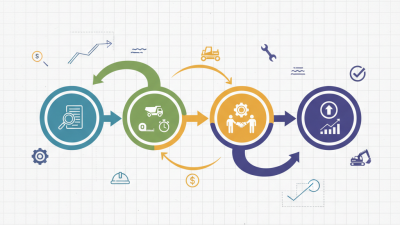
An equipment rental usually begins with a clear description of the job. Note the site conditions, required capacity, working height, and dates. A contractor repairing a warehouse roof, for example, may need a lift that fits through a narrow loading area. Share those details before requesting a quote. Small omissions can cause delays.
The rental provider checks availability and recommends equipment that matches the task. Ask what the quoted price includes, such as delivery, pickup, fuel, attachments, or operator instruction. Confirm the rental period, payment schedule, damage reporting steps, and who to contact if a machine stops working. Read the agreement carefully. A low daily rate may not reflect the full cost if transport or extra days are charged separately.
Before accepting delivery, prepare a safe, accessible space for the equipment. Check the machine for visible damage, record any concerns, and make sure the controls and safety features are explained to the people who will use it. During the rental, follow the operating instructions and report faults promptly. If the job runs long, request an extension before the return date; availability may change. At pickup, remove tools and debris, note the condition, and keep the return confirmation. Renting can reduce storage needs, but it is not automatically the right choice for equipment used every day.
How Renting Supports Business Operations
Why Is Equipment Rental a Smart Choice for Businesses?
How Renting Supports Business Operations
Equipment rental helps businesses match tools to the work actually scheduled. A contractor may need a compact lift for one indoor project, then a larger machine for an outdoor job the following month. Renting avoids tying up cash in equipment that could sit unused between contracts. Some weeks, it sits idle. That matters for smaller teams managing payroll, materials, and changing project timelines.
Rental arrangements can also support continuity when a key machine needs repair or demand suddenly increases. A replacement unit may keep a crew working while the usual equipment is serviced. Before booking, managers should check delivery windows, operating requirements, and whether the machine suits the site’s access and ground conditions. A narrow entrance or soft soil can turn the wrong choice into a costly delay. Clear communication helps, though plans still change. The numbers are not always neat: frequent rentals may cost more over time than owning equipment used every day. Businesses can compare expected use, transport, maintenance, and storage costs before deciding. A quick inspection at delivery, including controls, tires, and visible damage, also helps teams start work with fewer surprises.
Why Is Equipment Rental a Smart Choice for Businesses? - How Renting Supports Business Operations
| Business need |
How renting can help |
Operational example |
Considerations |
| Managing upfront costs |
Avoids the full purchase price at the start and makes the cost easier to match to a project or operating period. |
A contractor rents a lift for a short installation project instead of purchasing one for occasional use. |
Compare rental charges, delivery fees, insurance, and other terms with the total cost of ownership. |
| Handling changing workloads |
Allows equipment quantities and types to be adjusted as demand changes, subject to availability and rental terms. |
A warehouse adds rented handling equipment during a seasonal increase in orders. |
Plan ahead for busy periods, since popular equipment may need to be reserved. |
| Accessing specialized equipment |
Provides access to equipment needed for a specific task without requiring a long-term purchase. |
A maintenance team rents a concrete saw for a scheduled repair rather than keeping one in regular inventory. |
Check suitability, operator requirements, safety instructions, and site conditions before use. |
| Reducing storage demands |
Can limit the amount of equipment a business needs to store between jobs. |
A small landscaping business rents a machine when a large project requires it, then returns it after the job. |
Confirm pickup and return arrangements, and account for any cleaning or return-condition requirements. |
| Keeping equipment serviceable |
Rental arrangements may include maintenance or repair support, depending on the provider and contract. |
A project team checks the rental agreement for procedures to follow if equipment needs attention during a job. |
Confirm who handles routine checks, breakdowns, replacement equipment, and related costs. |
| Evaluating equipment before buying |
A short-term rental can help a business assess whether a type or size of equipment fits its work before making a purchase decision. |
A facilities team rents a floor-cleaning machine to assess its suitability for the building and cleaning schedule. |
Use the trial period to evaluate performance, training needs, operating costs, and purchase alternatives. |
Rental terms, availability, included services, and total costs vary by equipment and agreement.
The Financial and Operational Benefits of Renting
Why Is Equipment Rental a Smart Choice for Businesses?
The Financial and Operational Benefits of Renting
For many businesses, renting equipment replaces a large upfront purchase with predictable costs tied to actual projects. A small landscaping crew, for example, can rent a compact loader for a week instead of financing a machine used only occasionally. That may preserve cash for payroll, materials, or unexpected repairs. It also reduces the risk of owning equipment that loses value while sitting in a storage yard. Less idle stock.
Rental expenses are easier to compare when managers include delivery, setup, fuel, and any usage limits in the estimate. Short-term access can also help teams handle seasonal demand without expanding their permanent fleet. Newer or specialized equipment may be available when a project requires a tool the business rarely uses. But renting is not automatically cheaper. Frequent rentals, limited availability, or unfamiliar controls can slow a crew down. A site supervisor should confirm the machine suits the ground conditions, check its condition on arrival, and allow time for a safe handover. Sometimes ownership still makes sense. The useful choice depends on how often the equipment is needed, how quickly it must be available, and what support the rental agreement actually includes.
Why Is Equipment Rental a Smart Choice for Businesses?
Illustrative monthly cost comparison: renting can reduce costs when equipment is needed for a shorter period.
In this example, ownership costs assume a $60,000 purchase, $12,000 resale value after five years, and $4,800 in annual maintenance. The resulting estimated monthly ownership cost is $1,200; the example rental rate is $1,600 per month. These are illustrative assumptions, not market averages. Renting avoids the upfront purchase and may suit businesses that need equipment temporarily or want to preserve cash.
Factors to Consider Before Renting Equipment
Before renting, define the task, worksite, and schedule. A machine that looks suitable in a catalog may be too wide for a narrow gate or too heavy for soft ground. Measure access points, check the surface, and compare the equipment’s capacity with the actual load. Small details matter. It is easy to underestimate setup time, especially when several trades share one work area.
Compare the full rental cost, not just the daily rate. Ask about delivery, collection, fuel, cleaning, attachments, and charges for extra days. Confirm when the equipment will arrive and what happens if weather delays the job. Downtime gets expensive. Inspect the machine on delivery, noting visible damage, worn tires, missing guards, or warning lights. Clear photos and a written condition report can prevent confusion later.
Read the rental terms carefully, including cancellation, breakdown support, and responsibility for damage. Check that the people operating the equipment have suitable training, and ask the rental provider for operating instructions if anything is unclear. A quick walk-through can reveal controls that are unfamiliar. Be realistic about the schedule, too; a one-day rental may sound efficient, but an unexpected site delay can make it costly.